
Vocabulário para IELTS Academic (Pontuação 8-9) - História
Aqui, você aprenderá algumas palavras em inglês relacionadas à História que são necessárias para o exame acadêmico do IELTS.
Revisar
Flashcards
Ortografia
Quiz
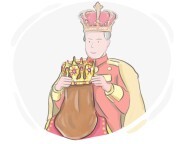
the formal ceremony or event during which a monarch or sovereign is officially crowned and invested with regal authority
coroação
Em algumas culturas, uma coroação pode incluir a unção do monarca com óleos sagrados como um símbolo de aprovação divina.

(in medieval times) a young boy serving as an attendant to a knight, beginning training for knighthood
escudeiro,pajem
Os pajens aprendiam etiqueta e esgrima antes de se tornarem escudeiros.
a system of writing using symbols or pictures, originally used by the ancient Egyptians
hieróglifo,escrita hieroglífica
Especialistas do museu foram chamados para interpretar os hieróglifos no artefato recém-descoberto.
a large medieval Mediterranean vessel, typically with a single deck, propelled by sails and oars, armed at bow and stern, and manned by up to 1,000 men, used for war and trade
galé,navio a remos
A galé veneziana estava armada com canhões e pronta para a batalha.
something occurring at a time when it could not have existed or happened
anacronismo,erro cronológico
Essa lei foi citada séculos antes de ser escrita, um óbvio anacronismo.
a period in Western Europe (1871-1914) marked by peace, optimism, and cultural growth
A Belle Époque foi um período de florescimento cultural e otimismo na Europa, caracterizado pela prosperidade económica, inovação tecnológica e inovação artística.
O início da Primeira Guerra Mundial em 1914 pôs fim à Belle Époque, à medida que o otimismo e a prosperidade da época deram lugar à devastação e à agitação da Grande Guerra.
an extinct hominid species closely related to modern humans, characterized by a robust build and distinctive facial features, that lived in Europe and parts of Asia until approximately 40,000 years ago
Neandertal,Homem de Neandertal
Os neandertais viveram há aproximadamente 40.000 anos e foram extintos durante a época do Pleistoceno.
the branch of science that studies fossils
paleontologia
Através da paleontologia, os pesquisadores obtiveram insights sobre os eventos de extinção em massa que moldaram a história da vida em nosso planeta.
the defining spirit or mood of a particular period in history, reflecting the ideas and beliefs of the time
espírito da época,clima da época
A Revolução Industrial trouxe um zeitgeist de urbanização e industrialização, enquanto as populações rurais migravam para as cidades em busca de trabalho e as novas tecnologias transformavam a sociedade e a economia.
the lineage or ancestry of a person, tracing their familial relationships and connections through multiple generations
genealogia
O gráfico genealógico exibia a linhagem da nossa família remontando a vários séculos.

to record a series of historical events in a detailed way by a chronological order
croniquear,registrar
O cineasta documentarista crónica a evolução da música jazz na América.
an object or part of an object surviving from the past, typically with historical or emotional value, often linked to a person, event, or era
relíquia,vestígio
A luva de beisebol gasta, uma relíquia da minha juventude, traz de volta memórias de jogos de verão com meus amigos.
the historical period before the Middle Ages, especially before the sixth century when Greeks and Romans were the most prosperous
a Antiguidade,o período antigo
O declínio do Império Romano marcou o fim da Antiguidade e o início da Idade Média, quando a Europa entrou em um período de fragmentação política e mudança cultural.

a lineage of kings who rule a country or nation over a long period of time
dinastia
O negócio era administrado como uma dinastia moderna, passada por três gerações da família.
a medieval military expedition by European Christians to reclaim or defend Christian territories in the Holy Land
cruzada
A Quarta Cruzada, em 1202-1204, resultou no saque de Constantinopla, em vez de chegar à Terra Santa.
the process by which colonies or territories gain independence from colonial rule
descolonização,processo de descolonização
As nações latino-americanas alcançaram a descolonização através de uma série de movimentos de independência no século XIX.
| Vocabulário para IELTS Academic (Pontuação 8-9) | |||
|---|---|---|---|
| Computador | História | Religion | Cultura e Costume |
| Idioma | Artes | Música | Cinema e Teatro |
| Literatura | Arquitetura | Marketing | Finanças |
| Gestão | Medicina | Doença e Sintomas | Lei |
| Crime | Punição | Governo | Política |
