
Vocabolario per IELTS Academic (Punteggio 8-9) - Malattia e Sintomi
Qui, imparerai alcune parole inglesi relative alla malattia e ai sintomi che sono necessarie per l'esame accademico IELTS.
Revisione
Flashcard
Ortografia
Quiz


a heart beat that is very irregular or too fast

palpitazioni
Teneva un diario per monitorare le sue palpitazioni, annotando eventuali fattori scatenanti o modelli che potessero aiutare a identificare la causa.
a very common skin condition that causes one's skin to become dry, red, itchy, and bumpy
eczema
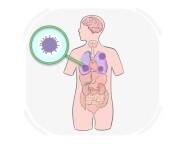
the infection and inflammation of air sacs in one's lungs, usually caused by a bacterial infection that makes breathing difficult
polmonite
La vaccinazione contro agenti patogeni comuni, come Streptococcus pneumoniae e il virus dell'influenza, può aiutare a prevenire la polmonite e ridurne la gravità se contratta.
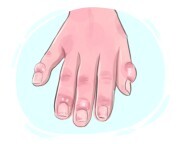
a serious injury resulting from excessive exposure to severely cold weather or things, causing the freezing of the nose, toes, fingers, etc.
congelamento
Il medico ha spiegato come riconoscere i segni del congelamento per evitare gravi infortuni.
a medical condition during which mucus accumulates in one's nose, throat, or sinuses and blocks them
catarro
Durante i mesi invernali, molte persone soffrono di catarro a causa della maggiore prevalenza di infezioni respiratorie.
a feeling of being physically ill and irritated without knowing the reason
malessere
Dopo essersi ripreso dall'influenza, ha sperimentato un malessere persistente, rendendo difficile il ritorno alla sua routine normale.
any disease or virus that can be easily passed from one person to another
contagio
Nonostante i loro sforzi, il contagio si è diffuso rapidamente, portando a un significativo aumento dei ricoveri ospedalieri.
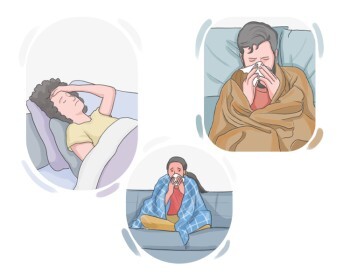
any physical problem that might put one's health in danger
malattia
Il villaggio medievale era afflitto da una malattia che si diffuse rapidamente, causando malattia diffusa e morte.
a condition where an excess amount of blood or other fluid accumulates in a part of the body, leading to swelling or discomfort
congestione
Durante la stagione delle allergie, molte persone soffrono di congestione a causa dell'aumento del polline nell'aria.
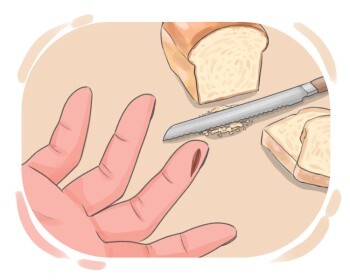
an injury or wound to living tissue, often involving a cut, break, or trauma to the skin
lesione, ferita
I graffi della caduta hanno prodotto diverse lesioni minori.
an open sore on the skin or inside the body that heals slowly and may bleed or produce pus
ulcera
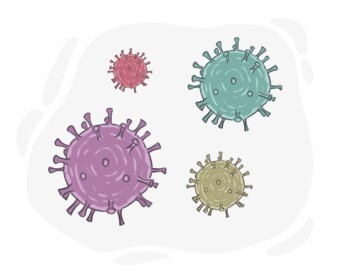
any organism that can cause diseases
patogeno
Il patogeno responsabile della malaria viene trasmesso all'uomo attraverso la puntura di una zanzara infetta.
a mild state of being unwell, often leading to a temporary inability to perform one's usual activities
indisposizione, malessere
L'atleta ha deciso di ritirarsi dalla competizione a causa di un'indisposizione inaspettata che ha influenzato la sua performance.
a short period during which someone is suffering from an illness
attacco
Un improvviso attacco di vertigini le ha fatto sentire capogiro e disorientata, spingendola a sedersi e riposare.
the first person known to have a certain disease, often seen as the starting point of an outbreak
paziente zero
Identificando il paziente zero precocemente, le autorità possono implementare misure di contenimento efficaci per controllare la diffusione della malattia.
| Vocabolario per IELTS Academic (Punteggio 8-9) | |||
|---|---|---|---|
| Computer | Storia | Religion | Cultura e Costume |
| Lingua | Arti | Musica | Cinema e Teatro |
| Letteratura | Architettura | Marketing | Finanza |
| Gestione | Medicina | Malattia e Sintomi | Legge |
| Crimine | Punizione | Governo | Politica |
