
Словарный запас для IELTS Academic (Оценка 8-9) - Болезнь и Симптомы
Здесь вы выучите некоторые английские слова, связанные с болезнью и симптомами, которые необходимы для академического экзамена IELTS.
Обзор
Флэш-карточки
Правописание
Тест


a heart beat that is very irregular or too fast

сердцебиение
У нее внезапно началось сердцебиение, когда она поднималась по лестнице, из-за чего ей пришлось остановиться, чтобы перевести дыхание.
a very common skin condition that causes one's skin to become dry, red, itchy, and bumpy
экзема
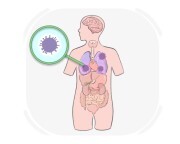
the infection and inflammation of air sacs in one's lungs, usually caused by a bacterial infection that makes breathing difficult
пневмония
После выздоровления от пневмонии он последовал совету своего врача, чтобы много отдыхать и поддерживать водный баланс.
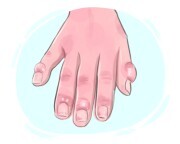
a serious injury resulting from excessive exposure to severely cold weather or things, causing the freezing of the nose, toes, fingers, etc.
обморожение
У нее появилось обморожение на пальцах после слишком долгого пребывания на морозе.
a medical condition during which mucus accumulates in one's nose, throat, or sinuses and blocks them
насморк
Она страдала от постоянного катара, испытывая постоянный насморк и раздражение в горле.
a feeling of being physically ill and irritated without knowing the reason
недомогание
Смутное недомогание Клэр, чувство дискомфорта и беспокойства, побудило ее несколько раз обратиться к специалистам.
any disease or virus that can be easily passed from one person to another
заразная болезнь, Инфекционные заболевания
Министерство здравоохранения предприняло быстрые действия, чтобы сдержать заражение и предотвратить дальнейшее распространение вспышки.
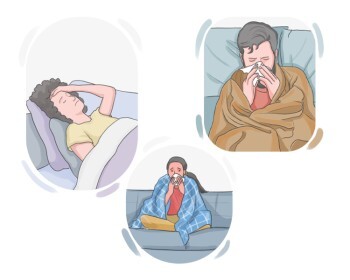
any physical problem that might put one's health in danger
болезнь
Врачи не смогли определить основную болезнь, которая вызвала его усталость и слабость.
a condition where an excess amount of blood or other fluid accumulates in a part of the body, leading to swelling or discomfort
застой, отек
Носовая заложенность затрудняла ему комфортное дыхание, особенно ночью.
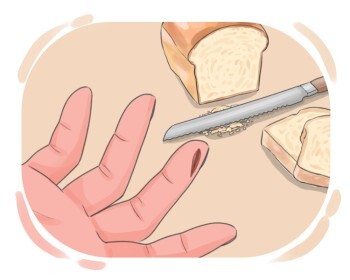
an injury or wound to living tissue, often involving a cut, break, or trauma to the skin
поражение, травма
У пациента было небольшое повреждение на предплечье.
a lesion or sore on the skin that might bleed or even produce a poisonous substance
язва
Врач диагностировал у нее пептическую язву, которая вызывала сильную боль в животе и дискомфорт.
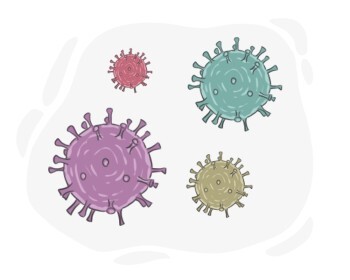
any organism that can cause diseases
патоген
Лабораторные тесты подтвердили наличие бактериального патогена, ответственного за тяжелое пищевое отравление пациента.
a mild state of being unwell, often leading to a temporary inability to perform one's usual activities
недомогание, нездоровье
Несмотря на свое недомогание, сотрудник постарался присутствовать на важном деловом совещании.
a short period during which someone is suffering from an illness
приступ
После тяжелого приступа гриппа ему потребовалась неделя отдыха, чтобы полностью восстановить силы и энергию.
the first person known to have a certain disease, often seen as the starting point of an outbreak
нулевой больной
Определение нулевого пациента имеет решающее значение для понимания того, как началась вспышка.
| Словарный запас для IELTS Academic (Оценка 8-9) | |||
|---|---|---|---|
| Компьютер | История | Religion | Культура и Обычай |
| Язык | Искусство | Музыка | Кино и Театр |
| Литература | Архитектура | Маркетинг | Финансы |
| Управление | Медицина | Болезнь и Симптомы | Закон |
| Преступление | Наказание | Правительство | Политика |
