
Umanistiche SAT - Emozioni Negative
Qui imparerai alcune parole inglesi relative alle emozioni negative, come "abhorrence", "poignant", "exasperate", ecc., di cui avrai bisogno per superare i tuoi SAT.
Revisione
Flashcard
forme
Ortografia
Quiz


the uncomfortable feeling of being ashamed, awkward, or self-conscious

imbarazzo

a state of severe mental or physical suffering
afflizione
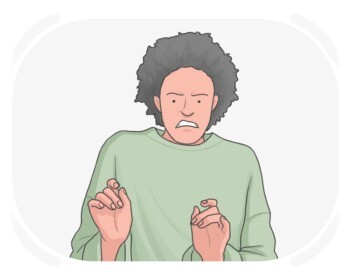
a feeling of extreme hatred or aversion toward something or someone
orrore
L'abominio della comunità per la corruzione li ha portati a chiedere una supervisione e una responsabilità più severe ai loro leader.
a state of extreme anxiety
agitazione
L'improvviso cambiamento di politica ha creato una diffusa agitazione all'interno dell'organizzazione.
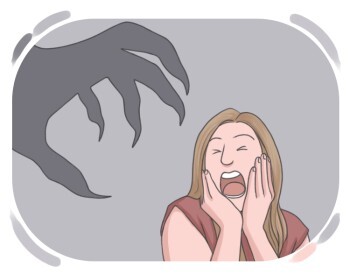
an intensely unpleasant emotion in response to danger or threat
terrore
Il silenzio inquietante della casa abbandonata suscitò un profondo terrore nei bambini.
a state of low spirits, sadness, or melancholy
abbattimento, sconforto
Fallire l'esame per la seconda volta ha aumentato il suo sconforto e la sua insicurezza.
the feeling or state of having lost all hope
disperazione
a feeling of doubt or uneasiness, often related to one's conscience or sense of right and wrong
scrupolo, esitazione
Il giudice ha espresso scrupoli riguardo all'equità del processo, data la mancanza di prove.
the sadness and worry provoked by an unpleasant surprise
costernazione
La chiusura improvvisa dell'azienda ha causato un diffuso sgomento tra i dipendenti.
a state of wild, uncontrolled excitement or agitation
frenesia, eccitazione
L'annuncio del saldo ha causato un frenesia tra gli acquirenti, che si sono precipitati nel negozio per accaparrarsi le migliori offerte.
great excitement, anger, or fear that makes someone unable to control their emotions, and as a result, they start laughing, crying, etc.
isteria
Era sull'orlo dell'isteria dopo aver sentito la notizia scioccante.

an intense sense of rage
ira, furore
I manifestanti hanno affrontato l'ira delle autorità, che hanno risposto con forza brutale e violenza.
a sudden feeling of fear
spavento
L'annuncio inaspettato ha causato un spavento pubblico.

a feeling of irritation or discomfort caused by something that is bothersome, unpleasant, or disruptive
seccatura, fastidio
I frequenti guasti del software erano un fastidio per gli utenti.
the feeling of hatred or disgust toward someone or something
repulsione
Parlò con ripugnanza del trattamento disumano degli animali.
a feeling of worry or shock after an unexpected, unpleasant event
costernazione
I risultati inaspettati del test hanno lasciato gli studenti nella costernazione.
a strong, persistent desire for someone or something, often accompanied by a sense of sadness
nostalgia, desiderio ardente
Anche dopo tutti questi anni, il suo desiderio per lei rimaneva forte come sempre.
hostile, threatening, or angry behavior that may involve violence
aggressione
an unexpected and quick feeling of a particular emotion, often a negative one
fitta, rimorso
Vedere la coppia felice le ha dato una fitta di tristezza mentre ricordava la sua relazione passata.
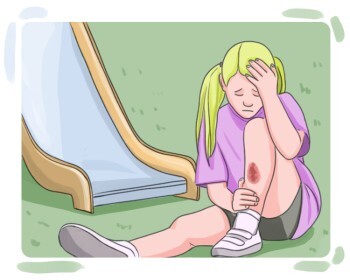
a state of extreme physical pain or mental distress
angoscia, dolore
Affrontando una crisi personale, ha cercato una terapia per aiutarla a navigare nell'opprimente angoscia e nel dolore emotivo.
causing intense fear, shock, or disgust
orribile, raccapricciante
Un orribile urlo squarciò il silenzio, facendo rabbrividire tutti.

inspiring a sense of fear or unease
raccapricciante, inquietante
L'ululato inquietante di un lupo lontano aggiungeva all'atmosfera turbante del bosco stregato.

causing feelings of unease, discomfort, or anxiety
inquietante, scomodo
La notizia inquietante dei licenziamenti imminenti si è diffusa rapidamente in ufficio.
causing one to feel serious or thoughtful, often by showing the seriousness of a situation
grave, che fa riflettere
La verità sobria sui rischi del fumo lo ha spinto a smettere per sempre.
causing strong emotions, especially sadness or empathy
struggente
Il film è finito con una scena commovente che ha lasciato il pubblico in lacrime.
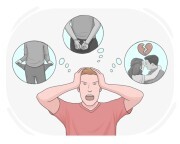
greatly frightened and worried about something, in a way that is uncontrollable
furibondo
Il suo andirivieni frenetico mostrava la sua ansia prima del grande colloquio di lavoro.

(of a person or their manner) melancholic and full of grief
abbattuto, malinconico
Camminava con gli occhi abbassati, persa nei suoi pensieri di dolore.
causing feelings of anxiety, fear, or a loss of confidence
inquietante, sconcertante
La sensazione inquietante di essere osservata persistette a lungo dopo che lei aveva lasciato la stanza.
filled with intense anger or fury
furioso, indignato
Il suo atteggiamento furioso ha reso chiaro che non avrebbe tollerato altre scuse.
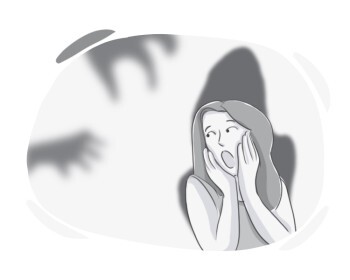
frozen in place, often due to shock or fear
pietrificato, congelato
In presenza delle onde giganti, i bagnanti sono rimasti pietrificati e senza parole.
expressing longing or yearning tinged with sadness or melancholy, often for something unattainable or lost
nostalgico, malinconico
Ascoltando il suono dei bambini che giocavano fuori, non poteva scrollarsi di dosso il sentimento malinconico di rimpiangere la propria infanzia.
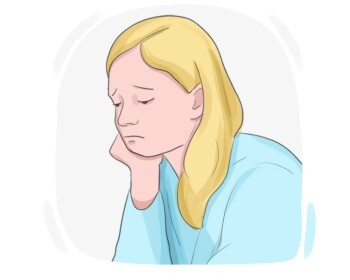
experiencing or creating a sense of sadness or hopelessness in a situation or atmosphere
cupo, lugubre
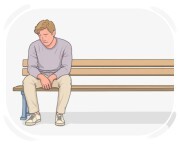
feeling very lonely and sad
desolato
showing sadness, typically in a mild manner
lamentoso
La sua voce era lamentosa mentre raccontava i suoi ricordi.

feeling so shocked or surprised that one is incapable of acting in a normal way
stordire
Era sbalordita dalla bellezza del tramonto sull'oceano.
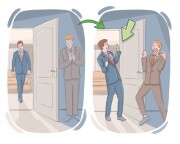
feeling suddenly surprised or shocked
spaventato, sorpreso
Il cervo spaventato si bloccò per un momento prima di correre nel bosco.
feeling uneasy or nervous
inquieto
Il clima caldo e umido ha reso tutti irrequieti e a disagio.
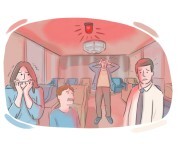
feeling worried or concerned due to a sudden, unexpected event or potential danger
allarmato
È diventato allarmato quando ha ricevuto uno strano messaggio sul suo telefono.
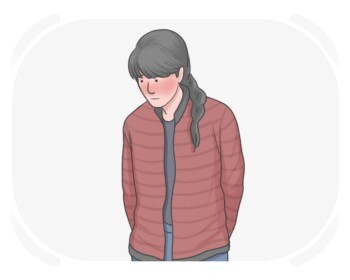
embarrassed or worried about one's appearance or actions
imbarazzato, timido
L'attrice era sorprendentemente autocosciente riguardo alla sua performance, nonostante ricevesse recensioni entusiastiche dalla critica.

nervous or worried that something unpleasant may happen
apprensivo

feeling upset or annoyed due to being unable to do or achieve something
frustrato
Sono diventati sempre più frustrati con i ripetuti ritardi.
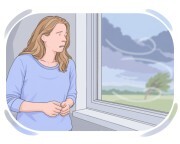
feeling nervous or worried, especially about something unpleasant that might happen soon
inquieto

feeling unhappy or resentful because someone has something one wants
invidioso
Si sentì invidioso guardando il suo vicino allontanarsi in una macchina sportiva nuova di zecca.

feeling or showing a loss of hope accompanied by severe distress
disperato
unwilling to do something due to a lack of will, motivation, or consent
restio
L'azienda era riluttante a investire nel nuovo progetto senza un rapporto dettagliato.
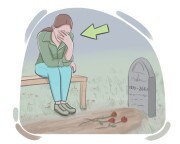
to feel deeply sad usually due to someone's death
piangere, essere in lutto
Amici e familiari si sono sostenuti a vicenda mentre piangevano la perdita improvvisa.
to feel intense sorrow, especially because someone has died
addolorarsi
Addolorato per la morte di un animale domestico, il bambino ha trovato conforto nei ricordi.
to verbally express deep sadness over a loss or unfortunate situation
lamentare, piangere
La comunità si è riunita per lamentare la scomparsa del loro amato leader, condividendo storie ed esprimendo il loro profondo dolore.
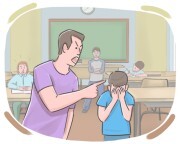
to cause someone to feel extremely embarrassed or ashamed, often by publicly exposing their weaknesses or shortcomings
umiliare
Le parole crudeli del bullo erano intese a umiliare la sua vittima di fronte ai suoi pari.
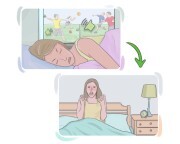
to make someone extremely angry
infuriare
Il suo atteggiamento condiscendente verso i suoi colleghi li ha infuriati.
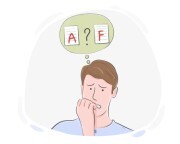
to make someone feel nervous or uncomfortable, often by surprising or overwhelming them
innervosire
La richiesta di presentazione dell'ultimo minuto ha sconvolto il dipendente, che ha dovuto affrettarsi a prepararsi.
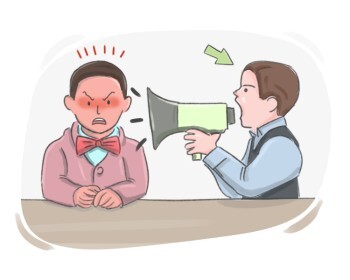
to deeply irritate someone, especially when they can do nothing about it or solve the problem
esasperare, irritare
Nel quartiere tranquillo, il rumore persistente del cantiere vicino esaspera i residenti, che trovano difficile riposare e rilassarsi adeguatamente.
to confuse someone, making it difficult for them to understand or think clearly
sconcertare, confondere
La tecnologia sconosciuta ha confuso la coppia anziana, lasciandoli incapaci di usare il loro nuovo dispositivo.
to cause someone to become extremely angry or shocked
indignare
Le sue azioni sui social media hanno indignato molte persone e hanno portato a un clamore pubblico.
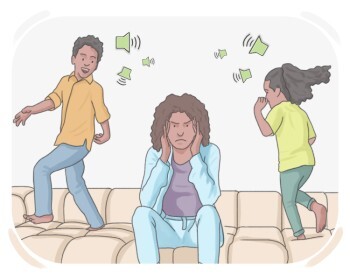
to annoy someone by intentionally or persistently bothering them with small, annoying actions or behaviors
infastidire, irritare
I suoi commenti sarcastici spesso mi irritano.
to annoy someone, often over small matters
irritare, infastidire
Il chiacchiericcio continuo la sta irritando.
to overwhelm or restrict someone so much that they feel suffocated or unable to act freely
soffocare, opprimere
Le chiacchiere e le aspettative della piccola città iniziarono a soffocare i suoi sogni di trasferirsi in una grande città.
to have a strong and continuous desire for something
bramare, anelare
L'artista brama di creare un'opera che risuoni con le persone.
to suddenly move back in response to something surprising, frightening, or unpleasant
ritrarsi, indietreggiare
Il rumore improvviso e forte ha fatto sì che tutti nella stanza indietreggiassero per la sorpresa.
