pattern

Cambridge IELTS 16 - Accademico - Test 2 - Lettura - Passaggio 1 (2)

Learn vocabulary from the second part of Cambridge IELTS 16 Academic, Test 2 Reading Passage 1, with useful words and expressions from the text.

Revisione

Flashcard

forme

Ortografia

Quiz
Inizia a imparare
Cambridge IELTS 16 - Academic
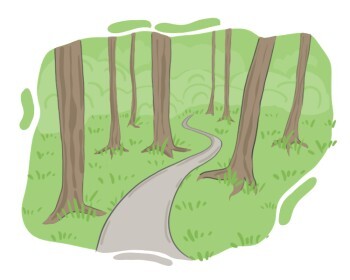
neolithic
neolithic
[aggettivo]

related to the latest part of the Stone Age when humans used stones as tools and weapons

neolitico, relativo al neolitico
neolitico, relativo al neolitico

Chiudi
Accedi
track
track
[sostantivo]

a road or path that is rough and usually made by animals or people repeatedly walking there

viottolo

viottolo

Ex: Hikers often follow tracks through forests and mountains, where the natural terrain has been shaped by wildlife or previous travelers. 
Chiudi
Accedi
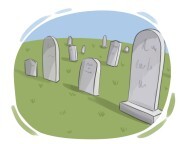
burial mound
burial mound
[sostantivo]

(archeology) a heap of earth placed over prehistoric tombs

tumulo, collina sepolcrale
tumulo, collina sepolcrale

Chiudi
Accedi
cemetery
cemetery
[sostantivo]

an area of land where dead people are buried, usually not next to a church

cimitero

cimitero

Ex: He chose a plot in the peaceful cemetery near the river. 

Ha scelto un appezzamento nel cimitero tranquillo vicino al fiume.
Chiudi
Accedi
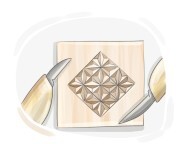
carving
carving
[sostantivo]

an object or pattern that is made by cutting solid material

scultura

scultura

Chiudi
Accedi
to appreciate

to fully understand or recognize the qualities, significance, or worth of something

apprezzare, riconoscere

apprezzare, riconoscere

Ex: Living abroad allowed her to appreciate the comforts of home she had taken for granted. 
Chiudi
Accedi
nevertheless
nevertheless
[avverbio]

used to introduce an opposing statement

comunque
comunque

Ex: The path was forbidden; they walked it nevertheless. 
Chiudi
Accedi
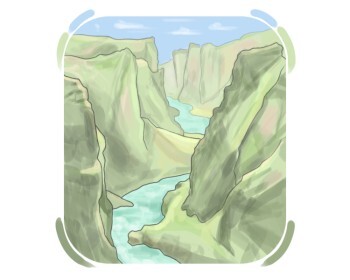
valley
valley
[sostantivo]

a low area of land between mountains or hills, often with a river flowing through it

valle

valle

Ex: They hiked through the valley to reach the lake. 
Chiudi
Accedi
adequate
adequate
[aggettivo]

about average; acceptable

adeguato, sufficiente

adeguato, sufficiente

Chiudi
Accedi
to gain
to gain
[Verbo]

to reach or arrive at a specific destination or place

raggiungere, arrivare a

raggiungere, arrivare a

Ex: He gained the summit of the hill just as the sun began to set. 
Chiudi
Accedi
close quarters
close quarters
[sostantivo]

a situation of being uncomfortably close to someone or something

stretta vicinanza, contatto ravvicinato

stretta vicinanza, contatto ravvicinato

Chiudi
Accedi
Common Era
Common Era
[avverbio]

used with a date to refer to things happened or existed after the birth of Christ

CE
CE

Ex: The American Declaration of Independence was adopted on July 4, 1776 CE. 
Chiudi
Accedi
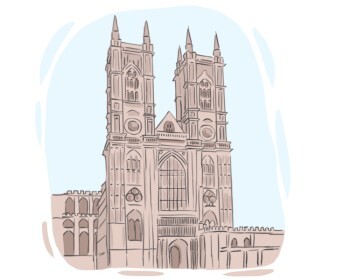
abbey
abbey
[sostantivo]

a group of buildings where a community of monks or nuns lives or formerly lived, typically including a church

abbazia

abbazia

Ex: The old abbey was badly damaged during the war. 
Chiudi
Accedi
depiction
depiction
[sostantivo]

a graphic or vivid verbal description

rappresentazione, descrizione

rappresentazione, descrizione

Chiudi
Accedi
optically
optically
[avverbio]

with regard to how people see things or use light, especially with lenses or visual processes

otticamente, in modo ottico

otticamente, in modo ottico

Ex: The camera captured the image optically, using lenses to focus light. 

La fotocamera ha catturato l'immagine otticamente, utilizzando lenti per focalizzare la luce.

Chiudi
Accedi
to stimulate

to cause a nerve, organ, cell, or other part of the body to become active or respond

stimolare

stimolare

Ex: Certain hormones stimulate cells to produce more protein. 
Chiudi
Accedi
luminescence
luminescence
[sostantivo]

(physics) the emission of light without the high temperatures that produce incandescence

luminescenza,  luminescenza fredda

luminescenza, luminescenza fredda

Ex: Chemical reactions caused the solution's bright luminescence. 
Chiudi
Accedi
archeological
archeological
[aggettivo]

related to the study or exploration of human history and prehistory through the excavation of artifacts and sites

archeologico

archeologico

Ex: The archeological expedition uncovered a buried tomb dating back to the Pharaonic era. 

La spedizione archeologica ha scoperto una tomba sepolta risalente all'era faraonica.

Chiudi
Accedi
unit
unit
[sostantivo]

an individual or group or structure or other entity regarded as a structural or functional constituent of a whole

unità, elemento
unità, elemento

Ex: The team operates as one unit despite having different roles. 
Chiudi
Accedi
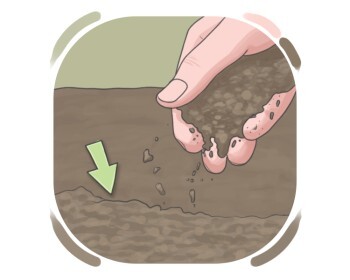
soil
soil
[sostantivo]

the black or brownish substance consisted of organic remains, rock particles, and clay that forms the upper layer of earth where trees or other plants grow

suolo
suolo

Ex: Farmers test the soil regularly to ensure it has the necessary nutrients for crops. 
Chiudi
Accedi
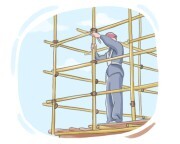
construction
construction
[sostantivo]

the process of building or creating something, such as structures, machines, or infrastructure

costruzione

costruzione

Ex: Road construction caused delays in traffic. 
Chiudi
Accedi
in other words
in other words
[avverbio]

used to provide an alternative or clearer way of expressing the same idea

in altre parole

in altre parole

Ex: The assignment requires creativity; in other words, you need to think outside the box. 

Il compito richiede creatività; in altre parole, devi pensare fuori dagli schemi.

Chiudi
Accedi
latter
latter
[aggettivo]

closest to the end of a particular period of time, event, etc.

ultimo

ultimo

Ex: During the latter stages of the project, the team encountered unexpected problems. 
Chiudi
Accedi
occupation
occupation
[sostantivo]

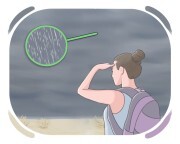
the state or period in which a country, city, etc. is taken control of by armed forces

occupazione
occupazione

Ex: The liberation movement aimed to end the occupation and restore sovereignty to the oppressed nation. 
Chiudi
Accedi
to indicate

to show, point out, or suggest the existence, presence, or nature of something

indicare

indicare

Ex: The experiment indicates a positive correlation between the variables. 
Chiudi
Accedi
tribal
tribal
[aggettivo]

associated with a social group of people who share common ancestry, language, and traditions, and often reside in a specific geographic area

tribale, di tribù

tribale, di tribù

Ex: The tribal elders gathered to discuss matters of governance and tradition within the community. 

Gli anziani tribali si sono riuniti per discutere questioni di governance e tradizione all'interno della comunità.

Chiudi
Accedi
emblem
emblem
[sostantivo]

a special design or sign that represents a nation, monarchy, etc.

emblema

emblema

Ex: The national flag featured an emblem at its center, signifying the country's heritage. 

La bandiera nazionale presentava un emblema al centro, a simboleggiare l'eredità del paese.

Chiudi
Accedi
inhabitant
inhabitant
[sostantivo]

a person or animal that lives in a particular place

abitante

abitante

Ex: The cave provides shelter for many small inhabitants. 
Chiudi
Accedi
alternatively
alternatively
[avverbio]

as a second choice or another possibility

alternativamente
alternativamente

Ex: If the weather is unfavorable for outdoor activities, you can alternatively explore indoor entertainment options. 
Chiudi
Accedi
ritual
ritual
[sostantivo]

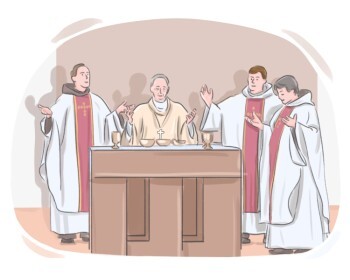
a religious or formal ceremony consisting of a prescribed series of actions

rituale

rituale

Ex: The archaeologists found evidence of burial rituals at the site. 
Chiudi
Accedi
Celtic
Celtic
[aggettivo]

relating to the Celts or their languages, traditions, and cultures

celtico,  celtica

celtico, celtica

Ex: The stone bears an ancient Celtic symbol. 
Chiudi
Accedi
to worship
to worship
[Verbo]

to show religious devotion and reverence to God, a god, or something considered sacred

adorare

adorare

Ex: The temple was built for people to worship the goddess. 
Chiudi
Accedi
fertility
fertility
[sostantivo]

the capacity of soil or land to support abundant plant growth

fertilità, fecondità

fertilità, fecondità

Ex: Agronomists tested the soil to assess its fertility. 
Chiudi
Accedi
cult
cult
[sostantivo]

a group of people with extreme religious views who are separate from any established religion

culto

culto

Ex: After leaving the cult, she sought counseling to recover from the psychological impact of her experience. 

Dopo aver lasciato il culto, ha cercato consulenza per riprendersi dall'impatto psicologico della sua esperienza.

Chiudi
Accedi
significance
significance
[sostantivo]

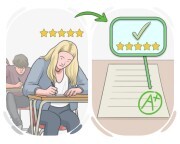
the state of being important or worthy of attention

significato
significato

Ex: She failed to understand the true significance of the warning. 
Chiudi
Accedi
to attest
to attest
[Verbo]

to establish the truth of something by providing evidence or testimony

attestare, certificare

attestare, certificare

Ex: The manager attested to the employee's punctuality. 

Il manager ha attestato la puntualità del dipendente.

Chiudi
Accedi
native
native
[aggettivo]

connected with the place where a person was born or grew up

nativo

nativo

Ex: He eventually returned to his native region to start a business. 
Chiudi
Accedi
mythology
mythology
[sostantivo]

a collection of ancient myths, particularly one that belongs to a group of people and their history, etc.

mitologia

mitologia

Ex: Many cultures around the world have their own mythology, which reflects their history, values, and worldview. 

Molte culture in tutto il mondo hanno la propria mitologia, che riflette la loro storia, valori e visione del mondo.

Chiudi
Accedi
gesture
gesture
[sostantivo]

an action done to express an intention, feeling, or goodwill without necessarily using words

gesto, atto
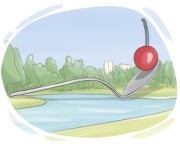
gesto, atto

Ex: Painting the fence was a helpful gesture toward the neighbors. 
Chiudi
Accedi
giant
giant
[aggettivo]

extremely large in size

gigante

gigante

Ex: In the distance, they spotted a giant skyscraper, the tallest building in the city. 
Chiudi
Accedi
fascinating
fascinating
[aggettivo]

extremely interesting or captivating

affascinante

affascinante

Ex: The magician's tricks are fascinating to watch, leaving audiences spellbound. 

I trucchi del mago sono affascinanti da guardare, lasciando il pubblico incantato.

Chiudi
Accedi
glimpse
glimpse
[sostantivo]

a brief or partial view of someone or something

visione fugace,  sguardo
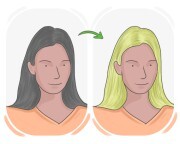
visione fugace, sguardo

Ex: She caught a glimpse of herself in the mirror. 
Chiudi
Accedi
to alter
to alter
[Verbo]

to cause something to change

modificare

modificare

Ex: The architect altered the design after receiving feedback from the client. 
Chiudi
Accedi
hillfort
hillfort
[sostantivo]

an ancient military building built on a hill, usually surrounded by earth walls or ditches, used for protection and as a place to live

fortezza collinare, oppidum

fortezza collinare, oppidum

Ex: Tourists visit the hillfort to learn about ancient life. 

I turisti visitano il forte collinare per conoscere la vita antica.

Chiudi
Accedi
to tie
to tie
[Verbo]

to connect or link two things together, showing a relationship or connection between them

legare, collegare

legare, collegare

Ex: They tied their brand to quality and trust. 
Chiudi
Accedi
LanGeek
Scarica l'app LanGeek