pattern

Cambridge IELTS 16 - Academic - Test 2 - Čtení - Pasáž 1 (2)

Učte se slovní zásobu z druhé části Cambridge IELTS 16 Academic, Test 2 Reading Passage 1, s užitečnými slovy a výrazy z textu.

Revize

Kartičky

tvary

Pravopis

Kvíz
Začněte se učit
Cambridge IELTS 16 - Academic
neolithic
neolithic
[Přídavné jméno]

related to the latest part of the Stone Age when humans used stones as tools and weapons

neolitický, vztahující se k mladší době kamenné

neolitický, vztahující se k mladší době kamenné

track
track
[Podstatné jméno]

a road or path that is rough and usually made by animals or people repeatedly walking there

stezka, cesta

stezka, cesta

Ex: He walked along the track until he reached the village. 
burial mound
burial mound
[Podstatné jméno]

(archeology) a heap of earth placed over prehistoric tombs

pohřební mohyla, hrobový pahorek

pohřební mohyla, hrobový pahorek

cemetery
cemetery
[Podstatné jméno]

an area of land where dead people are buried, usually not next to a church

hřbitov, pohřebiště

hřbitov, pohřebiště

Ex: He chose a plot in the peaceful cemetery near the river. 

Vybral si parcelu na klidném hřbitově u řeky.

carving
carving
[Podstatné jméno]

an object or pattern that is made by cutting solid material

řezba, socha

řezba, socha

to appreciate
to appreciate
[sloveso]

to fully understand or recognize the qualities, significance, or worth of something

ocenit, pochopit

ocenit, pochopit

Ex: She came to appreciate his sense of humor after spending more time with him. 
nevertheless
nevertheless
[Příslovce]

used to introduce an opposing statement

přesto, nicméně
přesto, nicméně

Ex: The path was forbidden; they walked it nevertheless. 
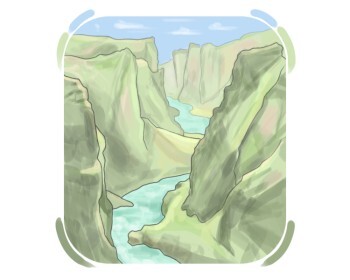
valley
valley
[Podstatné jméno]

a low area of land between mountains or hills, often with a river flowing through it

údolí, dolina

údolí, dolina

Ex: The sun set behind the hills, casting long shadows over the valley. 
adequate
adequate
[Přídavné jméno]

about average; acceptable

dostatečný, vhodný

dostatečný, vhodný

to gain
to gain
[sloveso]

to reach or arrive at a specific destination or place

dosáhnout, dostat se k

dosáhnout, dostat se k

Ex: After hours of hiking, they finally gained the mountain peak. 
close quarters
close quarters
[Podstatné jméno]

a situation of being uncomfortably close to someone or something

blízká vzdálenost, těsný kontakt

blízká vzdálenost, těsný kontakt

Common Era
Common Era
[Příslovce]

used with a date to refer to things happened or existed after the birth of Christ

našeho letopočtu, po Kristu
našeho letopočtu, po Kristu

Ex: The American Declaration of Independence was adopted on July 4, 1776 CE. 
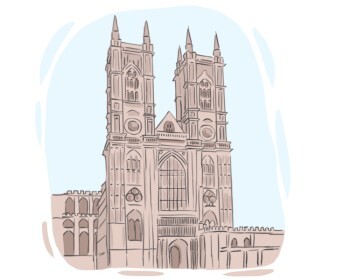
abbey
abbey
[Podstatné jméno]

a group of buildings where a community of monks or nuns lives or formerly lived, typically including a church

Ex: The old abbey was badly damaged during the war. 
depiction
depiction
[Podstatné jméno]

a graphic or vivid verbal description

zobrazení, popis

zobrazení, popis

optically
optically
[Příslovce]

with regard to how people see things or use light, especially with lenses or visual processes

opticky, z optického hlediska

opticky, z optického hlediska

Ex: The camera captured the image optically, using lenses to focus light. 

Fotoaparát zachytil obraz opticky, pomocí čoček zaostřil světlo.

to stimulate
to stimulate
[sloveso]

to cause a nerve, organ, cell, or other part of the body to become active or respond

stimulovat,  dráždit

stimulovat, dráždit

Ex: Certain hormones stimulate cells to produce more protein. 
luminescence
luminescence
[Podstatné jméno]

(physics) the emission of light without the high temperatures that produce incandescence

luminiscence,  studené světlo

luminiscence, studené světlo

Ex: Chemical reactions caused the solution's bright luminescence. 
archeological
archeological
[Přídavné jméno]

related to the study or exploration of human history and prehistory through the excavation of artifacts and sites

archeologický

archeologický

Ex: The archeological expedition uncovered a buried tomb dating back to the Pharaonic era. 

Archeologická expedice odhalila pohřbenou hrobku pocházející z faraonské éry.

unit
unit
[Podstatné jméno]

an individual or group or structure or other entity regarded as a structural or functional constituent of a whole

jednotka, prvek
jednotka, prvek

Ex: The team operates as one unit despite having different roles. 
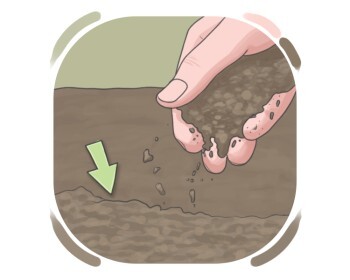
soil
soil
[Podstatné jméno]

the black or brownish substance consisted of organic remains, rock particles, and clay that forms the upper layer of earth where trees or other plants grow

půda, země

půda, země

Ex: The gardeners enriched the soil with compost to improve plant growth. 
construction
construction
[Podstatné jméno]

the process of building or creating something, such as structures, machines, or infrastructure

stavba

stavba

Ex: The construction of the new hospital is ahead of schedule. 
in other words
in other words
[Příslovce]

used to provide an alternative or clearer way of expressing the same idea

jinými slovy, řečeno jinak

jinými slovy, řečeno jinak

Ex: The assignment requires creativity; in other words, you need to think outside the box. 

Úkol vyžaduje kreativitu; jinými slovy, musíte myslet mimo zaběhané koleje.

latter
latter
[Přídavné jméno]

closest to the end of a particular period of time, event, etc.

poslední, pozdější

poslední, pozdější

Ex: During the latter stages of the project, the team encountered unexpected problems. 
occupation
occupation
[Podstatné jméno]

the state or period in which a country, city, etc. is taken control of by armed forces

okupace, převzetí kontroly

okupace, převzetí kontroly

Ex: The occupation of the city by enemy forces lasted for nearly a decade, during which the local population suffered greatly. 
to indicate
to indicate
[sloveso]

to show, point out, or suggest the existence, presence, or nature of something

ukazovat, naznačovat

ukazovat, naznačovat

Ex: The markings on the floor indicate where to stand. 
tribal
tribal
[Přídavné jméno]

associated with a social group of people who share common ancestry, language, and traditions, and often reside in a specific geographic area

kmenový, kmenový

kmenový, kmenový

Ex: The tribal elders gathered to discuss matters of governance and tradition within the community. 

Kmenoví stařešinové se sešli, aby prodiskutovali otázky správy a tradice v rámci komunity.

emblem
emblem
[Podstatné jméno]

a special design or sign that represents a nation, monarchy, etc.

emblema, symbol

emblema, symbol

Ex: The national flag featured an emblem at its center, signifying the country's heritage. 

Národní vlajka měla ve svém středu emblema, které symbolizovalo dědictví země.

inhabitant
inhabitant
[Podstatné jméno]

a person or animal that lives in a particular place

obyvatel

obyvatel

Ex: The cave provides shelter for many small inhabitants. 
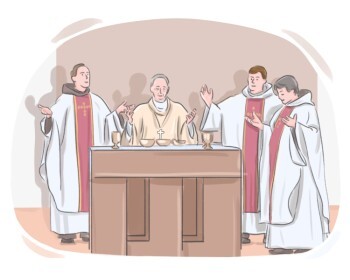
alternatively
alternatively
[Příslovce]

as a second choice or another possibility

alternativně, jako alternativa
alternativně, jako alternativa

Ex: If the weather is unfavorable for outdoor activities, you can alternatively explore indoor entertainment options. 
ritual
ritual
[Podstatné jméno]

a religious or formal ceremony consisting of a prescribed series of actions

rituál

rituál

Ex: The archaeologists found evidence of burial rituals at the site. 
Celtic
Celtic
[Přídavné jméno]

relating to the Celts or their languages, traditions, and cultures

keltský,  keltská

keltský, keltská

Ex: The stone bears an ancient Celtic symbol. 
to worship
to worship
[sloveso]

to show religious devotion and reverence to God, a god, or something considered sacred

uctívat,  klanět se

uctívat, klanět se

Ex: The temple was built for people to worship the goddess. 
fertility
fertility
[Podstatné jméno]

the capacity of soil or land to support abundant plant growth

úrodnost, plodnost

úrodnost, plodnost

Ex: Agronomists tested the soil to assess its fertility. 
cult
cult
[Podstatné jméno]

a group of people with extreme religious views who are separate from any established religion

sekta, kult

sekta, kult

Ex: After leaving the cult, she sought counseling to recover from the psychological impact of her experience. 
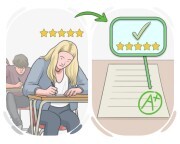
significance
significance
[Podstatné jméno]

the state of being important or worthy of attention

význam, důležitost
význam, důležitost

Ex: The significance of her research cannot be understated in the field of medicine. 
to attest
to attest
[sloveso]

to establish the truth of something by providing evidence or testimony

dosvědčit, potvrdit

dosvědčit, potvrdit

Ex: The manager attested to the employee's punctuality. 

Manažer potvrdil dochvilnost zaměstnance.

native
native
[Přídavné jméno]

connected with the place where a person was born or grew up

Ex: He eventually returned to his native region to start a business. 
mythology
mythology
[Podstatné jméno]

a collection of ancient myths, particularly one that belongs to a group of people and their history, etc.

mytologie

mytologie

Ex: Many cultures around the world have their own mythology, which reflects their history, values, and worldview. 

Mnoho kultur po celém světě má svou vlastní mytologii, která odráží jejich historii, hodnoty a pohled na svět.

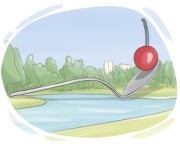
gesture
gesture
[Podstatné jméno]

an action done to express an intention, feeling, or goodwill without necessarily using words

gesto, čin
gesto, čin

Ex: Bringing flowers was a kind gesture. 
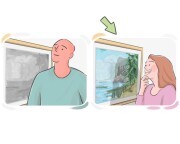
giant
giant
[Přídavné jméno]

extremely large in size

obrovský, gigantický
obrovský, gigantický

Ex: The giant corporation dominated the market, influencing the decisions of smaller businesses. 
fascinating
fascinating
[Přídavné jméno]

extremely interesting or captivating

fascinující, poutavý

fascinující, poutavý

Ex: The magician's tricks are fascinating to watch, leaving audiences spellbound. 

Kouzelnické triky jsou fascinující na pohled a nechávají publikum očarované.

glimpse
glimpse
[Podstatné jméno]

a brief or partial view of someone or something

letmý pohled,  záblesk

letmý pohled, záblesk

Ex: She caught a glimpse of herself in the mirror. 
to alter
to alter
[sloveso]

to cause something to change

změnit, upravit

změnit, upravit

Ex: New technologies can greatly alter the way we live and communicate. 
hillfort
hillfort
[Podstatné jméno]

an ancient military building built on a hill, usually surrounded by earth walls or ditches, used for protection and as a place to live

hradiště, opevněné sídliště na kopci

hradiště, opevněné sídliště na kopci

Ex: Tourists visit the hillfort to learn about ancient life. 

Turisté navštěvují hradiště, aby se dozvěděli o starověkém životě.

to tie
to tie
[sloveso]

to connect or link two things together, showing a relationship or connection between them

vázat, propojit

vázat, propojit

Ex: The article ties the new law to economic growth. 
LanGeek
Stáhnout aplikaci LanGeek
