pattern

Cambridge IELTS 16 - Académico - Prueba 2 - Lectura - Pasaje 1 (2)

Learn vocabulary from the second part of Cambridge IELTS 16 Academic, Test 2 Reading Passage 1, with useful words and expressions from the text.

Revisión

Tarjetas de memoria

formas

Ortografía

Cuestionario
Empezar a aprender
Cambridge IELTS 16 - Academic
neolithic
neolithic
[Adjetivo]

related to the latest part of the Stone Age when humans used stones as tools and weapons

neolítico, relacionado con el neolítico

neolítico, relacionado con el neolítico

track
track
[Sustantivo]

a road or path that is rough and usually made by animals or people repeatedly walking there

camino, sendero, ruto

camino, sendero, ruto

Ex: Explorers often rely on these worn tracks to navigate dense forests or remote wilderness areas, trusting in the wisdom of those who trod before them. 
burial mound
burial mound
[Sustantivo]

(archeology) a heap of earth placed over prehistoric tombs

túmulo, montículo funerario

túmulo, montículo funerario

cemetery
cemetery
[Sustantivo]

an area of land where dead people are buried, usually not next to a church

cementerio

cementerio

Ex: Families often walk through the cemetery on Memorial Day. 

Las familias suelen caminar por el cementerio en el Día de los Caídos.

carving
carving
[Sustantivo]

an object or pattern that is made by cutting solid material

talla, escultura

talla, escultura

to appreciate

to fully understand or recognize the qualities, significance, or worth of something

apreciar, valorar

apreciar, valorar

Ex: The professor encouraged students to appreciate the complexity of the subject matter. 
nevertheless
nevertheless
[Adverbio]

used to introduce an opposing statement

sin embargo
sin embargo

Ex: She doubted his motives; she trusted him nevertheless. 
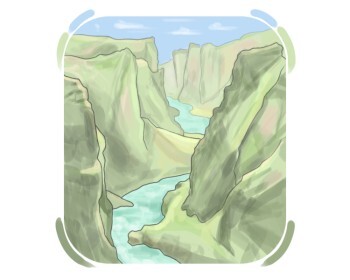
valley
valley
[Sustantivo]

a low area of land between mountains or hills, often with a river flowing through it

valle

valle

Ex: The valley was covered in a blanket of snow in the winter. 
adequate
adequate
[Adjetivo]

about average; acceptable

adecuado, suficiente

adecuado, suficiente

to gain
to gain
[Verbo]

to reach or arrive at a specific destination or place

alcanzar, llegar a

alcanzar, llegar a

Ex: The ship gained the port safely despite the stormy weather. 
close quarters
close quarters
[Sustantivo]

a situation of being uncomfortably close to someone or something

cercanía incómoda, contacto estrecho

cercanía incómoda, contacto estrecho

Common Era
Common Era
[Adverbio]

used with a date to refer to things happened or existed after the birth of Christ

EC
EC

Ex: The Magna Carta was signed in 1215 CE. 
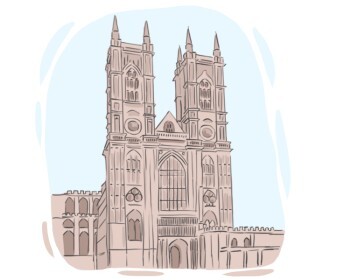
abbey
abbey
[Sustantivo]

a group of buildings where a community of monks or nuns lives or formerly lived, typically including a church

abadía

abadía

Ex: The abbey includes a church, living quarters, and a large garden. 
depiction
depiction
[Sustantivo]

a graphic or vivid verbal description

representación, descripción

representación, descripción

optically
optically
[Adverbio]

with regard to how people see things or use light, especially with lenses or visual processes

ópticamente, de manera óptica

ópticamente, de manera óptica

Ex: The lenses were crafted optically to reduce glare and improve clarity. 

Las lentes fueron elaboradas ópticamente para reducir el resplandor y mejorar la claridad.

to stimulate

to cause a nerve, organ, cell, or other part of the body to become active or respond

estimular,  excitar

estimular, excitar

Ex: The medication is designed to stimulate the ovaries. 
luminescence
luminescence
[Sustantivo]

(physics) the emission of light without the high temperatures that produce incandescence

luminiscencia,  luminiscencia fría

luminiscencia, luminiscencia fría

Ex: The jellyfish produced a soft blue luminescence. 
archeological
archeological
[Adjetivo]

related to the study or exploration of human history and prehistory through the excavation of artifacts and sites

arqueológico

arqueológico

Ex: The archeological dig revealed the remains of a Neolithic settlement beneath the modern town. 

La excavación arqueológica reveló los restos de un asentamiento neolítico debajo de la ciudad moderna.

unit
unit
[Sustantivo]

an individual or group or structure or other entity regarded as a structural or functional constituent of a whole

unidad, elemento
unidad, elemento

Ex: The factory is divided into several production units. 
soil
soil
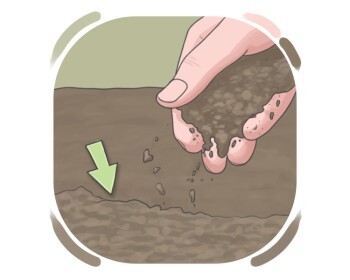
[Sustantivo]

the black or brownish substance consisted of organic remains, rock particles, and clay that forms the upper layer of earth where trees or other plants grow

tierra
tierra

Ex: Heavy rains can cause the soil to erode, affecting crop yields. 
construction
construction
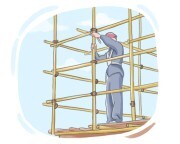
[Sustantivo]

the process of building or creating something, such as structures, machines, or infrastructure

construcción

construcción

Ex: Safety regulations are critical during construction projects. 
in other words
in other words
[Adverbio]

used to provide an alternative or clearer way of expressing the same idea

en otras palabras, dicho de otra manera

en otras palabras, dicho de otra manera

Ex: He's frugal with his money; in other words, he's careful about how he spends it. 

Él es frugal con su dinero; en otras palabras, tiene cuidado con cómo lo gasta.

latter
latter
[Adjetivo]

closest to the end of a particular period of time, event, etc.

último

último

Ex: The latter part of the meeting focused on addressing questions and concerns raised by attendees. 
occupation
occupation
[Sustantivo]

the state or period in which a country, city, etc. is taken control of by armed forces

ocupación
ocupación

Ex: The country's history is scarred by a prolonged occupation that disrupted its economic and social systems. 
to indicate

to show, point out, or suggest the existence, presence, or nature of something

indicar

indicar

Ex: The arrow on the map indicates the next turn. 
tribal
tribal
[Adjetivo]

associated with a social group of people who share common ancestry, language, and traditions, and often reside in a specific geographic area

tribal, de la tribu

tribal, de la tribu

Ex: The tribal language is passed down through generations as a symbol of cultural identity. 

El lenguaje tribal se transmite de generación en generación como un símbolo de identidad cultural.

emblem
emblem
[Sustantivo]

a special design or sign that represents a nation, monarchy, etc.

emblema, símbolo

emblema, símbolo

Ex: The city's emblem is used on official seals and documents to signify municipal authority. 

El emblema de la ciudad se utiliza en sellos y documentos oficiales para significar la autoridad municipal.

inhabitant
inhabitant
[Sustantivo]

a person or animal that lives in a particular place

habitante

habitante

Ex: Deer are common inhabitants of these forests. 
alternatively
alternatively
[Adverbio]

as a second choice or another possibility

alternativamente
alternativamente

Ex: The meeting can be scheduled for Monday, or alternatively, on Wednesday to accommodate everyone's availability. 
ritual
ritual
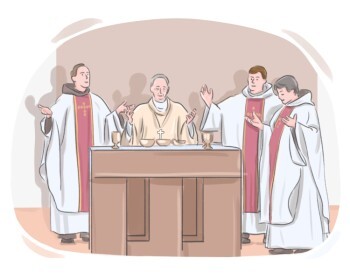
[Sustantivo]

a religious or formal ceremony consisting of a prescribed series of actions

ritual

ritual

Ex: Lighting candles forms part of the ritual. 
Celtic
Celtic
[Adjetivo]

relating to the Celts or their languages, traditions, and cultures

céltico,  celta

céltico, celta

Ex: The festival featured traditional Celtic music. 
to worship
to worship
[Verbo]

to show religious devotion and reverence to God, a god, or something considered sacred

adorar

adorar

Ex: The community worships a deity associated with the sea. 
fertility
fertility
[Sustantivo]

the capacity of soil or land to support abundant plant growth

fertilidad, fecundidad

fertilidad, fecundidad

Ex: Years of erosion had severely reduced the land's fertility. 
cult
cult
[Sustantivo]

a group of people with extreme religious views who are separate from any established religion

culto, secta

culto, secta

Ex: The documentary exposed the secretive practices of the cult. 
significance
significance
[Sustantivo]

the state of being important or worthy of attention

importancia, significado
importancia, significado

Ex: The significance of teamwork in achieving success cannot be ignored. 
to attest
to attest
[Verbo]

to establish the truth of something by providing evidence or testimony

atestiguar

atestiguar

Ex: The official seal on the document attests to its authenticity. 

El sello oficial en el documento atestigua su autenticidad.

native
native
[Adjetivo]

connected with the place where a person was born or grew up

nativo

nativo

Ex: The writer became famous far beyond his native Ireland. 
mythology
mythology
[Sustantivo]

a collection of ancient myths, particularly one that belongs to a group of people and their history, etc.

mitología

mitología

Ex: Many cultures around the world have their own mythology, explaining natural phenomena and the origins of their societies. 

Muchas culturas alrededor del mundo tienen su propia mitología, explicando fenómenos naturales y los orígenes de sus sociedades.

gesture
gesture
[Sustantivo]

an action done to express an intention, feeling, or goodwill without necessarily using words

gesto, señal
gesto, señal

Ex: Waving goodbye was a final gesture of friendship. 
giant
giant
[Adjetivo]

extremely large in size

gigante

gigante

Ex: She was amazed by the giant waves crashing against the shore during the storm. 
fascinating
fascinating
[Adjetivo]

extremely interesting or captivating

fascinante

fascinante

Ex: The intricate details of the artwork make it fascinating to study. 

Los intrincados detalles de la obra de arte la hacen fascinante de estudiar.

glimpse
glimpse
[Sustantivo]

a brief or partial view of someone or something

vistazo,  ojeada

vistazo, ojeada

Ex: I only had a glimpse of the document before she closed it. 
to alter
to alter
[Verbo]

to cause something to change

modificar

modificar

Ex: A good haircut can completely alter one's appearance. 
hillfort
hillfort
[Sustantivo]

an ancient military building built on a hill, usually surrounded by earth walls or ditches, used for protection and as a place to live

fuerte de colina, castro

fuerte de colina, castro

Ex: The hillfort gave a good view of the land below. 

El fuerte en la colina ofrecía una buena vista de la tierra debajo.

to tie
to tie
[Verbo]

to connect or link two things together, showing a relationship or connection between them

atar, vincular

atar, vincular

Ex: The teacher tied the lesson to real-life examples. 
LanGeek
Descargar la aplicación LanGeek