pattern

Cambridge IELTS 16 - Academic - Test 2 - Läsning - Passage 1 (2)

Lär dig ordförråd från den andra delen av Cambridge IELTS 16 Academic, Test 2 Reading Passage 1, med användbara ord och uttryck från texten.

Recension

Flashcards

former

Stavning

Quiz
Starta lärandet
Cambridge IELTS 16 - Academic
neolithic
neolithic
[adjektiv]

related to the latest part of the Stone Age when humans used stones as tools and weapons

neolitisk, relaterad till yngre stenåldern

neolitisk, relaterad till yngre stenåldern

Stäng
Logga in
track
track
[Substantiv]

a road or path that is rough and usually made by animals or people repeatedly walking there

stig, väg

stig, väg

Ex: A narrow track led through the forest. 
Stäng
Logga in
burial mound
burial mound
[Substantiv]

(archeology) a heap of earth placed over prehistoric tombs

gravhög, begravningshög
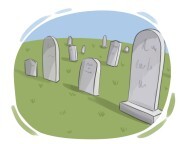
gravhög, begravningshög

Stäng
Logga in
cemetery
cemetery
[Substantiv]

an area of land where dead people are buried, usually not next to a church

kyrkogård, begravningsplats

kyrkogård, begravningsplats

Ex: The cemetery is maintained by the local council. 

Kyrkogården underhålls av det lokala rådet.

Stäng
Logga in
carving
carving
[Substantiv]

an object or pattern that is made by cutting solid material

skulptur, snideri

skulptur, snideri

Stäng
Logga in
to appreciate

to fully understand or recognize the qualities, significance, or worth of something

uppskatta, förstå

uppskatta, förstå

Ex: You need to appreciate how serious the situation is. 
Stäng
Logga in
nevertheless
nevertheless
[adverb]

used to introduce an opposing statement

ändå, likväl
ändå, likväl

Ex: The cost was prohibitive; they bought it nevertheless. 
Stäng
Logga in
valley
valley
[Substantiv]

a low area of land between mountains or hills, often with a river flowing through it

dal, dalgång

dal, dalgång

Ex: A river flows through the valley. 
Stäng
Logga in
adequate
adequate
[adjektiv]

about average; acceptable

tillräcklig, lämplig

tillräcklig, lämplig

Stäng
Logga in
to gain
to gain
[Verb]

to reach or arrive at a specific destination or place

nå, komma till

nå, komma till

Ex: After several hours of climbing, they finally gained the summit. 
Stäng
Logga in
close quarters
close quarters
[Substantiv]

a situation of being uncomfortably close to someone or something

nära avstånd, nära kontakt

nära avstånd, nära kontakt

Stäng
Logga in
Common Era
Common Era
[adverb]

used with a date to refer to things happened or existed after the birth of Christ

vår tideräkning, efter Kristus
vår tideräkning, efter Kristus

Ex: The Renaissance period in Europe flourished from the 14th to the 17th centuries CE. 
Stäng
Logga in
abbey
abbey
[Substantiv]

a group of buildings where a community of monks or nuns lives or formerly lived, typically including a church

abbotkloster,  kloster

abbotkloster, kloster

Ex: Emma spent the afternoon exploring a restored twelfth-century abbey. 
Stäng
Logga in
depiction
depiction
[Substantiv]

a graphic or vivid verbal description

skildring, beskrivning

skildring, beskrivning

Stäng
Logga in
optically
optically
[adverb]

with regard to how people see things or use light, especially with lenses or visual processes

optiskt, ur optisk synvinkel

optiskt, ur optisk synvinkel

Ex: The eye exam assessed vision optically, checking for refractive errors. 

Ögonundersökningen bedömde synen optiskt, kontrollerade för refraktionsfel.

Stäng
Logga in
to stimulate

to cause a nerve, organ, cell, or other part of the body to become active or respond

stimulera,  reta

stimulera, reta

Ex: Electrical signals stimulated the damaged muscles during therapy. 
Stäng
Logga in
luminescence
luminescence
[Substantiv]

(physics) the emission of light without the high temperatures that produce incandescence

luminescens,  kallt ljus

luminescens, kallt ljus

Ex: The coating emits visible luminescence after exposure to light. 
Stäng
Logga in
archeological
archeological
[adjektiv]

related to the study or exploration of human history and prehistory through the excavation of artifacts and sites

arkeologisk

arkeologisk

Ex: The archeological site was carefully preserved to protect its historical significance. 

Den arkeologiska platsen var noggrant bevarad för att skydda dess historiska betydelse.

Stäng
Logga in
unit
unit
[Substantiv]

an individual or group or structure or other entity regarded as a structural or functional constituent of a whole

enhet, element
enhet, element

Ex: Each unit performs a specific function within the system. 
Stäng
Logga in
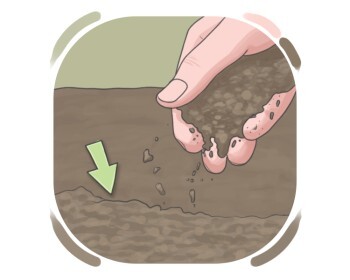
soil
soil
[Substantiv]

the black or brownish substance consisted of organic remains, rock particles, and clay that forms the upper layer of earth where trees or other plants grow

jord, mark

jord, mark

Ex: The plants grow best in rich, moist soil. 
Stäng
Logga in
construction
construction
[Substantiv]

the process of building or creating something, such as structures, machines, or infrastructure

byggnad

byggnad

Ex: Construction of the bridge began last year. 
Stäng
Logga in
in other words

used to provide an alternative or clearer way of expressing the same idea

med andra ord, annorlunda uttryckt

med andra ord, annorlunda uttryckt

Ex: The team needs to work more efficiently; in other words, they need to get the job done faster. 

Teamet behöver arbeta mer effektivt; med andra ord, de behöver få jobbet gjort snabbare.

Stäng
Logga in
latter
latter
[adjektiv]

closest to the end of a particular period of time, event, etc.

senare, senaste

senare, senaste

Ex: The latter stages of the tournament will determine the ultimate winner. 
Stäng
Logga in
occupation
occupation
[Substantiv]

the state or period in which a country, city, etc. is taken control of by armed forces

ockupation, kontrollövertagande

ockupation, kontrollövertagande

Ex: Life changed dramatically during the occupation. 
Stäng
Logga in
to indicate

to show, point out, or suggest the existence, presence, or nature of something

ange, visa

ange, visa

Ex: The arrow on the map indicates the next turn. 
Stäng
Logga in
tribal
tribal
[adjektiv]

associated with a social group of people who share common ancestry, language, and traditions, and often reside in a specific geographic area

stam-, tribal

stam-, tribal

Ex: Tribal art often reflects spiritual beliefs, mythology, and everyday life. 

Stamkonst reflekterar ofta andliga övertygelser, mytologi och vardagsliv.

Stäng
Logga in
emblem
emblem
[Substantiv]

a special design or sign that represents a nation, monarchy, etc.

emblem, symbol

emblem, symbol

Ex: The royal family's crest is an emblem used on official documents and ceremonial objects. 

Kungafamiljens vapen är ett emblem som används på officiella dokument och ceremoniella föremål.

Stäng
Logga in
inhabitant
inhabitant
[Substantiv]

a person or animal that lives in a particular place

invånare

invånare

Ex: Emma spoke with several local inhabitants about the area's history. 
Stäng
Logga in
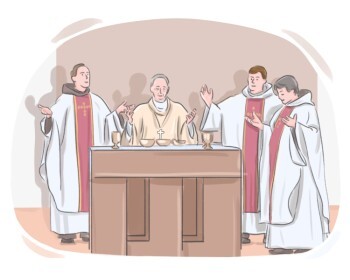
alternatively

as a second choice or another possibility

alternativt, som ett alternativ
alternativt, som ett alternativ

Ex: You can purchase the product online, or alternatively, visit the store in person. 
Stäng
Logga in
ritual
ritual
[Substantiv]

a religious or formal ceremony consisting of a prescribed series of actions

ritual

ritual

Ex: The initiation ritual lasted several hours. 
Stäng
Logga in
Celtic
Celtic
[adjektiv]

relating to the Celts or their languages, traditions, and cultures

keltisk,  keltiska

keltisk, keltiska

Ex: Researchers examined the region's Celtic heritage. 
Stäng
Logga in
to worship

to show religious devotion and reverence to God, a god, or something considered sacred

Ex: People have worshiped at the shrine for hundreds of years. 
Stäng
Logga in
fertility
fertility
[Substantiv]

the capacity of soil or land to support abundant plant growth

fruktbarhet, bördighet

fruktbarhet, bördighet

Ex: The valley is prized for the fertility of its volcanic soil. 
Stäng
Logga in
cult
cult
[Substantiv]

a group of people with extreme religious views who are separate from any established religion

sekt, kult

sekt, kult

Ex: Members of the cult isolated themselves from society to maintain their beliefs. 
Stäng
Logga in
significance
significance
[Substantiv]

the state of being important or worthy of attention

betydelse, vikt
betydelse, vikt

Ex: The discovery has great significance for future research. 
Stäng
Logga in
to attest
to attest
[Verb]

to establish the truth of something by providing evidence or testimony

intyga, bekräfta

intyga, bekräfta

Ex: The smile on her face attests to her happiness. 

Leendet på hennes ansikte bevisar hennes lycka.

Stäng
Logga in
native
native
[adjektiv]

connected with the place where a person was born or grew up

Ex: She left her native village when she was eighteen. 
Stäng
Logga in
mythology
mythology
[Substantiv]

a collection of ancient myths, particularly one that belongs to a group of people and their history, etc.

mytologi

mytologi

Ex: The study of mythology helps us understand the beliefs and traditions of ancient civilizations and their cultural heritage. 

Studiet av mytologi hjälper oss att förstå de gamla civilisationernas tro och traditioner och deras kulturella arv.

Stäng
Logga in
gesture
gesture
[Substantiv]

an action done to express an intention, feeling, or goodwill without necessarily using words

gest, handling
gest, handling

Ex: Sending a thank-you note was a thoughtful gesture. 
Stäng
Logga in
giant
giant
[adjektiv]

extremely large in size

jättestor, gigantisk
jättestor, gigantisk

Ex: She was amazed by the giant waves crashing against the shore during the storm. 
Stäng
Logga in
fascinating
fascinating
[adjektiv]

extremely interesting or captivating

fascinerande, fängslande

fascinerande, fängslande

Ex: The scientist's discoveries about space are truly fascinating, expanding our understanding of the universe. 

Forskarens upptäckter om rymden är verkligen fascinerande, vilket utökar vår förståelse av universum.

Stäng
Logga in
glimpse
glimpse
[Substantiv]

a brief or partial view of someone or something

skymt,  glimt
skymt, glimt

Ex: The crowd waited for a glimpse of the famous singer. 
Stäng
Logga in
to alter
to alter
[Verb]

to cause something to change

förändra, ändra

förändra, ändra

Ex: The new road will alter the appearance of the neighborhood. 
Stäng
Logga in
hillfort
hillfort
[Substantiv]

an ancient military building built on a hill, usually surrounded by earth walls or ditches, used for protection and as a place to live

höjdfästning, fornborg

höjdfästning, fornborg

Ex: Archaeologists studied the structure of the old hillfort. 

Arkeologer studerade strukturen av den gamla höjdborgen.

Stäng
Logga in
to tie
to tie
[Verb]

to connect or link two things together, showing a relationship or connection between them

binda, länka

binda, länka

Ex: The teacher tied the lesson to real-life examples. 
Stäng
Logga in
LanGeek
Ladda ner LanGeek app
