pattern

GRE のための基本語彙 - 火で火と戦う

ここでは、GRE試験に必要な「wage」、「ambush」、「barracks」などの戦争に関する英語の単語を学びます。

レビュー

フラッシュカード

語形

綴り

クイズ

学習を開始
Essential Words Needed for the GRE
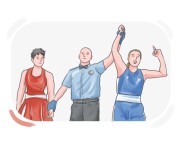
to vanquish
to vanquish
[動詞]

to defeat someone completely and decisively

打ち負かす, 殲滅する

打ち負かす, 殲滅する

Ex: The mighty army sought to vanquish the opposing forces and secure dominance over the region. 

強大な軍隊は敵対勢力を打ち負かし、地域の支配を確保しようとした。

veteran
veteran
[名詞]

a person who has previously served in the armed forces, especially one who served during a war

Ex: The organization provides housing assistance to military veterans. 
to wage
to wage
[動詞]

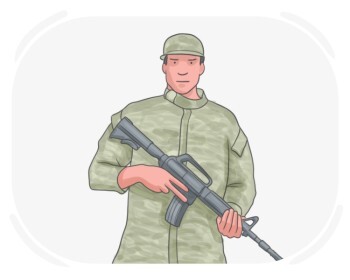
to participate in and carry out a specific action, such as a war or campaign

行う, 展開する
行う, 展開する

Ex: The nonprofit organization has been waging a relentless battle against hunger, providing aid to those in need. 
trooper
trooper
[名詞]

a soldier of low rank who is a member of the military unit that uses either strong covering or vehicles protected by them

兵士, 戦士

兵士, 戦士

Ex: The trooper was assigned to operate one of the armored vehicles. 

兵士は装甲車の1台を操作するよう割り当てられました。

truce
truce
[名詞]

an agreement according to which enemies or opponents stop fighting each other for a specific period of time

休戦, 停戦

休戦, 停戦

Ex: After months of intense fighting, the warring factions agreed to a temporary truce to allow humanitarian aid into the region. 

数か月にわたる激しい戦闘の後、交戦中の派閥は、地域に人道支援を入れるための一時的な休戦に合意しました。

accord
accord
[名詞]

an official agreement between two countries or groups of people

協定, 合意

協定, 合意

Ex: The accord between the companies outlined the terms of their partnership. 
barracks
barracks
[名詞]

a building or a set of buildings for soldiers to live in

兵舎, 兵営

兵舎, 兵営

Ex: The soldiers were assigned to newly built barracks, which provided much better living conditions than the old ones. 

兵士たちは新しく建てられた兵舎に配属され、古いものよりもはるかに良い生活条件が提供されました。

battalion
battalion
[名詞]

a military unit composed of a varying number of companies or platoons, typically commanded by a lieutenant colonel

大隊, 軍事部隊

大隊, 軍事部隊

Ex: The battalion coordinated with other units for the large-scale exercise. 

大隊は大規模な演習のために他の部隊と調整しました。

to blitz
to blitz
[動詞]

to carry out a sudden and intense military attack

突然かつ激しい軍事攻撃を行う, 電撃戦を仕掛ける

突然かつ激しい軍事攻撃を行う, 電撃戦を仕掛ける

Ex: The military commanders decided to blitz the enemy's positions, hoping to catch them off guard. 

軍の指揮官たちは、敵の陣地を電撃攻撃することを決め、不意を突くことを望んだ。

bloodshed
bloodshed
[名詞]

nnecessary spilling of blood, typically resulting from battles, conflicts, or acts of aggression

流血,  虐殺

流血, 虐殺

Ex: The war brought unprecedented bloodshed to the region, with countless lives lost. 

戦争はこの地域に前例のない流血をもたらし、無数の命が失われた。

blockade
blockade
[名詞]

a military action where the enemy is prevented from letting people or equipment through a certain area; often enforced with armed forces

封鎖, 包囲

封鎖, 包囲

Ex: The city was under blockade, cutting off all supply routes. 

都市は封鎖され、すべての供給ルートが遮断されました。

brigade
brigade
[名詞]

a military unit consisting of several battalions or regiments and usually forming part of a division

旅団
旅団

Ex: The brigade was sent to reinforce the northern defenses. 
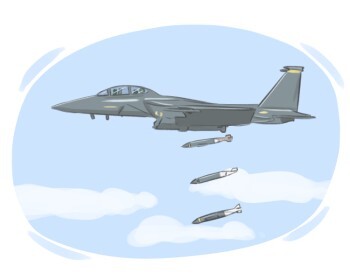
to bombard
to bombard
[動詞]

to drop bombs on someone or something continuously

爆撃する, 連続して爆撃する

爆撃する, 連続して爆撃する

Ex: During the war, the enemy aircraft would bombard the city with relentless airstrikes. 

戦争中、敵機は容赦ない空襲で街を爆撃していました。

brigadier general

an officer in the army who is ranked between a colonel and a major general

准将, 旅団長

准将, 旅団長

Ex: The brigadier general was in charge of the division’s strategic planning. 

准将は師団の戦略計画を担当していました。

admiral
admiral
[名詞]

the highest-ranking officer in a fleet

提督, 艦隊の最高位の将校

提督, 艦隊の最高位の将校

Ex: The admiral stood on the deck, surveying the fleet with a sense of pride and responsibility. 

提督はデッキに立ち、誇りと責任感を持って艦隊を眺めた。

to ambush
to ambush
[動詞]

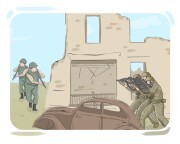
to wait in a concealed location and launch a surprise attack on a target

待ち伏せする, 伏撃する

待ち伏せする, 伏撃する

Ex: The guerrilla fighters planned to ambush the enemy convoy on the narrow mountain pass. 

ゲリラ戦士たちは、狭い山道で敵の輸送隊に待ち伏せ攻撃を仕掛ける計画を立てた。
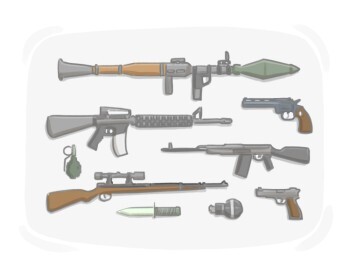
armament
armament
[名詞]

the military equipment and weaponry used by a country or military force

軍備

軍備

Ex: The country invested heavily in modernizing its armament, acquiring advanced missile defense systems and fighter jets. 

その国は軍備の近代化に多額の投資を行い、先進的なミサイル防衛システムと戦闘機を取得しました。

ammunition
ammunition
[名詞]

bullets, shells, or other projectiles used in firearms

弾薬, 弾丸

弾薬, 弾丸

Ex: Soldiers checked their ammunition before the battle. 

兵士たちは戦闘前に 弾薬 を確認した。

to assassinate

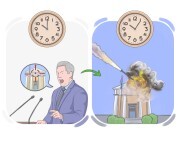
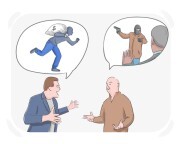
to murder a prominent figure in a sudden attack, usually for political purposes

暗殺する, 殺す

暗殺する, 殺す

Ex: The secret agent was hired to assassinate the political leader during the summit. 

秘密工作員は、サミット中に政治指導者を暗殺するために雇われた。

cavalry
cavalry
[名詞]

a group of soldiers in an army who fight by armored vehicles

騎兵隊, 機甲部隊

騎兵隊, 機甲部隊

Ex: The cavalry led the charge during the battle. 

戦いの間、騎兵隊が突撃を率いた。

ceasefire
ceasefire
[名詞]

a temporary peace during a battle or war when discussions regarding permanent peace is taking place

停戦, 休戦

停戦, 休戦

Ex: The two sides agreed to a ceasefire to allow peace talks to begin. 

両者は和平交渉を開始するために停戦に合意した。

civilian
civilian
[名詞]

a person who is not a member of the armed forces

民間人, 一般市民

民間人, 一般市民

Ex: Hundreds of civilians left the area before the fighting began. 
cold war
cold war
[名詞]

a state of unfriendly relationship between two states which are not openly at war with each other

冷戦, 潜在的な対立

冷戦, 潜在的な対立

Ex: The two nations have been in a cold war for decades, avoiding direct conflict. 

二つの国は数十年間、直接的な衝突を避けながら冷戦状態にあります。

to conquer
to conquer
[動詞]

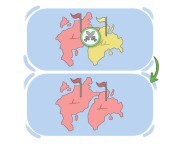
to gain control of a place or people using armed forces

征服する, 制圧する

征服する, 制圧する

Ex: The army worked strategically to conquer the enemy's territory. 

軍隊は戦略的に働いて敵の領土を征服した。

to conspire
to conspire
[動詞]

to make secret plans with other people to commit an illegal or destructive act

共謀する, 陰謀を企てる

共謀する, 陰謀を企てる

Ex: The group of individuals conspired to carry out a heist on the bank. 

その個人のグループは銀行強盗を実行するために共謀した。

contingent
contingent
[名詞]

a group of military personnel sent to join a larger force

派遣部隊, 分遣隊

派遣部隊, 分遣隊

Ex: The small contingent arrived to reinforce the main army. 

小さな分遣隊が主力軍を強化するために到着した。

coup
coup
[名詞]

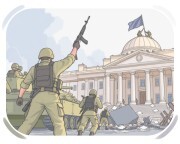
a sudden illegal seizure of government power, often involving military force

Ex: The military launched a coup and seized control of the government. 
court martial

a legal procedure for military personnel who break military laws; leading to charges against them

軍法会議, 軍事裁判

軍法会議, 軍事裁判

Ex: The soldier faced a court martial for disobeying orders. 

その兵士は命令に従わなかったため軍法会議に直面した。

curfew
curfew
[名詞]

an order or law that prohibits people from going outside after a specific time, particularly at night

夜間外出禁止令, 門限

夜間外出禁止令, 門限

Ex: The government imposed a strict curfew, requiring everyone to be indoors by 9 PM to maintain public safety. 

政府は公共の安全を維持するために、午後9時までに全員が屋内にいることを要求する厳格な夜間外出禁止令を課しました。

evacuation
evacuation
[名詞]

the action of transferring people or being transferred to somewhere else to be safe from a dangerous situation

避難

避難

Ex: The coastal town ordered a mandatory evacuation as the hurricane approached, urging residents to seek shelter inland. 

沿岸の町はハリケーンが接近するにつれて強制避難を命じ、住民に内陸部で避難するよう促しました。

garrison
garrison
[名詞]

a military stronghold where soldiers are stationed for defense

守備隊, 要塞

守備隊, 要塞

Ex: The castle served as a garrison for the king's soldiers. 

その城は王の兵士たちの駐屯地として機能した。

incendiary
incendiary
[名詞]

a device created to cause explosion and fire in order to completely destroy something

焼夷装置, 放火装置

焼夷装置, 放火装置

Ex: The police found an incendiary hidden in the abandoned building. 

警察は放棄された建物に隠された発火装置を見つけた。

to infiltrate

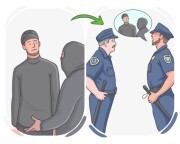
to secretly enter an organization or group with the aim of spying on its members or gathering information

潜入する, 密かに入り込む

潜入する, 密かに入り込む

Ex: During the Cold War, intelligence agencies attempted to infiltrate enemy organizations for espionage. 

冷戦中、情報機関は敵の組織に潜入してスパイ活動を試みた。

legionary
legionary
[名詞]

a soldier who fights in a very large group that is a part of an army called legion

レギオナリウス, 軍団の兵士

レギオナリウス, 軍団の兵士

Ex: The legionary stood guard at the camp entrance. 

レギオナリーはキャンプの入り口で見張りに立っていた。

mercenary
mercenary
[名詞]

a professional soldier hired to serve in a foreign army, often motivated by payment rather than ideological or national allegiance

傭兵, 運命の兵士

傭兵, 運命の兵士

Ex: The army hired mercenaries to bolster its forces during the conflict in the region. 

軍隊は地域の紛争中にその勢力を強化するために傭兵を雇った。

marauder
marauder
[名詞]

a person or an animal that wanders around in search of places to destroy, people to kill and steal from

略奪者, 強盗

略奪者, 強盗

Ex: The village was raided by a group of marauders. 

村は一団の略奪者に襲撃された。

militia
militia
[名詞]

a military group consisting of civilians who have been trained as soldiers to help the army in emergencies

民兵, 国家警備隊

民兵, 国家警備隊

Ex: The militia was mobilized to assist in disaster relief efforts after the earthquake devastated the region. 

地震が地域を壊滅させた後、災害救援活動を支援するために民兵が動員されました。
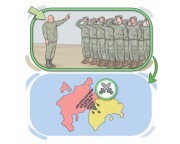
to mobilize
to mobilize
[動詞]

(of a state) to organize and prepare for a military operation

動員する, 組織する

動員する, 組織する

Ex: In response to the threat, the country decided to mobilize its military forces. 

脅威に対応して、その国は軍事力を動員することを決めた。

to pillage
to pillage
[動詞]

to plunder, typically during times of war or civil unrest

略奪する, 奪い取る

略奪する, 奪い取る

Ex: The invading army was condemned for its actions as it began to pillage villages, leaving destruction in its wake. 

侵略軍は、村を略奪し始め、その跡に破壊を残したことで、その行動を非難されました。

rebellion
rebellion
[名詞]

an organized action, usually violent, against an authority, attempting to bring about a change

反乱, 叛乱

反乱, 叛乱

Ex: The rebellion was sparked by harsh government policies. 

反乱は厳しい政府の政策によって引き起こされた。

LanGeek
LanGeekアプリをダウンロード