pattern

犯罪と処罰 - 調査のプロセスと方法

レビュー

フラッシュカード

語形

綴り

クイズ

学習を開始
Words Related to Crime and Punishment
to confess
to confess
[動詞]

to admit that one has committed a crime or done something wrong

告白する,  自白する

告白する, 自白する

Ex: The suspect eventually confessed to the robbery. 
confession
confession
[名詞]

a formal statement made by a person admitting that they are guilty of a crime

自白,  告白

自白, 告白

Ex: The suspect's confession led to his arrest and subsequent trial. 

容疑者の自白が彼の逮捕とその後の裁判につながった。

bug
bug
[名詞]

a small concealed microphone used to eavesdrop or record secretly

隠しマイク, 盗聴器

隠しマイク, 盗聴器

Ex: The office was found to have a bug in the conference room. 

オフィスの会議室に盗聴器があることが判明した。

crackdown
crackdown
[名詞]

a severe and often sudden enforcement of law or regulations, typically to suppress or control specific activities, behaviors, or groups perceived as problematic or threatening

取り締まり, 強硬策

取り締まり, 強硬策

Ex: The government launched a crackdown on illegal immigration, leading to widespread arrests and deportations. 

政府は不法移民に対する弾圧を開始し、広範囲にわたる逮捕と国外退去を引き起こした。

to fingerprint

to record or take an impression of a person's fingerprints for identification

指紋を採取する, 指紋を記録する

指紋を採取する, 指紋を記録する

Ex: The police fingerprinted all suspects at the station. 

警察は署ですべての容疑者の指紋を採取しました。

fingerprinting

the act of taking a person's fingerprints to identify them

指紋採取, 指紋の収集

指紋採取, 指紋の収集

Ex: The police did fingerprinting. 

警察は指紋採取を行いました。

to identify
to identify
[動詞]

to reveal or make known who someone is

特定する, 正体を明らかにする

特定する, 正体を明らかにする

Ex: The celebrity's publicist agreed to identify the star's new partner to the media. 
to incriminate

to provide evidence or information that suggests a person's involvement in a crime or wrongdoing

罪に陥れる,  告発する

罪に陥れる, 告発する

Ex: The witness hesitated to testify, fearing that any statement might inadvertently incriminate them in the ongoing investigation. 

証人は、進行中の調査で何らかの発言が自分を意図せず罪に問うことになるのではないかと恐れて、証言をためらった。

incriminating
incriminating
[形容詞]

showing or suggesting someone is guilty

有罪を示す, 罪を立証する

有罪を示す, 罪を立証する

Ex: They found incriminating evidence. 

彼らは有罪を示す証拠を見つけた。

incrimination

the act of suggesting that someone is guilty, particularly of a crime

起訴, 告発

起訴, 告発

Ex: The evidence led to his incrimination. 

証拠は彼の起訴につながった。

to inspect
to inspect
[動詞]

to look at someone or something closely and carefully in order to learn about or assess it

検査する,  点検する

検査する, 点検する

Ex: Emma inspected the fabric closely for small tears. 
inspection
inspection
[名詞]

a careful or official examination of something to check its condition, quality, or compliance with rules

検査,  点検

検査, 点検

Ex: The building passed its annual safety inspection. 
to inform
to inform
[動詞]

to provide incriminating or significant information about someone to the authorities

通報する, 情報を提供する

通報する, 情報を提供する

Ex: The whistleblower informed on the company's CEO, revealing their fraudulent financial practices to the authorities. 
informant
informant
[名詞]

one that secretly provides information about something or someone for the police or investigators

情報提供者, 密告者

情報提供者, 密告者

Ex: The police relied on an informant to crack the major drug case. 

警察は大きな麻薬事件を解決するために 情報提供者 に頼った。

to investigate

to try to find the truth about a crime, accident, etc. by carefully examining its facts

調査する,  調べる

調査する, 調べる

Ex: The police were called to investigate the suspicious death. 
investigation

an attempt to gather the facts of a matter such as a crime, incident, etc. to find out the truth

調査,  捜査

調査, 捜査

Ex: The investigation into the accident showed that human error was to blame. 
investigator
investigator
[名詞]

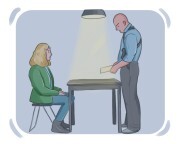
a police officer whose duties include examining crimes and gathering evidence

捜査官, 警部補
捜査官, 警部補

Ex: The investigator collected fingerprints at the crime scene. 
to question
to question
[動詞]

to officially ask someone a series of questions about something

質問する, 尋問する

質問する, 尋問する

Ex: During the job interview, the employer questioned the candidate about their relevant experience. 
questioning
questioning
[名詞]

the act of asking someone for information, often by authorities

尋問, 取り調べ

尋問, 取り調べ

Ex: The police held a questioning. 

警察は尋問を行った。

report
report
[名詞]

a written description of something that includes pieces of information that someone needs to know

レポート, 報告書

レポート, 報告書

Ex: The police officer wrote up a report detailing the incident that occurred earlier that evening. 
tip-off
tip-off
[名詞]

a piece of information or warning that is given secretly or discreetly, often to provide advance knowledge or insight

内報, 秘密の情報

内報, 秘密の情報

Ex: The police received a tip-off about the planned robbery. 

警察は計画された強盗についての情報を受け取りました。

tipster
tipster
[名詞]

a person who gives the police information about a crime

情報提供者, 密告者

情報提供者, 密告者

Ex: The tipster called the police. 

情報提供者が警察に電話をかけた。

to trace
to trace
[動詞]

to find someone or something, often by following a series of clues or evidence

追跡する, たどる

追跡する, たどる

Ex: Can you please trace the phone number to identify the caller? 
to uncover
to uncover
[動詞]

to reveal or bring to light something that was previously unknown or kept secret

明らかにする, 発見する

明らかにする, 発見する

Ex: The investigation uncovered evidence of embezzlement within the company. 

調査により、会社内部での横領の証拠が明らかになりました。

witness
witness
[名詞]

a person who sees an event, especially a criminal scene

目撃者, 証人

目撃者, 証人

Ex: Being a witness to the accident left him shaken, but he was able to provide valuable information to the authorities. 
grass
grass
[名詞]

a police informant who provides information that gets others in trouble

密告者, 情報提供者

密告者, 情報提供者

Ex: The undercover officer acted as a grass within the organization. 
detective work

the activity of trying to get more information or finding out the truth about something

探偵の仕事, 調査

探偵の仕事, 調査

Ex: The detective work helped solve the robbery case. 

探偵の仕事が強盗事件の解決に役立った。

LanGeek
LanGeekアプリをダウンロード