pattern

感情を呼び起こす動詞 - 否定的な感情を引き起こす動詞

ここでは、「動揺させる」、「嫌悪させる」、「疲れさせる」などの否定的な感情を喚起する英語の動詞をいくつか学びます。

レビュー

フラッシュカード

語形

綴り

クイズ

学習を開始
Categorized English Verbs of Evoking and Feeling Emotions
to upset
to upset
[動詞]

to make a person unhappy or emotionally disturbed

動揺させる, 不快にさせる

動揺させる, 不快にさせる

Ex: They are upsetting the baby by making too much noise. 
to sadden
to sadden
[動詞]

to make someone feel unhappy or disappointed

悲しませる, がっかりさせる

悲しませる, がっかりさせる

Ex: The loss of her pet deeply saddened her. 

彼女のペットを失ったことは、彼女を深く悲しませた。

to depress
to depress
[動詞]

to make someone feel extremely sad or discouraged, often as a result of challenging situations, such as loss

落ち込ませる, がっかりさせる

落ち込ませる, がっかりさせる

Ex: The constant rain seemed to depress him even more. 

絶え間ない雨は彼をさらに落ち込ませているようだった。

to desolate
to desolate
[動詞]

to make someone feel extremely miserable and unhappy

惨めにする, 悲しませる

惨めにする, 悲しませる

Ex: The loss of her parents desolated her. 

彼女の両親の喪失は彼女を絶望させた.

to deject
to deject
[動詞]

to make someone feel disheartened or low in spirits

がっかりさせる, 落胆させる

がっかりさせる, 落胆させる

Ex: His failure in the exam dejected him. 

試験での失敗は彼を落胆させた。

to get down
to get down
[動詞]

to cause someone's spirits to be lowered

人を落ち込ませる, 人を悲しく落胆させる

人を落ち込ませる, 人を悲しく落胆させる

Ex: The news of the layoffs got him down, and he felt demotivated. 

レイオフのニュースは彼を落ち込ませ、やる気を失くした。

to disappoint

to fail to meet someone's expectations or hopes, causing them to feel let down or unhappy

失望させる, がっかりさせる

失望させる, がっかりさせる

Ex: The movie's ending disappointed many viewers. 

その映画の結末は多くの観客をがっかりさせた。

to let down
to let down
[動詞]

to make someone disappointed by not meeting their expectations

期待に応えず人を失望させる, 人をがっかりさせる

期待に応えず人を失望させる, 人をがっかりさせる

Ex: The team's lackluster performance in the second half of the game let their coach down, who had faith in their abilities. 

試合の後半でのチームの精彩を欠いたプレーは、彼らの能力を信じていたコーチをがっかりさせた。
to disgust
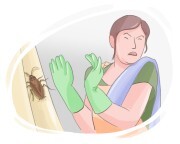
to disgust
[動詞]

to make someone feel upset, shocked, and sometimes offended about something

嫌悪させる, 憤慨させる

嫌悪させる, 憤慨させる

Ex: His rude behavior towards the waiter disgusted everyone at the table. 

ウェイターに対する彼の失礼な態度は、テーブルの全員を嫌悪させた。

to revolt
to revolt
[動詞]

to cause strong disgust or offense to someone's morals

反乱を起こす, 嫌悪感を抱かせる

反乱を起こす, 嫌悪感を抱かせる

Ex: His sexist remarks revolted the entire audience. 

彼の性差別的な発言は聴衆全体を憤慨させた。

to repel
to repel
[動詞]

to cause someone to feel a strong dislike or aversion towards something

撃退する, 嫌悪感を引き起こす

撃退する, 嫌悪感を引き起こす

Ex: The foul smell of the garbage repels visitors to the alley. 

ゴミの悪臭が路地の訪問者を遠ざける。

to squick
to squick
[動詞]

to disgust someone

嫌悪感を抱かせる, うんざりさせる

嫌悪感を抱かせる, うんざりさせる

Ex: The mention of spiders squicked him yesterday. 

蜘蛛の話は昨日彼をうんざりさせた。

to sicken
to sicken
[動詞]

to cause strong offense to someone's morals

憤慨させる, 嫌悪を引き起こす

憤慨させる, 嫌悪を引き起こす

Ex: The cruel treatment of animals sickened the activists. 

動物への残酷な扱いが活動家たちを憤慨させた。

to nauseate
to nauseate
[動詞]

to make someone feel very disgusted, often in a moral sense

吐き気を催させる, 嫌悪感を抱かせる

吐き気を催させる, 嫌悪感を抱かせる

Ex: Their rude behavior at the party was enough to nauseate most of the guests. 

パーティーでの彼らの無礼な態度は、ほとんどのゲストを嫌悪させるのに十分だった。
to gross out
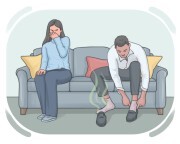
to gross out
[動詞]

to disgust someone, especially with something vulgar or offensive

うんざりさせる, 嫌悪感を抱かせる

うんざりさせる, 嫌悪感を抱かせる

Ex: The disgusting behavior of the bullies has grossed out many students. 

いじめっ子の嫌な行為は多くの学生をうんざりさせた。

to exhaust
to exhaust
[動詞]

to make someone extremely tired

疲れ果てさせる, 使い尽くす
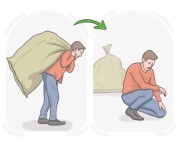
疲れ果てさせる, 使い尽くす

Ex: The long hike exhausted everyone in the group. 
to tire
to tire
[動詞]

to make someone physically weary or lacking in energy

疲れさせる, くたくたにさせる

疲れさせる, くたくたにさせる

Ex: The long climb tired everyone in the group. 
to overtire
to overtire
[動詞]

to exhaust someone excessively beyond normal limits

過度に疲れさせる, 通常の限度を超えて疲れさせる

過度に疲れさせる, 通常の限度を超えて疲れさせる

Ex: She overtires herself by taking on too many tasks. 

彼女は多くの仕事を引き受けて自分を過労させます。

to fatigue
to fatigue
[動詞]

to make someone extremely tired from too much exertion or stress

疲れさせる, 疲労させる

疲れさせる, 疲労させる

Ex: She has fatigued herself with excessive physical activity. 

彼女は過度の身体活動で自分を疲れさせた。

to wear out
to wear out
[動詞]

to make someone tired because of strain or stress

疲れさせる, 消耗させる

疲れさせる, 消耗させる

Ex: The repetitive tasks at the assembly line quickly wore the workers out. 

組立ラインでの繰り返し作業は、すぐに労働者を疲れさせた。

to fag out
to fag out
[動詞]

to become extremely tired from overexertion, strain, or stress

疲れ果てる, くたくたになる

疲れ果てる, くたくたになる

Ex: The intense workout yesterday fagged me out. 

昨日の激しいワークアウトで くたくたになった.

to bore
to bore
[動詞]

to do something that causes a person become uninterested, tired, or impatient

退屈させる, 飽きさせる
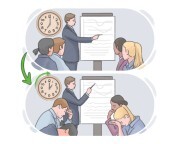
退屈させる, 飽きさせる

Ex: The ongoing discussion is boring him. 
to stultify
to stultify
[動詞]

to make someone lose interest or motivation, typically due to a boring or restrictive routine

興味を失わせる, やる気をなくさせる

興味を失わせる, やる気をなくさせる

Ex: The monotonous job stultified his creativity. 

単調な仕事は彼の創造性を失わせた。

LanGeek
LanGeekアプリをダウンロード