
Verbos para Evocar Emociones - Verbos para Evocar Emociones Negativas
Aquí aprenderás algunos verbos en inglés que se refieren a evocar emociones negativas como "molestar", "disgustar" y "cansar".
Revisión
Tarjetas de memoria
formas
Ortografía
Cuestionario

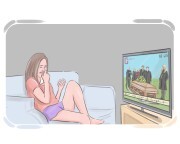
to make a person unhappy or emotionally disturbed

molestar
to make someone feel unhappy or disappointed
entristecer, afligir
Me entristece ver lo rápido que pasa el tiempo mientras mis hijos crecen.
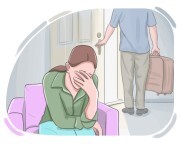
to make someone feel extremely sad or discouraged, often as a result of challenging situations, such as loss
deprimir
La noticia de su enfermedad deprimió profundamente a su familia.
to make someone feel extremely miserable and unhappy
desolar, afligir
La ruptura lo desoló, dejándolo sintiéndose vacío.
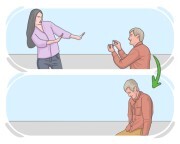
to make someone feel disheartened or low in spirits
desmoralizar
El clima lluvioso desanimó a todos en el evento al aire libre.
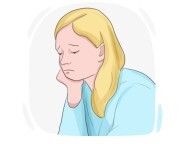
to cause someone's spirits to be lowered
desanimar a alguien, poner a alguien triste y desanimado
No dejes que los comentarios negativos te desanimen; mantén el ánimo alto.
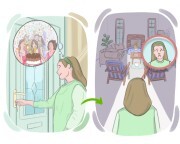
to fail to meet someone's expectations or hopes, causing them to feel let down or unhappy
decepcionar, desilusionar
Obtener una baja calificación en el examen la decepcionó.
to make someone disappointed by not meeting their expectations
decepcionar a alguien al no cumplir sus expectativas, decepcionar a alguien
Este coche nunca me ha decepcionado, incluso en las condiciones climáticas más duras.
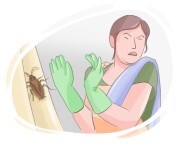
to make someone feel upset, shocked, and sometimes offended about something
darle asco, repugnar
Las acciones corruptas del político disgustaron a los ciudadanos.

to cause strong disgust or offense to someone's morals
revolver, disgustar
La vista de la crueldad animal revolvió a los activistas de los derechos de los animales.
to cause someone to feel a strong dislike or aversion towards something
repeler, disuadir
El sabor terrible de la comida ha alejado a los comensales del restaurante.
to disgust someone
asquear, disgustar
El olor repugnante me ha squickado desde que entré en la habitación.

to cause strong offense to someone's morals
disgustar, repugnar
La exposición constante a la negatividad la enferma.
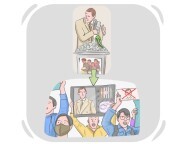
to make someone feel very disgusted, often in a moral sense
dar náuseas, dar asco
Su deshonestidad nauseabunda a mucha gente.
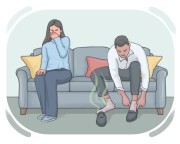
to disgust someone, especially with something vulgar or offensive
asquear, repugnar
Los comentarios ofensivos asqueaban a los oyentes.

to make someone extremely tired
agotar, extenuar
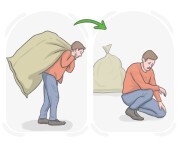
to make someone physically weary or lacking in energy
cansar, agotar
to exhaust someone excessively beyond normal limits
agotar en exceso, cansar demasiado
La exigente agenda la está agotando en exceso.

to make someone extremely tired from too much exertion or stress
fatigar, agotar
La presión continua me ha fatigado.
to make someone tired because of strain or stress
agotar, cansar
El estrés prolongado puede agotar a una persona tanto física como mentalmente.
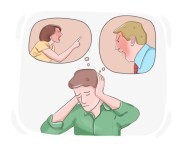
to become extremely tired from overexertion, strain, or stress
agotarse, reventarse
El ruido constante de la construcción lo estaba agotando.

to do something that causes a person become uninterested, tired, or impatient
aburrir, cansar
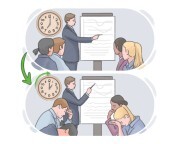
to make someone lose interest or motivation, typically due to a boring or restrictive routine
embrutecer, anquilosar
Las tareas repetitivas a menudo lo estultifican.
