
pattern

C2レベルの単語リスト - 健康状態

ここでは、健康状態について話すためのすべての基本的な単語を学びます。特にC2レベルの学習者のために集められました。

レビュー

フラッシュカード

綴り

クイズ

学習を開始
CEFR C2 Vocabulary
palpitation
palpitation
[名詞]

a heart beat that is very irregular or too fast

動悸, 不規則な心拍

動悸, 不規則な心拍

Ex: She experienced a sudden palpitation while climbing the stairs, causing her to pause and catch her breath. 

彼女は階段を上っているときに突然動悸を感じ、立ち止まって息を整えなければならなかった。
pneumonia
pneumonia
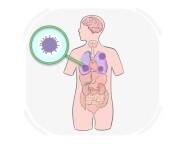
[名詞]

the infection and inflammation of air sacs in one's lungs, usually caused by a bacterial infection that makes breathing difficult

肺炎, 肺感染症

肺炎, 肺感染症

Ex: After recovering from pneumonia, he followed his doctor's advice to get plenty of rest and stay hydrated. 

肺炎から回復した後、彼は医師のアドバイスに従って十分に休息を取り、水分を補給しました。

catarrh
catarrh
[名詞]

a medical condition during which mucus accumulates in one's nose, throat, or sinuses and blocks them

カタル, 鼻風邪

カタル, 鼻風邪

Ex: She suffered from persistent catarrh, experiencing a constant runny nose and throat irritation. 

彼女は持続性のカタルに苦しみ、常に鼻水と喉の刺激を経験していました。

malaise
malaise
[名詞]

a feeling of being physically ill and irritated without knowing the reason

不快感

不快感

Ex: Claire's vague malaise of discomfort and unease prompted several visits to specialists. 

クレアの漠然とした不快感、不安や不快感は、専門家への数回の訪問を促しました。

contagion
contagion
[名詞]

any disease or virus that can be easily passed from one person to another

伝染病, 感染

伝染病, 感染

Ex: The health department took swift action to contain the contagion and prevent the outbreak from spreading further. 

保健所は伝染病を封じ込め、発生のさらなる拡大を防ぐために迅速な行動をとりました。

congestion
congestion
[名詞]

a condition where an excess amount of blood or other fluid accumulates in a part of the body, leading to swelling or discomfort

充血, 腫れ

充血, 腫れ

Ex: Nasal congestion made it difficult for him to breathe comfortably, especially at night. 

鼻の充血により、特に夜間に快適に呼吸することが難しくなりました。

lesion
lesion
[名詞]

an injury or wound to living tissue, often involving a cut, break, or trauma to the skin

病変, 損傷

病変, 損傷

Ex: The patient had a small lesion on his forearm. 

患者の前腕に小さな損傷がありました。

ulcer
ulcer
[名詞]

an open sore on the skin or inside the body that heals slowly and may bleed or produce pus

潰瘍,  かいよう
潰瘍, かいよう

Ex: Daniel developed a painful ulcer on his leg. 
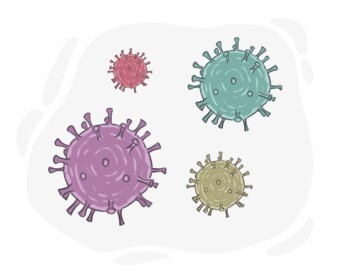
pathogen
pathogen
[名詞]

any organism that can cause diseases

病原体, 病原菌

病原体, 病原菌

Ex: The laboratory tests confirmed the presence of a bacterial pathogen responsible for the patient's severe food poisoning. 

検査室のテストは、患者の重度の食中毒の原因となる細菌性病原体の存在を確認しました。

indisposition

a mild state of being unwell, often leading to a temporary inability to perform one's usual activities

不快感, 体調不良

不快感, 体調不良

Ex: Despite his indisposition, the employee made an effort to attend the important business meeting. 

体調不良にもかかわらず、その従業員は重要なビジネス会議に出席する努力をしました。

bout
bout
[名詞]

a short period during which someone is suffering from an illness

発作, エピソード

発作, エピソード

Ex: After a severe bout of flu, he needed a week of rest to fully recover his strength and energy. 

ひどい風邪の発作の後、彼は体力とエネルギーを完全に回復するために1週間の休息が必要でした。

patient zero
patient zero
[名詞]

the first person known to have a certain disease, often seen as the starting point of an outbreak

患者ゼロ, 最初の症例

患者ゼロ, 最初の症例

Ex: Identifying patient zero is crucial for understanding how an outbreak began. 

アウトブレイクがどのように始まったかを理解するには、患者ゼロを特定することが重要です。

anorexic
anorexic
[名詞]

a person who has an eating disorder characterized by an intense fear of gaining weight and severe food restriction

拒食症の人, 拒食症に苦しむ人

拒食症の人, 拒食症に苦しむ人

Ex: The clinic specializes in treating anorexics, providing both medical care and psychological support. 

そのクリニックは拒食症患者の治療を専門としており、医療ケアと心理的サポートの両方を提供しています。

morbidity
morbidity
[名詞]

the prevalence of disease or injury within a specific population over a particular period

罹患率, 疾病の有病率

罹患率, 疾病の有病率

Ex: High morbidity from infections prompted a public health alert. 

感染症による高い罹患率が公衆衛生警報を引き起こした。

malady
malady
[名詞]

any physical problem that might put one's health in danger

病気, 疾患

病気, 疾患

Ex: Doctors were unable to determine the underlying malady that caused his fatigue and weakness. 

医師たちは、彼の疲労と弱さを引き起こした根本的な病気を特定できませんでした。
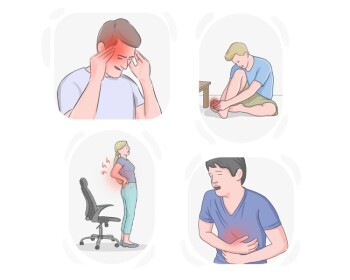
affliction
affliction
[名詞]

a state of pain or suffering due to a physical or mental condition

苦悩, 苦痛

苦悩, 苦痛

Ex: His spiritual beliefs helped him find solace in the face of his terminal illness affliction. 

彼の精神的信念は、末期の病気の苦しみに直面して慰めを見つけるのに役立ちました。

valetudinarian
valetudinarian
[形容詞]

a person who is excessively concerned about their health and often believes they are ill

心気症の, 健康過敏な

心気症の, 健康過敏な

Ex: The valetudinarian approach to wellness often results in unnecessary medical tests and consultations. 

健康に対する心気症的なアプローチは、不必要な医療検査や相談につながることが多い。
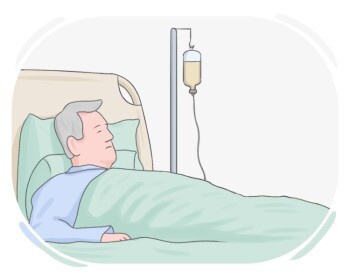
stricken
stricken
[形容詞]

severely affected by a harmful condition or troubling emotion

襲われた, 打撃を受けた

襲われた, 打撃を受けた

Ex: The town was stricken by a severe drought. 

その町は深刻な干ばつに見舞われた。

spry
spry
[形容詞]

energetic and agile, especially in older age

元気な, 敏捷な

元気な, 敏捷な

Ex: The spry old man impressed everyone with his ability to climb the steep hill without breaking a sweat. 

その元気な老人は、汗もかかずに急な丘を登る能力でみんなを感心させた。

anemic
anemic
[形容詞]

relating to a health condition where a person has a lower than normal number of red blood cells, causing fatigue and weakness

貧血の

貧血の

Ex: She felt constantly fatigued and weak due to being anemic, with her doctor recommending iron supplements to boost her red blood cell count. 

彼女は貧血のため常に疲労感と弱さを感じており、医師は赤血球数を増やすために鉄剤を勧めました。
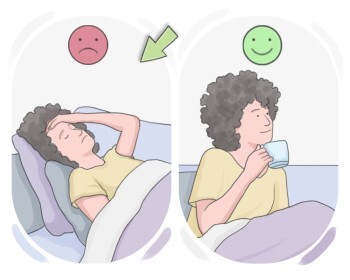
ailing
ailing
[形容詞]

suffering from an illness or injury

病気の, 苦しんでいる

病気の, 苦しんでいる

Ex: The ailing patient was admitted to the hospital for further examination and treatment. 

病気の患者は、さらなる検査と治療のために病院に入院しました。

sallow
sallow
[形容詞]

yellowish, sickly, or lacking in healthy color

黄色がかった, 青白い

黄色がかった, 青白い

Ex: The prolonged illness left him with a sallow complexion, highlighting the impact on his overall well-being. 

長引く病気は彼に青白い顔色を残し、全体的な健康への影響を浮き彫りにしました。
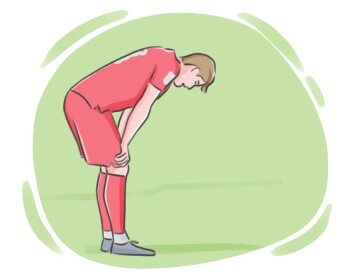
spent
spent
[形容詞]

feeling or appearing completely exhausted

疲れ果てた, 消耗した

疲れ果てた, 消耗した

Ex: After a day of continuous negotiations, the diplomats emerged from the conference room looking visibly spent. 

一日にわたる継続的な交渉の後、外交官たちは会議室から明らかに疲れ切った様子で出てきた。
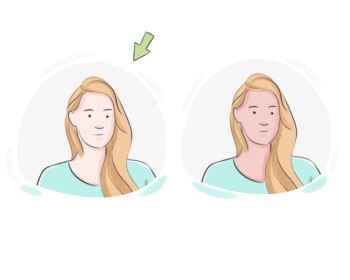
pallid
pallid
[形容詞]

abnormally pale, lacking in color, and often associated with illness, shock, or a lack of vitality

青白い, 生気のない

青白い, 生気のない

Ex: The patient's pallid complexion raised concerns among the medical staff. 

患者の青白い顔色は医療スタッフの間で懸念を引き起こした。

enervated
enervated
[形容詞]

weakened and depleted of strength or vitality

弱った, 力のない

弱った, 力のない

Ex: The persistent heatwave left everyone feeling enervated and lethargic. 

持続する熱波は、誰もが弱りきった感じと無気力にさせた。

ghastly
ghastly
[形容詞]

looking pale due to being sick or in poor health

青ざめた, 蒼白な

青ざめた, 蒼白な

Ex: She appeared ghastly, her complexion drained of color, as she struggled to stand up after fainting. 

彼女は気絶した後、立ち上がろうと苦労している間、顔色がなく、青ざめて見えました。
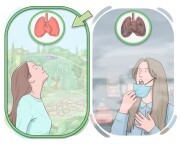
salubrious
salubrious
[形容詞]

indicating or promoting healthiness and well-being

健康的な, 健康に良い

健康的な, 健康に良い

Ex: The mountain air was considered salubrious, offering crisp freshness that invigorated the lungs. 

山の空気は健康的と考えられており、肺を活気づけるさわやかな新鮮さを提供していました。
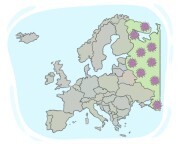
endemic
endemic
[形容詞]

relating to a disease or condition that is commonly found in a specific area or group of people

風土病の

風土病の

Ex: Malaria is endemic to tropical regions, where the climate provides a suitable environment for the transmission of the disease. 

マラリアは熱帯地域に固有の病気で、気候が病気の伝播に適した環境を提供しています。

immunocompromised

related to a state in which an individual's immune system is weakened or impaired, making them more susceptible to infections and illnesses

免疫不全の,  免疫力が低下した

免疫不全の, 免疫力が低下した

Ex: Immunocompromised individuals have a weakened immune system. 

免疫不全の人は免疫システムが弱っています。

asymptomatic
asymptomatic
[形容詞]

(of a disease) not showing any symptoms associated with it

無症状の

無症状の

Ex: Regular testing is essential to identify asymptomatic cases and prevent the spread of the virus. 

定期的な検査は、無症状の症例を特定し、ウイルスの拡散を防ぐために不可欠です。

LanGeek
LanGeekアプリをダウンロード