
Listă de Cuvinte Nivel C2 - Starea de Sănătate
Aici veți învăța toate cuvintele esențiale pentru a vorbi despre Starea de Sănătate, adunate special pentru elevii de nivel C2.
Revizuire
Fișe de studiu
Ortografie
Chestionar


a heart beat that is very irregular or too fast

palpitație, bătaie neregulată a inimii
Ea a experimentat o palpitație bruscă în timp ce urca scările, ceea ce a determinat-o să se oprească pentru a-și recăpăta respirația.
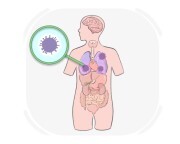
the infection and inflammation of air sacs in one's lungs, usually caused by a bacterial infection that makes breathing difficult
pneumonie, infecție pulmonară
După ce s-a recuperat de la o pneumonie, a urmat sfatul medicului să se odihnească mult și să rămână hidratat.
a medical condition during which mucus accumulates in one's nose, throat, or sinuses and blocks them
catar, răceală
Ea a suferit de catar persistent, experimentând o secreție nazală constantă și iritații în gât.
a feeling of being physically ill and irritated without knowing the reason
disconfort
Malaise-ul vag al Clairei, o senzație de disconfort și neliniște, a determinat mai multe vizite la specialiști.
any disease or virus that can be easily passed from one person to another
contagiu, infecție
Departamentul de sănătate a luat măsuri rapide pentru a limita contagierea și a preveni răspândirea mai departe a epidemiei.
a condition where an excess amount of blood or other fluid accumulates in a part of the body, leading to swelling or discomfort
congestie, umflătură
Congestia nazală i-a făcut dificil să respire confortabil, mai ales noaptea.
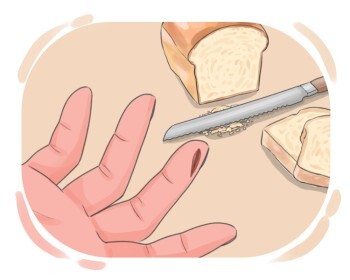
an injury or wound to living tissue, often involving a cut, break, or trauma to the skin
leziune, rană
Pacientul avea o mică leziune pe antebraț.
an open sore on the skin or inside the body that heals slowly and may bleed or produce pus
ulcer, ulcerație
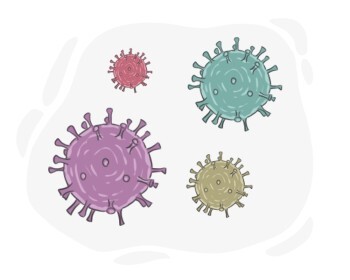
any organism that can cause diseases
patogen, agent patogen
Testele de laborator au confirmat prezența unui patogen bacterian responsabil de intoxicația alimentară severă a pacientului.
a mild state of being unwell, often leading to a temporary inability to perform one's usual activities
indispoziție, stare de rău
În ciuda indispoziției sale, angajatul a făcut un efort pentru a participa la importanta întâlnire de afaceri.
a short period during which someone is suffering from an illness
atac, episod
După un atac sever de gripă, a avut nevoie de o săptămână de odihnă pentru a-și recupera complet puterea și energia.
the first person known to have a certain disease, often seen as the starting point of an outbreak
pacientul zero, primul caz
Identificarea pacientului zero este crucială pentru a înțelege cum a început o epidemie.
a person who has an eating disorder characterized by an intense fear of gaining weight and severe food restriction
anorexic, persoană care suferă de anorexie
Clinica este specializată în tratarea anorexicilor, oferind atât îngrijiri medicale, cât și sprijin psihologic.
the prevalence of disease or injury within a specific population over a particular period
morbiditate, prevalența bolii
Morbiditatea ridicată din cauza infecțiilor a declanșat o alertă de sănătate publică.
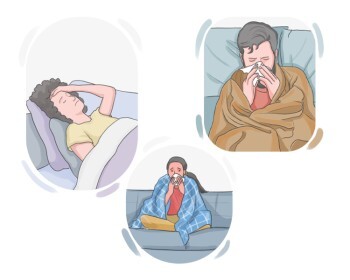
any physical problem that might put one's health in danger
boală, afecțiune
Medicii nu au putut determina boala de bază care a cauzat oboseala și slăbiciunea lui.
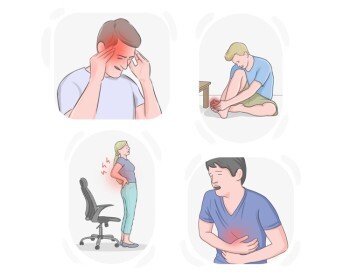
a state of pain or suffering due to a physical or mental condition
suferință, necaz
Credințele sale spirituale l-au ajutat să găsească alinare în fața suferinței bolii sale terminale.
a person who is excessively concerned about their health and often believes they are ill
valetudinar, ipohondru
Abordarea valetudinară a bunăstării duce adesea la teste și consultații medicale inutile.
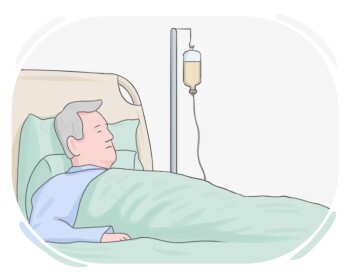
severely affected by a harmful condition or troubling emotion
lovit, afectat
Orașul a fost lovit de o secetă severă.

energetic and agile, especially in older age
vioi, energic
Bătrânul vioi a impresionat pe toți cu abilitatea lui de a urca dealul abrupt fără a transpira.
relating to a health condition where a person has a lower than normal number of red blood cells, causing fatigue and weakness
anemic
Se simțea constant obosită și slabă din cauza faptului că era anemică, cu medicul ei recomandând suplimente de fier pentru a-și crește numărul de globule roșii.
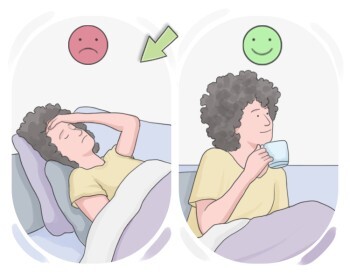
suffering from an illness or injury
bolnav, suferind
Pacientul bolnav a fost internat în spital pentru investigații și tratament suplimentare.
yellowish, sickly, or lacking in healthy color
gălbui, palid
Boala prelungită i-a lăsat o culoare gălbuie a pielii, evidențiind impactul asupra bunăstării sale generale.
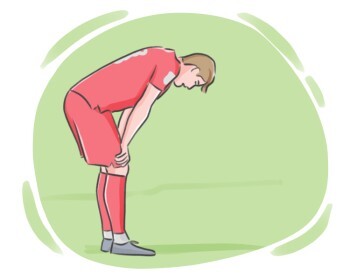
feeling or appearing completely exhausted
epuizat, obosit
Rutina de antrenament intensivă i-a lăsat pe sportivi fizic epuizați, dar mulțumiți de eforturile lor.
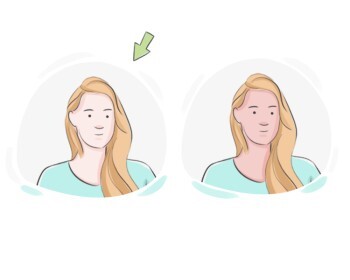
abnormally pale, lacking in color, and often associated with illness, shock, or a lack of vitality
palid, decolorat
Tenul palid al pacientului a stârnit îngrijorare în rândul personalului medical.
weakened and depleted of strength or vitality
slăbit, epuizat
Valul persistent de căldură a lăsat pe toată lumea să se simtă slăbiți și letargici.
looking pale due to being sick or in poor health
livid, pal
Ea părea palidă, tenul ei lipsit de culoare, în timp ce se străduia să se ridice după ce leșinase.
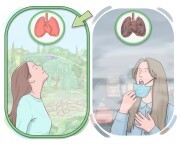
indicating or promoting healthiness and well-being
sănătos, benefic pentru sănătate
Aerul de munte era considerat sănătos, oferind o prospețime viguroasă care îmbolnăvea plămânii.
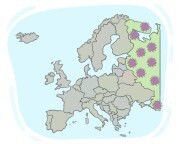
relating to a disease or condition that is commonly found in a specific area or group of people
endemic
Malaria este endemică în regiunile tropicale, unde clima oferă un mediu propice pentru transmiterea bolii.
related to a state in which an individual's immune system is weakened or impaired, making them more susceptible to infections and illnesses
imunocompromis, cu sistem imunitar slabit
Persoanele imunocompromise au un sistem imunitar slăbit.
(of a disease) not showing any symptoms associated with it
asimptomatic
Testarea regulată este esențială pentru a identifica cazurile asimptomatice și a preveni răspândirea virusului.
