pattern

Список Слов Уровня C2 - Состояние Здоровья

Здесь вы узнаете все основные слова для разговора о состоянии здоровья, собранные специально для учащихся уровня C2.

Обзор

Флэш-карточки

формы

Правописание

Тест

Начать учиться
CEFR C2 Vocabulary
palpitation
palpitation
[существительное]

a heart beat that is very irregular or too fast

сердцебиение

сердцебиение

Ex: She kept a diary to track her palpitations, noting any triggers or patterns that might help identify the cause .

Она вела дневник, чтобы отслеживать свои сердцебиения, отмечая любые триггеры или закономерности, которые могут помочь определить причину.

Закрыть
Войти
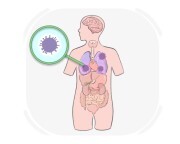
pneumonia
pneumonia
[существительное]

the infection and inflammation of air sacs in one's lungs, usually caused by a bacterial infection that makes breathing difficult

пневмония

пневмония

Ex: Vaccination against common pathogens , such as Streptococcus pneumoniae and influenza virus , can help prevent pneumonia and reduce its severity if contracted .

Вакцинация против распространенных патогенов, таких как Streptococcus pneumoniae и вирус гриппа, может помочь предотвратить пневмонию и уменьшить ее тяжесть, если она будет заражена.

Закрыть
Войти
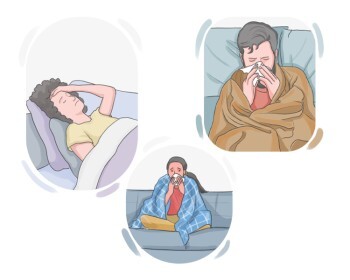
catarrh
catarrh
[существительное]

a medical condition during which mucus accumulates in one's nose, throat, or sinuses and blocks them

насморк

насморк

Ex: During the winter months , many people experience catarrh due to the increased prevalence of respiratory infections .

В зимние месяцы многие люди страдают от катара из-за повышенной распространенности респираторных инфекций.

Закрыть
Войти
malaise
malaise
[существительное]

a feeling of being physically ill and irritated without knowing the reason

недомогание

недомогание

Ex: After recovering from the flu , he experienced lingering malaise, making it difficult to return to his normal routine .

После выздоровления от гриппа он испытывал затяжное недомогание, что затрудняло возвращение к обычному распорядку дня.

Закрыть
Войти
contagion
contagion
[существительное]

any disease or virus that can be easily passed from one person to another

заразная болезнь, Инфекционные заболевания

заразная болезнь, Инфекционные заболевания

Ex: Despite their efforts , the contagion spread rapidly , leading to a significant increase in hospital admissions .

Несмотря на их усилия, зараза быстро распространилась, что привело к значительному увеличению госпитализаций.

Закрыть
Войти
congestion
congestion
[существительное]

a condition where an excess amount of blood or other fluid accumulates in a part of the body, leading to swelling or discomfort

застой, отек

застой, отек

Ex: During allergy season , many people experience congestion due to increased pollen in the air .

Во время сезона аллергии многие люди испытывают заложенность из-за увеличения количества пыльцы в воздухе.

Закрыть
Войти
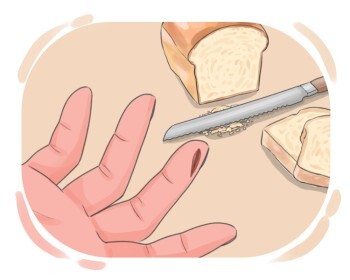
lesion
lesion
[существительное]

an injury or wound to living tissue, often involving a cut, break, or trauma to the skin

поражение, травма

поражение, травма

Ex: Scratches from the fall produced several minor lesions.

Царапины от падения вызвали несколько незначительных поражений.

Закрыть
Войти
ulcer
ulcer
[существительное]

a lesion or sore on the skin that might bleed or even produce a poisonous substance

язва

язва

Ex: The endoscopy revealed an ulcer in the lining of his esophagus , which explained the persistent burning sensation he felt .

Эндоскопия выявила язву в слизистой оболочке его пищевода, что объясняло постоянное чувство жжения, которое он ощущал.

Закрыть
Войти
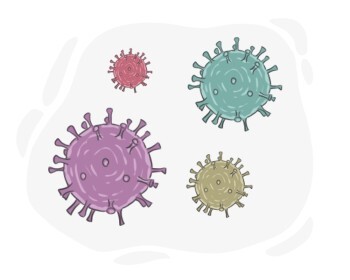
pathogen
pathogen
[существительное]

any organism that can cause diseases

патоген

патоген

Ex: The pathogen responsible for malaria is transmitted to humans through the bite of an infected mosquito .

Патоген, ответственный за малярию, передается человеку через укус зараженного комара.

Закрыть
Войти
indisposition
indisposition
[существительное]

a mild state of being unwell, often leading to a temporary inability to perform one's usual activities

недомогание, нездоровье

недомогание, нездоровье

Ex: The athlete decided to withdraw from the competition due to an unexpected indisposition affecting their performance .

Атлет решил сняться с соревнования из-за неожиданного недомогания, повлиявшего на его результаты.

Закрыть
Войти
bout
bout
[существительное]

a short period during which someone is suffering from an illness

приступ

приступ

Ex: A sudden bout of vertigo caused her to feel dizzy and disoriented , prompting her to sit down and rest .

Внезапный приступ головокружения вызвал у нее головокружение и дезориентацию, заставив ее сесть и отдохнуть.

Закрыть
Войти
patient zero
patient zero
[существительное]

the first person known to have a certain disease, often seen as the starting point of an outbreak

нулевой больной

нулевой больной

Ex: By identifying patient zero early , authorities can implement effective containment measures to control the spread of the disease .

Раннее выявление нулевого пациента позволяет властям внедрить эффективные меры сдерживания для контроля распространения болезни.

Закрыть
Войти
anorexic
anorexic
[существительное]

a person who has an eating disorder characterized by an intense fear of gaining weight and severe food restriction

анорексик

анорексик

Ex: The documentary aimed to raise awareness about the challenges faced by anorexics and the importance of early intervention .

Документальный фильм был направлен на повышение осведомленности о проблемах, с которыми сталкиваются анорексики, и о важности раннего вмешательства.

Закрыть
Войти
morbidity
morbidity
[существительное]

the prevalence of disease or injury within a specific population over a particular period

заболеваемость, распространенность болезни

заболеваемость, распространенность болезни

Ex: Public health campaigns target behaviors that increase morbidity.

Кампании общественного здравоохранения направлены на поведение, которое увеличивает заболеваемость.

Закрыть
Войти
malady
malady
[существительное]

any physical problem that might put one's health in danger

болезнь

болезнь

Ex: The medieval village was plagued by a malady that spread rapidly , causing widespread illness and death .

Средневековая деревня была поражена недугом, который быстро распространялся, вызывая массовые заболевания и смерть.

Закрыть
Войти
affliction
affliction
[существительное]

a state of pain or suffering due to a physical or mental condition

недуг

недуг

Ex: The affliction of migraines made it difficult for her to concentrate and disrupted her daily routine .

Страдание от мигрени затрудняло для нее концентрацию и нарушало ее повседневную рутину.

Закрыть
Войти
valetudinarian
valetudinarian
[прилагательное]

a person who is excessively concerned about their health and often believes they are ill

ипохондрик, мнительный

ипохондрик, мнительный

Ex: The valetudinarian attitude in the family led to regular discussions about health concerns , sometimes overshadowing other topics .

Ипохондрическое отношение в семье привело к регулярным обсуждениям проблем со здоровьем, иногда затмевая другие темы.

Закрыть
Войти
stricken
stricken
[прилагательное]

severely affected by a harmful condition or troubling emotion

cраженный

cраженный

Ex: Many were stricken with malaria during the rainy season.

Многие были поражены малярией в сезон дождей.

Закрыть
Войти
spry
spry
[прилагательное]

energetic and agile, especially in older age

проворный, энергичный

проворный, энергичный

Ex: The spry retiree enjoyed morning jogs in the park, often completing several laps with ease.

Бодрый пенсионер наслаждался утренними пробежками в парке, часто с легкостью преодолевая несколько кругов.

Закрыть
Войти
anemic
anemic
[прилагательное]

relating to a health condition where a person has a lower than normal number of red blood cells, causing fatigue and weakness

анемичный

анемичный

Ex: Despite feeling tired all the time , she initially attributed her symptoms to stress until a blood test confirmed that she was anemic.

Несмотря на постоянное чувство усталости, она изначально списала свои симптомы на стресс, пока анализ крови не подтвердил, что у нее анемия.

Закрыть
Войти
ailing
ailing
[прилагательное]

suffering from an illness or injury

больной

больной

Ex: Sarah's ailing aunt relied on daily medication to manage her heart condition.

Больная тетя Сары полагалась на ежедневные лекарства, чтобы справляться с сердечным заболеванием.

Закрыть
Войти
sallow
sallow
[прилагательное]

yellowish, sickly, or lacking in healthy color

землистый, желтоватый

землистый, желтоватый

Ex: The character in the novel was described as having a sallow face , reflecting the challenging circumstances they faced .

Персонаж в романе был описан как имеющий желтоватое лицо, отражающее трудные обстоятельства, с которыми он столкнулся.

Закрыть
Войти
spent
spent
[прилагательное]

feeling or appearing completely exhausted

истощенный, изнуренный

истощенный, изнуренный

Ex: By the time they finished the project, everyone was spent and ready for a break.

К тому времени, когда они закончили проект, все были измотаны и готовы к перерыву.

Закрыть
Войти
pallid
pallid
[прилагательное]

abnormally pale, lacking in color, and often associated with illness, shock, or a lack of vitality

бледный

бледный

Ex: His pallid face indicated that he had not fully recovered from the flu .

Его бледное лицо указывало на то, что он не полностью оправился от гриппа.

Закрыть
Войти
enervated
enervated
[прилагательное]

weakened and depleted of strength or vitality

изнурённый, ослабленный

изнурённый, ослабленный

Ex: The persistent lack of sleep resulted in an enervated state , impacting both focus and mood .

Постоянный недостаток сна привел к истощенному состоянию, влияя как на концентрацию, так и на настроение.

Закрыть
Войти
ghastly
ghastly
[прилагательное]

looking pale due to being sick or in poor health

мертвенно-бледный

мертвенно-бледный

Ex: The hiker appeared ghastly after being lost in the wilderness for days, his skin clammy and his lips trembling with exhaustion.

Турист выглядел бледным после того, как потерялся в дикой природе на несколько дней, его кожа была липкой, а губы дрожали от изнеможения.

Закрыть
Войти
salubrious
salubrious
[прилагательное]

indicating or promoting healthiness and well-being

целебный, лечебный

целебный, лечебный

Ex: The architect designed the office building with large windows and green spaces to create a salubrious workspace conducive to productivity and well-being .

Архитектор спроектировал офисное здание с большими окнами и зелеными зонами, чтобы создать здоровое рабочее пространство, способствующее продуктивности и благополучию.

Закрыть
Войти
endemic
endemic
[прилагательное]

relating to a disease or condition that is commonly found in a specific area or group of people

эндемичный

эндемичный

Ex: The government implemented vaccination campaigns to address endemic diseases such as measles and polio, aiming to achieve herd immunity within the population.

Правительство реализовало кампании по вакцинации для борьбы с эндемическими заболеваниями, такими как корь и полиомиелит, с целью достижения коллективного иммунитета среди населения.

Закрыть
Войти
immunocompromised
immunocompromised
[прилагательное]

related to a state in which an individual's immune system is weakened or impaired, making them more susceptible to infections and illnesses

иммунокомпрометированный,  иммунодефицитный

иммунокомпрометированный, иммунодефицитный

Ex: Hospitalized patients are more vulnerable to infections if they are immunocompromised.

Госпитализированные пациенты более уязвимы к инфекциям, если они иммунокомпрометированы.

Закрыть
Войти
asymptomatic
asymptomatic
[прилагательное]

(of a disease) not showing any symptoms associated with it

бессимптомный

бессимптомный

Ex: Despite being asymptomatic, the patient was advised to monitor their health closely for any signs of illness .

Несмотря на то, что он был бессимптомным, пациенту было рекомендовано внимательно следить за своим здоровьем на предмет любых признаков болезни.

Закрыть
Войти
LanGeek
Скачать приложение LanGeek