pattern

ACT 人文科学 - ビジネスと経営

組織、リーダーシップ、戦略、業務、従業員、意思決定、職場構造など、ビジネスとマネジメントに関するACT人文科学の語彙を学びましょう。

レビュー

フラッシュカード

語形

綴り

クイズ

学習を開始
ACT Vocabulary for Humanities
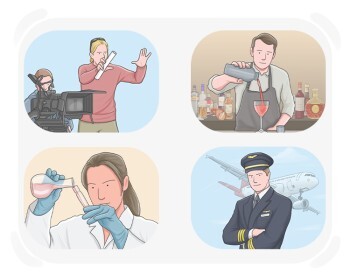
occupation
occupation
[名詞]

a person's profession or job, typically the means by which they earn a living

職業, 仕事

職業, 仕事

Ex: Despite the risks involved, firefighting is a noble and respected occupation dedicated to protecting communities. 
profession
profession
[名詞]

a paid job that often requires a high level of education and training

職業

職業

Ex: The legal profession demands extensive knowledge of the law and strong analytical skills. 
affiliation
affiliation
[名詞]

a connection between a person, group, or organization and another entity, often involving membership, support, or shared identity

所属, 会員資格

所属, 会員資格

Ex: Her affiliation with the university gave her access to research grants. 

彼女の所属は大学との関係で、研究助成金へのアクセスを彼女に与えた。

corporation
corporation
[名詞]

a company or group of people that are considered as a single unit by law

会社, 企業

会社, 企業

Ex: Shareholders met to discuss the future direction of the corporation. 
foundation
foundation
[名詞]

an organization established with a specific mission or purpose, often dedicated to charitable, educational, cultural, or research activities

財団, 基礎

財団, 基礎

Ex: The foundation focuses on environmental conservation and sustainability initiatives. 
enterprise
enterprise
[名詞]

a company

企業, 会社

企業, 会社

Ex: The government provides incentives and support for small enterprise development. 
bureau
bureau
[名詞]

a government department or a division of one responsible for a particular area of work

局,  部局

局, 部局

Ex: The bureau is responsible for issuing business licenses. 
headquarters
headquarters
[名詞]

the place where the main offices of a large company or organization are located

本社, 本部

本社, 本部

Ex: The company's headquarters are located in downtown New York City. 

会社の本社はニューヨーク市のダウンタウンに位置しています。

start-up
start-up
[名詞]

a newly established company or business venture, typically characterized by its innovative approach, early-stage development, and a focus on growth

スタートアップ, 新興企業

スタートアップ, 新興企業

Ex: He launched a tech start-up with his friends. 
portfolio
portfolio
[名詞]

a collection of shares and other investments owned by a person or organization

ポートフォリオ,  ポートフォリオ

ポートフォリオ, ポートフォリオ

Ex: Her portfolio includes shares in several technology companies. 
guild
guild
[名詞]

an association of people who work in the same industry or have similar goals or interests

ギルド, 組合

ギルド, 組合

chief executive officer

the highest-ranking person in a company

最高経営責任者, 執行役員

最高経営責任者, 執行役員

Ex: The CEO announced a new strategy for the company. 

最高経営責任者は会社の新しい戦略を発表しました。

entrepreneur
entrepreneur
[名詞]

a person who starts a business, especially one who takes financial risks

起業家

起業家

Ex: As an entrepreneur, she started her own tech company with just a small investment. 

起業家として、彼女は小さな投資だけで自分のテクノロジー会社を始めました。

to govern
to govern
[動詞]

to control or determine how an activity, process, or situation operates or develops

支配する,  規定する

支配する, 規定する

Ex: Strict rules govern how personal information can be used. 
to administer

to manage or be responsible for the operation of an organization, institution, system, or area

管理する,  運営する

管理する, 運営する

Ex: The committee administers the scholarship program. 
supervision
supervision
[名詞]

the act of watching or overseeing a person, activity, or process to ensure that it is carried out correctly and safely

監督,  監視

監督, 監視

Ex: The children must remain under adult supervision at all times. 
to oversee
to oversee
[動詞]

to observe an activity in order to ensure that everything is done properly

監督する, 監視する

監督する, 監視する

Ex: She was hired to oversee the day-to-day operations of the company. 

彼女は会社の日々の業務を監督するために雇われた。

to preside
to preside
[動詞]

to act in an authoritative role in a ceremony, meeting, etc.

主宰する, 指揮する

主宰する, 指揮する

Ex: The judge will preside over the trial and ensure that proceedings are conducted fairly. 
copyright
copyright
[名詞]

a legal permission to control the production of a book, movie, music, etc.

著作権

著作権

Ex: The author registered the copyright for her novel to prevent unauthorized copies. 
sector
sector
[名詞]

a specific part or branch of an economy, society, or activity with its own distinct characteristics and functions

セクター, 部門

セクター, 部門

Ex: The technology sector has grown rapidly in recent years. 
designation
designation
[名詞]

the act of assigning a person to a specific position or role, typically based on qualifications, skills, or organizational needs

指定

指定

Ex: The designation of head chef was awarded to him after years of dedication and culinary expertise. 

長年の献身と料理の専門知識により、彼はヘッドシェフの任命を受けた。

turnover
turnover
[名詞]

the rate at which employees leave an organization and are replaced by new employees

Ex: The company has a high turnover of junior employees. 
productivity
productivity
[名詞]

the ability to produce useful results efficiently, especially in relation to the time or effort used

生産性,  能率

生産性, 能率

Ex: Regular breaks can improve productivity during long work sessions. 
internship
internship
[名詞]

the initial phase of medical training in which a graduate works under supervision in a hospital or clinic

医学インターンシップ, 医師臨床研修

医学インターンシップ, 医師臨床研修

Ex: She began her medical internship in the emergency department of a city hospital. 

彼女は都市の病院の救急部門で医学インターンシップを始めました。

menial
menial
[形容詞]

(of work) not requiring special skills, often considered unimportant and poorly paid

単純な, 卑しい

単純な, 卑しい

Ex: She took a menial job to support herself during college. 

彼女は大学時代に自分を支えるために単純な仕事に就いた。

inventory
inventory
[名詞]

a detailed list or record of all the items or goods in stock or on hand within a particular location, organization, or system

在庫, 目録

在庫, 目録

Ex: The warehouse manager conducted a monthly inventory count to track stock levels. 

倉庫管理者は、在庫レベルを追跡するために月次在庫カウントを実施しました。

bureaucrat
bureaucrat
[名詞]

a government official or employee who works within a bureaucratic system, typically involved in implementing and administering government policies and procedures

官僚, 公務員

官僚, 公務員

Ex: The bureaucrat processed the paperwork required for citizens to obtain government services. 

官僚は、市民が政府のサービスを受けるために必要な書類を処理した。

sideline
sideline
[名詞]

a secondary or additional line of merchandise or products that complement a company's primary offerings

二次的なライン, 補完的なライン

二次的なライン, 補完的なライン

Ex: The bookstore's sideline in stationery and gift items proved to be popular among customers. 

書店の文房具やギフトアイテムのサイドラインは、顧客の間で人気があることが証明されました。

workshop
workshop
[名詞]

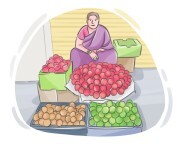
a building or room in which particular goods are made or fixed by different means

工房, ワークショップ
工房, ワークショップ

Ex: He visited the automotive workshop to get his car serviced. 
vendor
vendor
[名詞]

a person who sells goods, especially from a stall, cart, or other small place

売り手,  露天商

売り手, 露天商

Ex: Street vendors were selling fruit and cold drinks. 
parlor
parlor
[名詞]

a shop or business offering specific goods or services

パーラー, 店

パーラー, 店

stall
stall
[名詞]

a small stand, booth, or table from which goods are sold or information is provided

屋台

屋台

Ex: Emma bought fruit from a market stall. 
outsourcing
outsourcing
[名詞]

the practice of contracting external parties to provide goods or services for a company

アウトソーシング,  外部委託

アウトソーシング, 外部委託

Ex: The company reduced costs by outsourcing customer support to an overseas firm. 
bookkeeping
bookkeeping
[名詞]

the systematic recording, organizing, and maintaining of financial transactions of a business or organization

簿記, 帳簿管理

簿記, 帳簿管理

Ex: The small business owner hired a bookkeeper to manage the company's daily bookkeeping tasks. 

中小企業のオーナーは、会社の日々の簿記業務を管理するために簿記係を雇いました。

slogan
slogan
[名詞]

a short memorable phrase that is used in advertising to draw people's attention toward something

スローガン, 標語

スローガン, 標語

Ex: The company's slogan "Just Do It" became synonymous with their brand, inspiring millions of athletes worldwide. 

その会社のスローガン「Just Do It」は彼らのブランドと同義語となり、世界中の何百万人ものアスリートにインスピレーションを与えた。

to telecommute

to work remotely from a location other than the traditional office

テレワークする, リモートワークする

テレワークする, リモートワークする

Ex: The company encourages employees to telecommute during inclement weather to ensure their safety. 

会社は、従業員の安全を確保するために、悪天候時に在宅勤務することを奨励しています。

to induct
to induct
[動詞]

to formally put someone in a position or job, especially with an official ceremony

就任させる, 導入する

就任させる, 導入する

Ex: She has been inducted into the organization's board of directors for her significant contributions. 

彼女はその重要な貢献のために組織の取締役会に就任しました。

commission
commission
[名詞]

a sum of money paid to someone based on the value or quantity of goods they sell

手数料,  パーセンテージ

手数料, パーセンテージ

Ex: The agent received a commission for finding a buyer. 
trademark
trademark
[名詞]

a name or design that exclusively belongs to a particular company or its products

商標, トレードマーク

商標, トレードマーク

to commercialize

to make something into a business or focus on making money from it

商業化する, 収益化する

商業化する, 収益化する

Ex: The company commercialized the technology for mass production. 

その会社は大量生産のために技術を商業化しました。

to decentralize

to transfer decision-making or administrative power from a central authority to local or regional entities

分散化する, 意思決定権を移譲する

分散化する, 意思決定権を移譲する

Ex: The company decided to decentralize its operations, allowing regional offices to make independent decisions tailored to local market conditions. 

同社は、事業を分散化することを決定し、地域事務所が地域の市場状況に合わせた独立した決定を下せるようにしました。

to retail
to retail
[動詞]

to sell goods directly to consumers

小売りする,  小売販売する

小売りする, 小売販売する

Ex: The company manufactures and retails outdoor clothing. 
to appoint
to appoint
[動詞]

to give a responsibility or job to someone

任命する, 指名する

任命する, 指名する

Ex: The president has recently appointed a new advisor to the team. 
to enlist
to enlist
[動詞]

to formally recruit or hire someone for work or participation in an activity

採用する, 募集する

採用する, 募集する

Ex: We need to enlist additional volunteers for the upcoming charity event. 

今度のチャリティーイベントのために追加のボランティアを募集する必要があります。

to recruit
to recruit
[動詞]

to find and hire people to work for a company or organization

採用する,  募集する

採用する, 募集する

Ex: The company plans to recruit fifty new employees this year. 
to mass-produce

to manufacture large quantities of goods or products using standardized methods and machinery

大量生産する, マスプロダクションする

大量生産する, マスプロダクションする

Ex: The automotive company mass-produces vehicles to meet global demand. 

自動車会社は、世界的な需要を満たすために車両を大量生産しています。

to demonetize

to cease to use something as a legal currency or declare it invalid for transactions

廃貨する, 取引に無効と宣言する

廃貨する, 取引に無効と宣言する

Ex: Digital payment systems aim to gradually demonetize cash transactions for convenience and security. 

デジタル決済システムは、利便性と安全性のために現金取引を徐々に非貨幣化することを目指しています。

to stock
to stock
[動詞]

to provide with a supply of something, such as goods or inventory, for use or sale

在庫を補充する, 供給する
在庫を補充する, 供給する

Ex: Retailers are stocking their shelves with back-to-school supplies. 
to clinch
to clinch
[動詞]

to decisively conclude something, such as an argument or a contract

締結する, 決着をつける

締結する, 決着をつける

Ex: After weeks of discussions, the two companies finally clinched the deal with a signed contract. 

数週間の議論の末、両社はついに署名入りの契約で取引を成立させた。

to sponsor
to sponsor
[動詞]

to provide money for a person, activity, event, or project, often in return for publicity or advertising

スポンサーする,  後援する

スポンサーする, 後援する

Ex: Several local businesses sponsored the music festival. 
to streamline

to simplify or improve efficiency in a process, system, or organization by removing unnecessary steps or optimizing resources

合理化する, 効率化する

合理化する, 効率化する

Ex: The company streamlined its production process to reduce manufacturing costs. 

同社は製造コストを削減するために生産プロセスを効率化しました。

LanGeek
LanGeekアプリをダウンロード