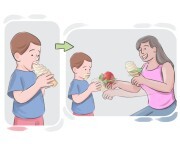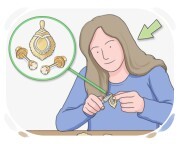

pattern

ACT試験のリテラシー - 有用性と創造

有用性、機能、発明、生産、建設、設計、および物の創造や実用的な使用に関連するACT語彙を学びましょう。

レビュー

フラッシュカード

語形

綴り

クイズ

学習を開始
Essential Vocabulary for ACT
accessory
accessory
[名詞]

something extra that adds to the usefulness or effectiveness of another item

アクセサリー, 補助

アクセサリー, 補助

Ex: The car charger is a handy accessory for keeping devices powered during road trips. 

車の充電器は、ロードトリップ中にデバイスに電力を供給する便利なアクセサリーです。

merit
merit
[名詞]

the quality of being good, valuable, or worthy of praise

長所,  価値

長所, 価値

Ex: The judges evaluated each painting on its artistic merit. 
application
application
[名詞]

the act of utilizing something effectively for a specific purpose or task

応用, 利用

応用, 利用

Ex: His skills found practical application in the project. 
backup
backup
[名詞]

(computing) a copy of computer data that can be used to restore lost or damaged data

バックアップ, 予備コピー

バックアップ, 予備コピー

Ex: It's important to create regular backups of your files to prevent data loss in case of a computer crash. 
makeshift
makeshift
[名詞]

a thing that is used as an inferior and temporary substitute for something that is not available

仮の解決策, 一時的な代用品

仮の解決策, 一時的な代用品

Ex: They used a makeshift as a table during the camping trip, improvising with available materials. 

彼らはキャンプ旅行中に利用可能な材料で即興で作った仮の代用品をテーブルとして使った。

stopgap
stopgap
[名詞]

a temporary solution or measure used to address an immediate problem or issue

一時しのぎ, 暫定対策

一時しのぎ, 暫定対策

Ex: The makeshift tent served as a stopgap until permanent shelters could be built. 

恒久的な避難所が建設されるまで、仮設のテントは一時的な解決策として機能しました。

efficiency
efficiency
[名詞]

the ability to act or function with minimum effort, time, and resources

効率,  効果

効率, 効果

Ex: Home renovations took less time with the contractor's efficiency in planning and order of tasks. 
uptake
uptake
[名詞]

the process of absorbing, using, or taking in something, such as nutrients, information, or resources

吸収, 取り込み

吸収, 取り込み

Ex: The plant's efficient uptake of water and nutrients helped it thrive in the dry soil. 

植物の水と栄養素の効率的な吸収は、乾燥した土壌で繁栄するのに役立ちました。

remainder
remainder
[名詞]

the part of something that is left after the rest has been used, removed, or dealt with

残り,  残余

残り, 残余

Ex: Emma ate half the cake and saved the remainder for later. 
contribution
contribution
[名詞]

someone or something's role in achieving a specific result, particularly a positive one

貢献
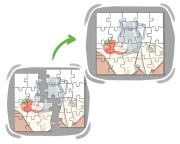
貢献

Ex: Employees are rewarded based on their individual contributions to the company's success. 
complementary
complementary
[形容詞]

useful to each other or enhancing each other's qualities when brought together

補完的な, 互いに補完し合う

補完的な, 互いに補完し合う

Ex: The music and the visuals in the movie are complementary, enhancing the overall viewing experience. 

映画の音楽とビジュアルは補完的で、視聴体験全体を向上させます。

to [be] instrumental in  {sth}

to be an important factor or contributor to a specific result

Ex: Her guidance was instrumental in the project's success. 
versatile
versatile
[形容詞]

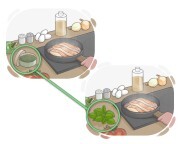
(of things) able to be used or applied in multiple ways or for various purposes

多目的な、さまざまな方法や目的で使用または適用できる

多目的な、さまざまな方法や目的で使用または適用できる

Ex: A versatile wardrobe is essential for traveling, as it allows you to mix and match different outfits. 

旅行には多目的なワードローブが不可欠です。なぜなら、さまざまな服装をミックスしてマッチさせることができるからです。
interchangeable
interchangeable
[形容詞]

capable of being used or exchanged in place of one another

交換可能な, 互換性のある

交換可能な, 互換性のある

Ex: These two words are not completely interchangeable in formal writing. 

これら二つの単語は正式な文章では完全に交換可能ではありません。

alternative
alternative
[形容詞]

available as an option for something else

代替の, 予備の

代替の, 予備の

Ex: There are alternative treatments available for this condition. 
applicable
applicable
[形容詞]

relevant to someone or something in a particular context or situation

適用可能な, 関連する

適用可能な, 関連する

Ex: Please read the instructions carefully and fill out only the sections applicable to your situation. 
substitute
substitute
[形容詞]

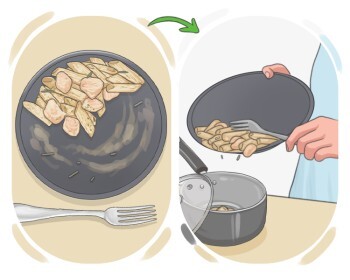
acting as an alternative or replacement for something or somone else

代用の, 代理の
代用の, 代理の

Ex: The substitute goalkeeper made several crucial saves during the match. 
leftover
leftover
[名詞]

a remaining portion of something, often used to describe food that has not been eaten or a material that has not been used up

残り物, 余り

残り物, 余り

Ex: We had leftovers from dinner, so I didn't need to cook today. 

夕食の残り物があったので、今日は料理する必要がありませんでした。

appropriate
appropriate
[形容詞]

suitable or acceptable for a given situation or purpose

適切な, 適当な

適切な, 適当な

Ex: Using formal language is appropriate in a business meeting. 
impractical
impractical
[形容詞]

not practical or feasible

非実用的な, 実行不可能な

非実用的な, 実行不可能な

Ex: Her plan to walk to work in the pouring rain seemed impractical. 

彼女の大雨の中を歩いて仕事に行く計画は非現実的に思えた。

serviceable
serviceable
[形容詞]

able to be used effectively or put to practical use

使用可能な, 機能的な

使用可能な, 機能的な

Ex: Despite its age, the car remained serviceable for daily commuting. 

年齢にもかかわらず、その車は日常の通勤に使える状態のままでした。

informative
informative
[形容詞]

providing useful or valuable information

情報に富んだ, 有益な

情報に富んだ, 有益な

Ex: The informative article offered insights into the latest scientific discoveries. 

情報豊富な記事は、最新の科学的発見についての洞察を提供しました。

to utilize
to utilize
[動詞]

to put to effective use

利用する, 使用する

利用する, 使用する

Ex: The chef demonstrated how to utilize leftover ingredients to create a delicious meal. 

シェフは、残り物の材料を利用して美味しい食事を作る方法を実演しました。

to implement
to implement
[動詞]

to apply or utilize a device, tool, or method for a specific purpose

適用する, 利用する

適用する, 利用する

Ex: The mechanic implemented a new repair method to fix the vehicle's engine. 
to deploy
to deploy
[動詞]

to put into use or action

展開する, 導入する

展開する, 導入する

Ex: The company decided to deploy its new marketing strategy to increase brand awareness. 

同社はブランド認知度を高めるために新しいマーケティング戦略を展開することを決めました。
to adopt
to adopt
[動詞]

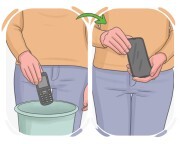
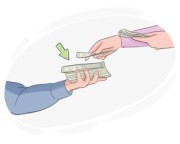
to accept, embrace, or incorporate a particular idea, practice, or belief into one's own behavior or lifestyle

採用する, 受け入れる
採用する, 受け入れる

Ex: It is essential that governments adopt sustainable practices for the well-being of future generations. 
to derive
to derive
[動詞]

to get something from a specific source

引き出す, 得る

引き出す, 得る

Ex: She was able to derive valuable insights from her research on sustainable energy. 
to repurpose
to repurpose
[動詞]

to adapt or modify something for a different use or purpose than its original one

再利用する, 転用する

再利用する, 転用する

Ex: She repurposed old mason jars into stylish candle holders for the party decorations. 

彼女はパーティーの飾り付けのために古いメイソンジャーをスタイリッシュなキャンドルホルダーに再利用しました。

to harness
to harness
[動詞]

to use the power or potential of something effectively for a specific purpose

利用する, 活用する

利用する, 活用する

Ex: The team harnessed solar energy to power their remote research station in the desert. 

チームは砂漠にある遠隔研究ステーションに電力を供給するために太陽エネルギーを利用しました。

to manipulate

to control, operate, or process something skillfully

操作する,  操る

操作する, 操る

Ex: Ethan learned to manipulate the controls of the crane with precision. 
to retrieve
to retrieve
[動詞]

to go and get back something that was lost or left behind

取り戻す, 回収する

取り戻す, 回収する

Ex: She had to retrieve her keys from the office after accidentally leaving them on her desk. 

彼女は机の上に鍵を置き忘れた後、オフィスから鍵を取り戻さなければならなかった。
to reclaim
to reclaim
[動詞]

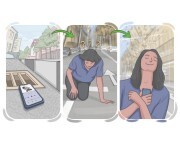
to get back something that has been lost, taken away, etc.

取り戻す, 回復する

取り戻す, 回復する

Ex: After years of legal battles, she finally reclaimed her family's ancestral land. 

長年の法的闘争の末、彼女はついに家族の先祖伝来の土地を取り戻した。

to supersede
to supersede
[動詞]

to take something or someone's position or place, particularly due to being more effective or up-to-date

取って代わる, 置き換える

取って代わる, 置き換える

Ex: The new company guidelines will supersede the outdated policies from last year. 

新しい会社のガイドラインは、昨年の時代遅れのポリシーに取って代わります。

to overtax
to overtax
[動詞]

to impose a heavy tax on something or someone

過剰に課税する, 重い税を課す

過剰に課税する, 重い税を課す

Ex: The new policy threatens to overtax middle-income families, who are already struggling with rising costs. 

新しい政策は、すでにコストの上昇に苦しんでいる中所得世帯に過剰な課税をする恐れがあります。

to double
to double
[動詞]

to serve two purposes or functions simultaneously

また役立つ

また役立つ

Ex: The community center doubles as a shelter during emergencies. 
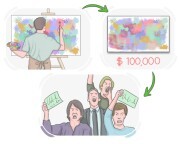
to exploit
to exploit
[動詞]

to make effective or profitable use of a resource, opportunity, or ability

活用する,  利用する
活用する, 利用する

Ex: The company hopes to exploit new opportunities in overseas markets. 
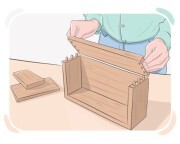
to assemble
to assemble
[動詞]

to make something by fitting its separate parts together

組み立てる, アセンブルする
組み立てる, アセンブルする

Ex: Daniel assembled the new desk in less than an hour. 
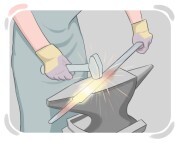
to forge
to forge
[動詞]

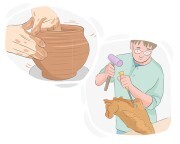
to make something from a piece of metal object by heating it until it becomes soft and then beating it with a hammer

鍛造する, 作る

鍛造する, 作る

Ex: Ancient warriors relied on skilled artisans to forge their weapons. 

古代の戦士たちは、武器を鍛造するために熟練した職人に頼っていました。

to fashion
to fashion
[動詞]

to create or make something by putting different parts or materials together

作る, 形作る

作る, 形作る

Ex: Artisans fashion intricate jewelry by combining various metals and gemstones. 
to construct
to construct
[動詞]

to create something by organizing and combining ideas or components in a logical and coherent way

構築する, 組み立てる

構築する, 組み立てる

Ex: The scientist constructed a hypothesis by carefully organizing existing theories and experimental data. 
to found
to found
[動詞]

to establish or set up the initial structure of something

設立する, 創設する
設立する, 創設する

Ex: The company plans to found a new office in the city next year. 
to generate
to generate
[動詞]

to cause or give rise to something

生成する, 引き起こす
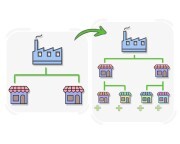
生成する, 引き起こす

Ex: The innovative research generated new insights into the treatment of cancer. 
to spawn
to spawn
[動詞]

to cause something to be created, particularly in large numbers

生み出す, 引き起こす

生み出す, 引き起こす

Ex: The new policy is expected to spawn numerous job opportunities in the tech sector. 

新しい政策は、技術部門で多くの雇用機会を生み出すと期待されています。

to contrive
to contrive
[動詞]

to cleverly come up with an idea, theory, or plan using creative thinking

考案する, 工夫する

考案する, 工夫する

Ex: The detective contrived a clever plan to solve the mysterious case. 

探偵は謎めいた事件を解決するために巧妙な計画を考案した。

to devise
to devise
[動詞]

to invent or design a new object, system, method, or solution by careful thought

考案する

考案する

Ex: Engineers devised a new system for storing solar energy. 
to trigger
to trigger
[動詞]

to cause an event, process, or reaction to begin

引き起こす,  誘発する
引き起こす, 誘発する

Ex: The announcement triggered widespread criticism. 
to craft
to craft
[動詞]

to make or create something with skill and careful attention

作る, 細工する

作る, 細工する

Ex: Emma crafted the bowl from a single piece of wood. 
to establish
to establish
[動詞]

to create a company or organization with the intention of running it over the long term

設立する, 創立する

設立する, 創立する

Ex: The university is looking to establish a new research institute dedicated to renewable energy. 
to fabricate
to fabricate
[動詞]

to create or make up something, especially with the intent to deceive

でっち上げる, 作り上げる

でっち上げる, 作り上げる

Ex: The journalist lost her credibility when it was discovered she'd fabricate stories. 

そのジャーナリストは、話をでっち上げたことが発覚したとき、信頼を失いました。

to originate
to originate
[動詞]

to create, introduce, or develop something for the first time

創始する, 考案する

創始する, 考案する

Ex: Laura originated the idea for the company's mentoring program. 
to cradle
to cradle
[動詞]

to be the birthplace or starting point of something significant

揺りかご, の発祥地である

揺りかご, の発祥地である

Ex: The city of Liverpool cradled the music scene that brought The Beatles to international fame. 

リバプールの街は、ビートルズを国際的な名声に導いた音楽シーンを育んだ。

to launch
to launch
[動詞]

to make a new product or provide a new service and introduce it to the public

発売する, 導入する

発売する, 導入する

Ex: The company successfully launched the eco-friendly product last month. 
to institute
to institute
[動詞]

to establish or introduce something, such as a policy or program

設立する, 制定する

設立する, 制定する

Ex: The government is instituting measures to address climate change. 
LanGeek
LanGeekアプリをダウンロード