pattern

ACT Exam Literacy - Utility and Creation

Here you will learn some English words related to utility and creation, such as "devise", "impractical", "backup", etc. that will help you ace your ACTs.

Review

Flashcards

Forms

Spelling

Quiz

Start learning
Essential Vocabulary for ACT
accessory
accessory
[noun]

something extra that adds to the usefulness or effectiveness of another item

Ex: The car charger is a handy accessory for keeping devices powered during road trips. 
Close
Sign in
merit
merit
[noun]

the quality or worth of something, typically based on its excellence, value, or achievements

Ex: She received a scholarship based on her academic merit and extracurricular achievements. 
Close
Sign in
application

the act of utilizing something effectively for a specific purpose or task

Ex: The application of fertilizer improved the crop yield. 
Close
Sign in
backup
backup
[noun]

(computing) a copy of computer data that can be used to restore lost or damaged data

Ex: It's important to create regular backups of your files to prevent data loss in case of a computer crash. 
Close
Sign in
makeshift
makeshift
[noun]

a thing that is used as an inferior and temporary substitute for something that is not available

Ex: They used a makeshift as a table during the camping trip, improvising with available materials. 
Close
Sign in
stopgap
stopgap
[noun]

a temporary solution or measure used to address an immediate problem or issue

Ex: The makeshift tent served as a stopgap until permanent shelters could be built. 
Close
Sign in
efficiency

the ability to act or function with minimum effort, time, and resources

Ex: Home renovations took less time with the contractor's efficiency in planning and order of tasks. 
Close
Sign in
uptake
uptake
[noun]

the process of absorbing, using, or taking in something, such as nutrients, information, or resources

Ex: The plant's efficient uptake of water and nutrients helped it thrive in the dry soil. 
Close
Sign in
remainder
remainder
[noun]

the part of something that remains after the main part has been used or taken away

Ex: After the meeting, only a small remainder of sandwiches was left on the platter. 
Close
Sign in
contribution

someone or something's role in achieving a specific result, particularly a positive one
Ex: Employees are rewarded based on their individual contributions to the company's success. 
Close
Sign in
complementary
complementary
[Adjective]

useful to each other or enhancing each other's qualities when brought together

Ex: The two colors are complementary and create a harmonious contrast in the painting. 
Close
Sign in
to [be] instrumental in  {sth}

to be an important factor or contributor to a specific result

Ex: Her guidance was instrumental in the project's success. 
Close
Sign in
versatile
versatile
[Adjective]

(of things) able to be used or applied in multiple ways or for various purposes
Ex: A versatile wardrobe is essential for traveling, as it allows you to mix and match different outfits. 
Close
Sign in
interchangeable
interchangeable
[Adjective]

capable of being used or exchanged in place of one another
Ex: These two words are not completely interchangeable in formal writing. 
Close
Sign in
alternative
alternative
[Adjective]

available as an option for something else

Ex: They provided an alternative plan in case the weather turned bad. 
Close
Sign in
applicable
applicable
[Adjective]

relevant to someone or something in a particular context or situation

Ex: Please read the instructions carefully and fill out only the sections applicable to your situation. 
Close
Sign in
substitute
substitute
[Adjective]

acting as an alternative or replacement for something or somone else
Ex: The substitute teacher filled in admirably while the regular teacher was on leave. 
Close
Sign in
leftover
leftover
[noun]

a remaining portion of something, often used to describe food that has not been eaten or a material that has not been used up

Ex: We had leftovers from dinner, so I didn't need to cook today. 
Close
Sign in
appropriate
appropriate
[Adjective]

suitable or acceptable for a given situation or purpose

Ex: Wearing casual attire is appropriate for a picnic. 
Close
Sign in
impractical
impractical
[Adjective]

not practical or feasible

Ex: Building a house on that cliff is an impractical idea. 
Close
Sign in
serviceable
serviceable
[Adjective]

able to be used effectively or put to practical use

Ex: Despite its age, the car remained serviceable for daily commuting. 
Close
Sign in
informative
informative
[Adjective]

providing useful or valuable information

Ex: The informative article offered insights into the latest scientific discoveries. 
Close
Sign in
to utilize

to put to effective use

Ex: The chef demonstrated how to utilize leftover ingredients to create a delicious meal. 
Close
Sign in
to implement

to apply or utilize a device, tool, or method for a specific purpose

Ex: The chef implements a new cooking technique to enhance the flavor of the dish. 
Close
Sign in
to deploy
to deploy
[Verb]

to put into use or action

Ex: The company decided to deploy its new marketing strategy to increase brand awareness. 
Close
Sign in
to adopt
to adopt
[Verb]

to accept, embrace, or incorporate a particular idea, practice, or belief into one's own behavior or lifestyle

Ex: The organization currently adopts eco-friendly policies to reduce its carbon footprint. 
Close
Sign in
to derive
to derive
[Verb]

to get something from a specific source

Ex: She was able to derive valuable insights from her research on sustainable energy. 
Close
Sign in
to repurpose

to adapt or modify something for a different use or purpose than its original one

Ex: She repurposed old mason jars into stylish candle holders for the party decorations. 
Close
Sign in
to harness

to use the power or potential of something effectively for a specific purpose

Ex: The team harnessed solar energy to power their remote research station in the desert. 
Close
Sign in
to manipulate

to skillfully control or work with information, a system, tool, etc.

Ex: She's able to manipulate complex data sets to extract meaningful insights for her research. 
Close
Sign in
to retrieve

to go and get back something that was lost or left behind
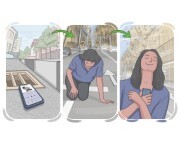
Ex: She had to retrieve her keys from the office after accidentally leaving them on her desk. 
Close
Sign in
to reclaim

to get back something that has been lost, taken away, etc.

Ex: After years of legal battles, she finally reclaimed her family's ancestral land. 
Close
Sign in
to supersede

to take something or someone's position or place, particularly due to being more effective or up-to-date

Ex: The new company guidelines will supersede the outdated policies from last year. 
Close
Sign in
to overtax

to impose a heavy tax on something or someone

Ex: The new policy threatens to overtax middle-income families, who are already struggling with rising costs. 
Close
Sign in
to double
to double
[Verb]

to serve two purposes or functions simultaneously

Ex: The new smartphone case doubles as a wallet, allowing for convenient storage of cards and cash. 
Close
Sign in
to exploit

to utilize or take full advantage of something, often resources, opportunities, or skills

Ex: The innovative chef knew how to exploit the diverse flavors of exotic spices to create unique and delightful dishes. 
Close
Sign in
to assemble

to make something by putting separate parts of something together

Ex: The team of workers assembled the furniture according to the provided instructions. 
Close
Sign in
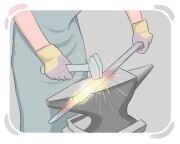
to forge
to forge
[Verb]

to make something from a piece of metal object by heating it until it becomes soft and then beating it with a hammer
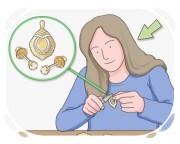
Ex: Ancient warriors relied on skilled artisans to forge their weapons. 
Close
Sign in
to fashion

to create or make something by putting different parts or materials together

Ex: Artisans fashion intricate jewelry by combining various metals and gemstones. 
Close
Sign in
to construct

to create something by organizing and combining ideas or components in a logical and coherent way

Ex: The author constructed a compelling narrative by carefully weaving together multiple plotlines and character arcs. 
Close
Sign in
to found
to found
[Verb]

to establish or set up the initial structure of something
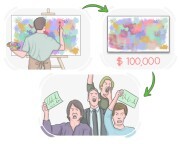
Ex: The pioneers found a settlement on the frontier to cultivate new farmland. 
Close
Sign in
to generate

to cause or give rise to something

Ex: The artist's provocative work generated controversy and debate, challenging societal norms and perceptions. 
Close
Sign in
to spawn
to spawn
[Verb]

to cause something to be created, particularly in large numbers

Ex: The new policy is expected to spawn numerous job opportunities in the tech sector. 
Close
Sign in
to contrive

to cleverly come up with an idea, theory, or plan using creative thinking

Ex: The detective contrived a clever plan to solve the mysterious case. 
Close
Sign in
to devise
to devise
[Verb]

to design or invent a new thing or method after much thinking

Ex: The engineer devised a groundbreaking solution to the complex engineering problem. 
Close
Sign in
to trigger

to cause something to happen

Ex: The economic downturn triggered a series of layoffs within the company. 
Close
Sign in
to craft
to craft
[Verb]

to skillfully make something, particularly with the hands

Ex: She crafts handmade jewelry, carefully assembling each piece with precision. 
Close
Sign in
to establish

to create a company or organization with the intention of running it over the long term

Ex: After years of planning, they finally established their own tech startup in Silicon Valley. 
Close
Sign in
to fabricate

to create or make up something, especially with the intent to deceive

Ex: The journalist lost her credibility when it was discovered she'd fabricate stories. 
Close
Sign in
to originate

to come up with or develop something new

Ex: She originated the concept for the new marketing campaign. 
Close
Sign in
to cradle
to cradle
[Verb]

to be the birthplace or starting point of something significant

Ex: Ancient Greece is often said to cradle the foundations of Western philosophy and democracy. 
Close
Sign in
to launch
to launch
[Verb]

to make a new product or provide a new service and introduce it to the public

Ex: The company will launch its new smartphone next week. 
Close
Sign in
to institute

to establish or introduce something, such as a policy or program

Ex: They instituted new safety protocols to prevent accidents. 
Close
Sign in
LanGeek
Download LanGeek app