pattern

TOEFL のための基本語彙 - 成功と失敗

ここでは、TOEFL試験に必要な「達成する」「理想」「対処する」など、成功と失敗に関するいくつかの英単語を学びます。

復習

フラッシュカード

綴り

クイズ

学習を開始
Essential Words Needed for TOEFL
objective
objective
[名詞]

a goal that one wants to achieve

目的

目的

Ex: The team's objective is to win the championship this season. 

チームの目的は今シーズンのチャンピオンシップを勝ち取ることです。

attempt
attempt
[名詞]

the action or endeavor of trying to complete a task or achieve a goal, often one that is challenging

試み, 挑戦

試み, 挑戦

Ex: The team's attempt to win the championship was admirable, even though they finished second. 

チームの優勝を目指す試みは、彼らが2位に終わったにもかかわらず、賞賛に値するものでした。

breakthrough
breakthrough
[名詞]

an important discovery or development that helps improve a situation or answer a problem

突破口,重要な発見

突破口,重要な発見

Ex: After years of research, they finally achieved a breakthrough in understanding the brain's neural networks. 

何年もの研究の末、彼らはついに脳の神経ネットワークの理解において突破口を開いた。

to accomplish

to achieve something after dealing with the difficulties

達成する,成し遂げる

達成する,成し遂げる

Ex: Through hard work and perseverance, she accomplished her dream of starting her own business. 

懸命な努力と忍耐を通じて、彼女は自分自身のビジネスを始めるという夢を達成しました。

to fulfill
to fulfill
[動詞]

to achieve, realize, or do something that was hoped for, expected, or promised

果たす, 実現する

果たす, 実現する

Ex: Emma finally fulfilled her dream of opening a restaurant. 
battle
battle
[名詞]

an energetic or determined effort to achieve a goal

戦い,闘い

戦い,闘い

Ex: The company faced a battle to recover from declining sales. 

同社は売上減少から回復するための戦いに直面した。

to abandon
to abandon
[動詞]

to stop an activity, effort, or project before it has been completed

Ex: We abandoned the hike when the weather turned dangerous. 
ideal
ideal
[形容詞]

representing the best possible example or standard

理想的,完璧

理想的,完璧

Ex: The peaceful garden provided the ideal setting for a romantic picnic. 

静かな庭園は、ロマンチックなピクニックに理想的な設定を提供しました。

to establish
to establish
[動詞]

to gain lasting recognition, respect, or a secure position through success or achievement

Ex: She quickly established herself as a talented young architect. 
aggressively
aggressively
[副詞]

in a determined and energetic way, aimed at achieving success or winning

精力的に、断固として

精力的に、断固として

Ex: The company is aggressively promoting its new product. 

その会社は新製品を積極的にプロモートしています。

advance
advance
[名詞]

progress or a significant improvement in knowledge, technology, or another area of activity
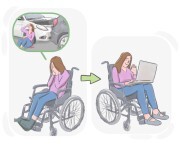
Ex: Recent advances in medicine have improved the treatment of many diseases. 
to cope
to cope
[動詞]

to handle a difficult situation and deal with it successfully

対処する,乗り越える

対処する,乗り越える

Ex: Patients coping with chronic illnesses develop resilience to maintain a high quality of life. 

慢性疾患と向き合う患者は、高い生活の質を維持するために回復力を身につけます。

to invest
to invest
[動詞]

to spend time, energy, or effort on something in the hope of achieving a beneficial result

Ex: They invested their energy into community service, believing it would make a difference. 
to attain
to attain
[動詞]

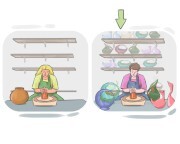
to succeed in achieving or obtaining something, especially after sustained effort

達成する,獲得する
達成する,獲得する

Ex: She worked for years to attain her professional goals. 
productive
productive
[形容詞]

producing desired results through effective and efficient use of time, resources, and effort

生産的な,効率的な

生産的な,効率的な

Ex: The productive meeting resulted in several innovative solutions to the problem. 

生産的な会議の結果、問題に対するいくつかの革新的な解決策が生まれました。

to realize
to realize
[動詞]

to make a desired outcome come true

実現する,達成する

実現する,達成する

Ex: She worked hard to realize her dream of becoming a published author. 

彼女は出版された作家になるという夢を実現するために一生懸命働いた。

to strive
to strive
[動詞]

to try as hard as possible to achieve a goal

努力する,奮闘する

努力する,奮闘する

Ex: Organizations strive to provide exceptional service to meet customer expectations. 

組織は、顧客の期待に応えるために卓越したサービスを提供するよう努めています。

to prosper
to prosper
[動詞]

to grow in a successful way, especially financially

繁栄する,成功する

繁栄する,成功する

Ex: By providing excellent services, the startup managed to prosper and expand its customer base. 

優れたサービスを提供することで、スタートアップは繁栄し、顧客基盤を拡大することができました。

progress
progress
[名詞]

gradual movement toward a goal or a desired state

進歩,前進

進歩,前進

Ex: Despite setbacks, the research team remained committed to their project and continued to make progress in finding a cure. 

挫折にもかかわらず、研究チームはプロジェクトにコミットし続け、治療法の発見において進展を続けました。

to pursue
to pursue
[動詞]

to make continued efforts to obtain something or achieve a particular goal

Ex: The sports team decided to pursue victory in the championship, actively participating in rigorous training sessions. 
ambitious
ambitious
[形容詞]

trying or wishing to gain great success, power, or wealth

野心的な, 野心のある

野心的な, 野心のある

Ex: Always the ambitious student, she dreamed of attending a top university and then establishing her own global enterprise. 

常に野心的な学生である彼女は、トップ大学に通い、その後自分のグローバル企業を設立することを夢見ていました。

desperate
desperate
[形容詞]

feeling or showing a loss of hope accompanied by severe distress

絶望的な, 必死の

絶望的な, 必死の

Ex: Emma felt desperate after weeks of searching for her missing dog. 
failure
failure
[名詞]

the absence of success in achieving a goal

失敗,不成功

失敗,不成功

Ex: The failure of the plan forced them to try a different approach. 
victory
victory
[名詞]

the success that is achieved in a competition, game, war, etc.

勝利

勝利

Ex: The speech marked an important victory for the nation. 

その演説は、国家にとって重要な勝利を記した。

to rise
to rise
[動詞]

to achieve a better life or job position

上昇する,進歩する

上昇する,進歩する

Ex: After years of hard work and dedication, she finally achieved her dream of rising to a managerial role in the company. 

何年もの努力と献身の末、彼女はついに会社で管理職に昇進するという夢を叶えました。

defeat
defeat
[名詞]

the state of having lost in a contest, war, competition, etc.

敗北,失敗

敗北,失敗

Ex: The team suffered a heavy defeat in the final. 
hopeless
hopeless
[形容詞]

having no possibility or expectation of improvement or success

絶望的な,希望のない

絶望的な,希望のない

Ex: After losing everything in the fire, they felt hopeless about rebuilding their lives. 

火事ですべてを失った後、彼らは人生を再建することについて絶望的に感じました。

loss
loss
[名詞]

the act or process of no longer having someone or something

喪失,損失

喪失,損失

Ex: They mourned the loss of their home in the fire. 

彼らは火事で家を失ったことを悼んだ。

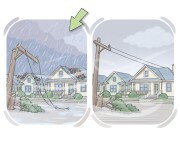
disastrous
disastrous
[形容詞]

very harmful or bad

悲惨な,壊滅的な

悲惨な,壊滅的な

Ex: The storm's disastrous impact left thousands of homes without power. 

嵐の壊滅的な影響により、数千世帯が停電した。

to struggle
to struggle
[動詞]

to put a great deal of effort to overcome difficulties or achieve a goal

奮闘する,努力する

奮闘する,努力する

Ex: The team struggled to adapt to the new project requirements. 

チームは新しいプロジェクトの要件に適応するために苦労しました。

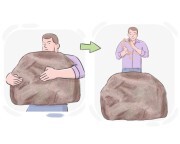
to overcome
to overcome
[動詞]

to successfully deal with or gain control over a difficulty, obstacle, or problem

Ex: Maria worked hard to overcome her fear of public speaking. 
to thrive
to thrive
[動詞]

to grow and develop exceptionally well

繁栄する,栄える

繁栄する,栄える

Ex: Despite the challenges, the small business managed to thrive in a competitive market. 

課題にもかかわらず、その中小企業は競争の激しい市場で繁栄することができた。

obstacle
obstacle
[名詞]

a difficulty or circumstance that prevents or delays progress or success

障害, 妨げ

障害, 妨げ

Ex: Lack of funding became the biggest obstacle to completing the project. 
promising
promising
[形容詞]

indicating potential for success or positive outcomes

有望な,期待できる

有望な,期待できる

Ex: The young artist showed promising talent in her early works. 

その若いアーティストは、初期の作品で 有望な 才能を見せた。

to let down
to let down
[動詞]

to make someone disappointed by not meeting their expectations

期待に応えず人を失望させる, 人をがっかりさせる

期待に応えず人を失望させる, 人をがっかりさせる

Ex: The team's lackluster performance in the second half of the game let their coach down, who had faith in their abilities. 

試合の後半でのチームの精彩を欠いたプレーは、彼らの能力を信じていたコーチをがっかりさせた。

to flourish
to flourish
[動詞]

to become successful, active, or prosperous

繁栄する, 栄える
繁栄する, 栄える

Ex: Michael's business began to flourish after he moved it online. 
fall
fall
[名詞]

a decrease in amount, value, level, or number

Ex: There has been a sharp fall in oil prices. 
to boom
to boom
[動詞]

to grow, develop, or become successful very rapidly

急成長する,爆発的に伸びる

急成長する,爆発的に伸びる

Ex: Online shopping boomed during that period. 
LanGeek
LanGeekアプリをダウンロード