

pattern

책 Total English - 고급 - 유닛 9 - 참조

여기에서는 Total English Advanced 교재의 9과 - 참조에서 "추상적인", "흥미로운", "동정적인" 등의 어휘를 찾을 수 있습니다.

리뷰

플래시카드

형태

철자법

퀴즈

학습 시작
Total English - Advanced
abstract
abstract
[형용사]

existing in thought or as an idea but not having a physical or concrete existence

추상적인, 개념적인

추상적인, 개념적인

Ex: She presented an abstract concept that challenged traditional notions of reality. 
닫기
로그인
striking
striking
[형용사]

exceptionally eye-catching or beautiful

눈에 띄는, 인상적인

눈에 띄는, 인상적인

Ex: She had striking features, with high cheekbones and piercing blue eyes that drew everyone's attention. 
닫기
로그인
avant-garde
avant-garde
[형용사]

innovative, experimental, or unconventional in style or approach, especially in the arts

아방가르드

아방가르드

Ex: The avant-garde filmmaker pushed the boundaries of narrative structure, crafting abstract, non-linear stories that challenged viewers' perceptions of cinema. 
닫기
로그인
tranquil
tranquil
[형용사]

feeling calm and peaceful, without any disturbances or things that might be upsetting

평온한, 고요한

평온한, 고요한

Ex: The tranquil lake mirrored the clear blue sky, offering a perfect escape from the busy world. 
닫기
로그인
colorful
colorful
[형용사]

having a lot of different and often bright colors

화려한, 다채로운

화려한, 다채로운

Ex: The art gallery displayed a collection of colorful paintings and sculptures. 
닫기
로그인
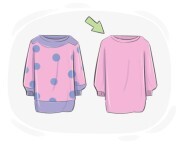
plain
plain
[형용사]

simple in design, without a specific pattern

간단한, 소박한

간단한, 소박한

Ex: She preferred plain dresses with minimal embellishments. 
닫기
로그인
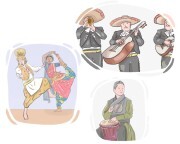
traditional
traditional
[형용사]

belonging to or following the methods or thoughts that are old as opposed to new or different ones

전통적인, 클래식한

전통적인, 클래식한

Ex: The restaurant offers a traditional menu, focusing on familiar comfort foods rather than trendy dishes. 
닫기
로그인
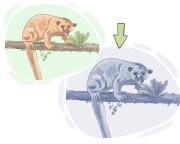
monochrome
monochrome
[형용사]

(of a picture or photograph) containing or portraying images in black and white or different shades of a single color only

단색의, 흑백의

단색의, 흑백의

Ex: The artist's monochrome painting was entirely in shades of gray, creating a striking contrast with the vibrant colors around it. 
닫기
로그인
disturbing
disturbing
[형용사]

causing a strong feeling of worry or discomfort

불안한, 방해가 되는

불안한, 방해가 되는

Ex: The disturbing images in the horror movie lingered in her mind long after it ended. 
닫기
로그인
figurative
figurative
[형용사]

representing people, animals and objects and forms as they appear in the real world

비유적인, 대표적인

비유적인, 대표적인

Ex: The gallery displayed figurative art that captured everyday scenes. 
닫기
로그인
dull
dull
[형용사]

(of colors) not very bright or vibrant

흐릿한, 탁한

흐릿한, 탁한

Ex: His artwork used a palette of dull earth tones, evoking a sense of nostalgia. 
닫기
로그인
stunning
stunning
[형용사]

causing strong admiration or shock due to beauty or impact

놀라운, 아름다운

놀라운, 아름다운

Ex: The stunning landscape of the countryside was captured in the artist's painting. 
닫기
로그인
taste
taste
[명사]

the ability to recognize something with good quality or high standard, especially in art, style, beauty, etc., based on personal preferences

취향

취향

Ex: Her taste in clothing reflects her keen eye for elegant and timeless fashion. 
닫기
로그인
to [be] into {sb/sth}

to have a strong interest or attraction toward a particular person or thing

Ex: He's been into video games since he was a kid and still spends most of his free time playing them. 
닫기
로그인
{one's} cup of tea

a type of activity, subject, etc. that one is very good at or enjoys very much

딱 자기 취향, 자기 스타일

딱 자기 취향, 자기 스타일

Ex: Classical music is really my cup of tea. 
닫기
로그인
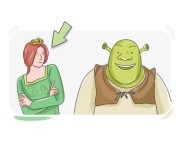
evocative
evocative
[형용사]

bringing strong memories, emotions, or images to mind

상기시키는, 연상시키는

상기시키는, 연상시키는

Ex: The evocative scent of freshly baked bread reminded him of his childhood. 
닫기
로그인
intriguing
intriguing
[형용사]

arousing interest and curiosity due to being strange or mysterious

흥미로운, 신비로운

흥미로운, 신비로운

Ex: The old book contained intriguing symbols and cryptic messages, sparking the reader's curiosity. 
닫기
로그인
quirky
quirky
[형용사]

having distinctive or peculiar habits, behaviors, or features that are unusual but often appealing

별난, 독특한

별난, 독특한

Ex: The quirky café in the neighborhood was known for its mismatched furniture and whimsical décor. 
닫기
로그인
cliched
cliched
[형용사]

lacking originality or freshness

진부한, 흔한

진부한, 흔한

Ex: The film was criticized for its clichéd plot twists that viewers had seen many times before. 
닫기
로그인
breathtaking
breathtaking
[형용사]

incredibly impressive or beautiful, often leaving one feeling amazed

숨막히는, 놀라운

숨막히는, 놀라운

Ex: The ballet performance was simply breathtaking, with its graceful movements and stunning choreography. 
닫기
로그인
novel
novel
[형용사]

new and unlike anything else

새로운, 독창적인

새로운, 독창적인

Ex: Her novel approach to problem-solving impressed the entire team with its creativity and effectiveness. 
닫기
로그인
stereotype
stereotype
[명사]

a widely held but fixed and oversimplified image or idea of a particular type of person or thing

고정관념

고정관념

Ex: The movie relied on a stereotype of teenagers that wasn't true to life. 
닫기
로그인
unconventional
unconventional
[형용사]

not following established customs or norms

비전통적인, 관례에 따르지 않는

비전통적인, 관례에 따르지 않는

Ex: His unconventional style of dress, mixing formal attire with casual elements, always drew attention. 
닫기
로그인
to [break] (new|fresh|) ground

to start something new and innovative that sets an example or leads to significant advancements in a particular field or industry

Ex: The tech startup aimed to break fresh ground in the industry by developing cutting-edge software solutions. 
닫기
로그인
to pique
to pique
[동사]

to trigger a strong emotional reaction in someone, such as anger, resentment, or offense

화나게 하다, 모욕하다

화나게 하다, 모욕하다

Ex: He was piqued by her lack of attention. 
닫기
로그인
curiosity
curiosity
[명사]

a strong wish to learn something or to know more about something

호기심

호기심

Ex: His curiosity led him to explore the old library, hoping to uncover forgotten stories. 
닫기
로그인
to [sit] up and [take] notice

to suddenly become attentive or alert, often due to something surprising or remarkable

Ex: She is sitting up and taking notice of the speaker's words. 
닫기
로그인
classic
classic
[형용사]

simple, traditional, and appealing, with a timeless quality that stays in fashion regardless of trends

클래식한, 시대를 초월한

클래식한, 시대를 초월한

Ex: She wore a classic black dress that looked elegant and timeless. 
닫기
로그인
classical
classical
[형용사]

following a long-established, highly regarded, and standard form, style, or set of ideas

고전적인

고전적인

Ex: The classical concept of beauty emphasizes symmetry and balance. 
닫기
로그인
opportunity
opportunity
[명사]

a situation or a chance where doing or achieving something particular becomes possible or easier

기회, 찬스

기회, 찬스

Ex: Moving to the city presented her with the opportunity to pursue her dream career in fashion. 
닫기
로그인
possibility
possibility
[명사]

the quality of having the capacity to improve, succeed, or develop into something in the future

잠재력, 가능성

잠재력, 가능성

Ex: The new intern shows great possibility for growth within the company. 
닫기
로그인
in the end
in the end
[부사]

used to refer to the conclusion or outcome of a situation or event

결국, 마지막에

결국, 마지막에

Ex: In the end, it was her determination that helped her succeed. 
닫기
로그인
to fit into
to fit into
[동사]

to be accepted or integrated into a group of people who share a common cultural, social, or economic status

적응하다, 어울리다

적응하다, 어울리다

Ex: Moving to a new country can be challenging, but she managed to fit into the local community. 
닫기
로그인
to suit
to suit
[동사]

to be a good or acceptable match for someone or something's preferences, needs, or circumstances

맞다, 적합하다

맞다, 적합하다

Ex: The flexible working hours of the new job suit Sarah's lifestyle perfectly. 
닫기
로그인
vacation
vacation
[명사]

a span of time which we do not work or go to school, and spend traveling or resting instead, particularly in a different city, country, etc.

휴가, 방학

휴가, 방학

Ex: We went on a vacation to Hawaii last summer. 
닫기
로그인
vacancy
vacancy
[명사]

an accommodation that is currently unoccupied and open for use

빈 방, 빈 자리

빈 방, 빈 자리

Ex: The hotel had no vacancy during the holiday weekend. 
닫기
로그인
propaganda
propaganda
[명사]

information and statements that are mostly biased and false and are used to promote a political cause or leader

선전

선전

Ex: The regime used propaganda to control the narrative and maintain public support. 
닫기
로그인
advertising
advertising
[명사]

a paid announcement that draws public attention to a product or service

광고, 선전

광고, 선전

Ex: The company invested heavily in advertising to boost brand awareness. 
닫기
로그인
sensible
sensible
[형용사]

(of a person) displaying good judgment

현명한, 이성적인

현명한, 이성적인

Ex: She’s a sensible friend who always offers sound advice. 
닫기
로그인
sensitive
sensitive
[형용사]

capable of understanding other people's emotions and caring for them

민감한, 공감하는

민감한, 공감하는

Ex: She has a sensitive nature, always attuned to the feelings of those around her. 
닫기
로그인
at the moment

at the same time as what is being stated

Ex: She is busy at the moment. 
닫기
로그인
actually
actually
[부사]

used to emphasize a fact or the truth of a situation

사실은, 실제로

사실은, 실제로

Ex: Many people assumed she was the manager, but, actually, she's a senior consultant. 
닫기
로그인
friendly
friendly
[형용사]

(of a person or their manner) kind and nice toward other people

친절한, 다정한

친절한, 다정한

Ex: Despite his fame, he is a friendly and approachable person. 
닫기
로그인
sympathetic
sympathetic
[형용사]

showing care and understanding toward other people, especially when they are not feeling good

동정적인, 공감하는

동정적인, 공감하는

Ex: The teacher was sympathetic to the student who was struggling with the coursework. 
닫기
로그인
to assist
to assist
[동사]

to help a person in performing a task, achieving a goal, or dealing with a problem

도와주다, 조력하다

도와주다, 조력하다

Ex: The teacher assisted the students in understanding the complex concept. 
닫기
로그인
to attend
to attend
[동사]

to be present at a meeting, event, conference, etc.

참석하다, 출석하다

참석하다, 출석하다

Ex: Employees must attend the mandatory training session next week. 
닫기
로그인
reunion
reunion
[명사]

the act or process of coming together again after being separated

재회,  모임

재회, 모임

Ex: The family planned a reunion after years of living in different countries. 
닫기
로그인
meeting
meeting
[명사]

an event in which people meet, either in person or online, to talk about something

회의, 만남

회의, 만남

Ex: I learned a lot from the training meeting last week. 
닫기
로그인
to prove
to prove
[동사]

to show that something is true through the use of evidence or facts

증명하다,  입증하다

증명하다, 입증하다

Ex: He often proves his point through well-researched arguments. 
닫기
로그인
to test
to test
[동사]

to take actions to check the quality, reliability, or performance of something

시험하다, 검사하다

시험하다, 검사하다

Ex: The mechanic tested the car's brakes to ensure they were functioning properly. 
닫기
로그인
LanGeek
LanGeek 앱 다운로드