

pattern

책 Total English - 고급 - 유닛 3 - 참조

여기에서는 Total English Advanced 교재의 Unit 3 - 참조에서 "냉철한", "터무니없는 이야기", "정교한" 등의 어휘를 찾을 수 있습니다.

리뷰

플래시카드

철자법

퀴즈

학습 시작
Total English - Advanced
plot
plot
[명사]

the events that are crucial to the formation and continuity of a story in a movie, play, novel, etc.

플롯, 줄거리

플롯, 줄거리

Ex: The plot of the novel kept readers on the edge of their seats with its unexpected twists. 
닫기
로그인
biographical
biographical
[형용사]

relating to or describing the life or history of a particular person, often focusing on significant events, achievements, or experiences

전기적인, 전기에 관한

전기적인, 전기에 관한

Ex: The museum featured a biographical exhibit about the artist. 
닫기
로그인
sketch
sketch
[명사]

a brief literary description that presents a scene, character, or event with minimal detail

스케치, 개요

스케치, 개요

Ex: His travel journal contained a sketch of the bustling marketplace. 
닫기
로그인
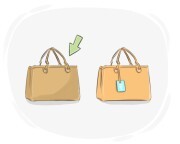
fake
fake
[형용사]

designed to resemble the real thing but lacking authenticity

가짜의, 모조의

가짜의, 모조의

Ex: The counterfeit watch was identified as fake, lacking the quality and craftsmanship of the genuine product. 
닫기
로그인
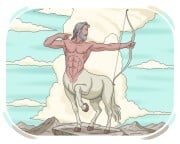
myth
myth
[명사]

a story involving the ancient history of a people, usually about heroes and supernatural events that could be unreal

신화, 전설

신화, 전설

Ex: The myth of the phoenix tells of a bird that rises from its ashes. 
닫기
로그인
tall story
tall story
[명사]

a story that one finds hard to believe because it seems far from reality

믿기 어려운 이야기, 꾸며낸 이야기

믿기 어려운 이야기, 꾸며낸 이야기

Ex: He told us a tall story about encountering a legendary creature during his camping trip. 
닫기
로그인
fairy tale
fairy tale
[명사]

a type of folktale that typically features mythical creatures, magical events, and enchanted settings, often with a moral lesson or a happy ending

동화, 마법 같은 이야기

동화, 마법 같은 이야기

Ex: Children love to immerse themselves in the magical world of fairy tales, where anything seems possible. 
닫기
로그인
legend
legend
[명사]

an old story that is sometimes considered historical although it is not usually proved to be true

전설, 신화

전설, 신화

닫기
로그인
anecdote
anecdote
[명사]

a short interesting story about a real event or person, often biographical

일화, 짧은 이야기

일화, 짧은 이야기

Ex: She shared a funny anecdote about her first day at work. 
닫기
로그인
punch line
punch line
[명사]

the final part of a joke or a humorous story that is intended to make the audience laugh or surprise them with a clever twist or unexpected ending

마지막 한 방, 마지막 웃음 포인트

마지막 한 방, 마지막 웃음 포인트

Ex: The punch line of the joke was so funny that I fell over laughing. 
닫기
로그인
joke
joke
[명사]

something a person says that is intended to make others laugh

농담, 유머

농담, 유머

Ex: He told a funny joke that made everyone at the party laugh. 
닫기
로그인
white lie
white lie
[명사]

a small lie that does not cause any harm, especially told to avoid making someone upset

선의의 거짓말, 해롭지 않은 거짓말

선의의 거짓말, 해롭지 않은 거짓말

Ex: She told her friend a white lie about liking her new haircut, not wanting to hurt her feelings. 
닫기
로그인
rumor
rumor
[명사]

a piece of information or story that is circulated among a group of people, often without being confirmed as true or accurate

소문, 루머

소문, 루머

닫기
로그인
gossip
gossip
[명사]

informal or idle talk about others, especially their personal lives, typically involving details that may not be confirmed or verified

가십, 소문

가십, 소문

Ex: The office was filled with gossip after the new manager arrived. 
닫기
로그인
to elaborate
to elaborate
[동사]

to give more information to make the understanding more complete

자세히 설명하다, 발전시키다

자세히 설명하다, 발전시키다

Ex: The author elaborated on the historical context to provide readers with a deeper understanding of the events. 
닫기
로그인
hoax
hoax
[명사]

a deceptive act or scheme intended to trick people

속임수, 사기

속임수, 사기

Ex: The news about the celebrity’s death turned out to be a hoax. 
닫기
로그인
prone
prone
[형용사]

having a tendency or inclination toward something

경향이 있는, 하기 쉬운

경향이 있는, 하기 쉬운

Ex: He is prone to making impulsive decisions. 
닫기
로그인
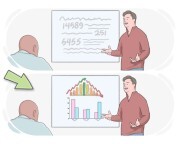
exaggeration
exaggeration
[명사]

the act of overstating or stretching the truth beyond what is accurate or realistic

과장, 과대평가

과장, 과대평가

Ex: He resorted to exaggeration to make his argument seem stronger. 
닫기
로그인
readable
readable
[형용사]

easy, interesting and enjoyable to read

읽기 쉬운, 즐겁게 읽을 수 있는

읽기 쉬운, 즐겁게 읽을 수 있는

Ex: The novel was highly readable, with a smooth and engaging style. 
닫기
로그인
hooked
hooked
[형용사]

addicted to something, particularly to narcotic drugs

중독된, 푹 빠진

중독된, 푹 빠진

Ex: He got hooked on painkillers after his injury. 
닫기
로그인
moving
moving
[형용사]

causing powerful emotions of sympathy or sorrow

감동적인, 감동을 주는

감동적인, 감동을 주는

Ex: The moving speech by the survivor brought tears to the eyes of everyone in the audience. 
닫기
로그인
gripping
gripping
[형용사]

exciting and intriguing in a way that attracts one's attention

흥미진진한, 매혹적인

흥미진진한, 매혹적인

Ex: The gripping novel kept me on the edge of my seat, unable to put it down until I reached the last page. 
닫기
로그인
bookworm
bookworm
[명사]

a person who loves reading books and often spends a lot of time reading

책벌레, 독서광

책벌레, 독서광

Ex: She’s a real bookworm who finishes a novel every week. 
닫기
로그인
one-dimensional
one-dimensional
[형용사]

existing or moving only in one direction or along a single line

일차원의, 선형의

일차원의, 선형의

Ex: A one-dimensional figure, like a line, has only length. 
닫기
로그인
best-selling
best-selling
[형용사]

(of a book or other product) sold in large quantities because of gaining significant popularity among people

베스트셀러,  인기 있는

베스트셀러, 인기 있는

Ex: She wrote a best-selling novel that topped the charts for months. 
닫기
로그인
avid
avid
[형용사]

extremely enthusiastic and interested in something one does

열렬한, 열망하는

열렬한, 열망하는

Ex: He's an avid reader, spending hours immersed in books every day. 
닫기
로그인
to depict
to depict
[동사]

to describe a specific subject, scene, person, etc.

묘사하다,  표현하다

묘사하다, 표현하다

Ex: The artist’s work often depicts scenes from daily life in a vibrant style. 
닫기
로그인
single-minded
single-minded
[형용사]

focusing on one particular goal or purpose, and determined to achieve it

단호한, 결의에 찬

단호한, 결의에 찬

Ex: He was single-minded in his pursuit of a successful career. 
닫기
로그인
self-sufficient
self-sufficient
[형용사]

capable of providing everything that one needs, particularly food, without any help from others

자급자족하는,  독립적인

자급자족하는, 독립적인

Ex: After years of practice, the farm became self-sufficient, growing enough food and resources to sustain itself year-round. 
닫기
로그인
thick-skinned
thick-skinned
[형용사]

not easily affected by criticism, insults or negative comments

두꺼운 피부의, 비판에 쉽게 영향을 받지 않는

두꺼운 피부의, 비판에 쉽게 영향을 받지 않는

Ex: She is thick-skinned and doesn’t let negative comments bother her. 
닫기
로그인
kind-hearted
kind-hearted
[형용사]

having a compassionate and caring nature, showing kindness and generosity toward others

마음씨 좋은, 친절한

마음씨 좋은, 친절한

Ex: The kind-hearted volunteer spent every weekend helping at the local animal shelter. 
닫기
로그인
standoffish
standoffish
[형용사]

reserved, aloof, or distant in one's interactions with others, often conveying a sense of unfriendliness or coldness

냉담한, 조심스러운

냉담한, 조심스러운

Ex: Despite his warm smile, she found him to be rather standoffish at the party, keeping to himself in the corner. 
닫기
로그인
career-oriented
career-oriented
[형용사]

(of a person) prioritizing and focusing on their professional growth, development, and advancement, often with a strong dedication to their chosen career path

경력 지향적인, 경력에 중점을 둔

경력 지향적인, 경력에 중점을 둔

닫기
로그인
level-headed
level-headed
[형용사]

capable of making good decisions in difficult situations

냉정한, 현명한

냉정한, 현명한

Ex: She remained level-headed during the crisis and handled everything efficiently. 
닫기
로그인
absent-minded
absent-minded
[형용사]

failing to remember or be attentive to one's surroundings or tasks due to being preoccupied with other thoughts

멍한, 건망증 있는

멍한, 건망증 있는

Ex: The absent-minded professor often forgot where he left his keys but was brilliant in his field. 
닫기
로그인
farce
farce
[명사]

a play or movie that uses exaggerated humor, absurd situations, and improbable events to entertain

익살극, 희극

익살극, 희극

Ex: The play was a classic farce, filled with mistaken identities and ridiculous twists. 
닫기
로그인
pun
pun
[명사]

a clever or amusing use of words that takes advantage of the multiple meanings or interpretations that it has

말장난, 언어유희

말장난, 언어유희

Ex: She made a clever pun during the meeting that had everyone laughing. 
닫기
로그인
cartoon
cartoon
[명사]

a movie or TV show, made by photographing a series of drawings or models rather than real people or objects

만화, 카툰

만화, 카툰

Ex: My all-time favorite cartoon is 'Tom and Jerry'. 
닫기
로그인
black humor
black humor
[명사]

a type of humor that finds the funny side of difficult or painful situations, often in a way that is considered inappropriate or offensive by some people

블랙 유머, 어두운 유머

블랙 유머, 어두운 유머

Ex: His jokes about death and suffering were filled with black humor. 
닫기
로그인
surreal
surreal
[형용사]

related to an artistic style that emphasizes the bizarre, dreamlike, or irrational, often blending reality with fantasy in unexpected ways

초현실적인, 비현실적인

초현실적인, 비현실적인

Ex: The surreal style of painting uses distorted forms and illogical scenes to create a sense of mystery. 
닫기
로그인
irony
irony
[명사]

a form of humor in which the words that someone says mean the opposite, producing an emphatic effect

반어

반어

Ex: His irony was so sharp that some people didn’t realize he was mocking them. 
닫기
로그인
exaggeration
exaggeration
[명사]

the act of overstating or stretching the truth beyond what is accurate or realistic

과장, 과대평가

과장, 과대평가

Ex: He resorted to exaggeration to make his argument seem stronger. 
닫기
로그인
satire
satire
[명사]

humor, irony, ridicule, or sarcasm used to expose or criticize the faults and shortcomings of a person, government, etc.

풍자, 비꼼

풍자, 비꼼

Ex: Satire in literature often challenges societal norms and conventions. 
닫기
로그인
to [follow] in {one's} footsteps

to try to do the exact same things as others did before one

누군가의 뒤를 따르다, 누군가와 같은 길을 걷다

누군가의 뒤를 따르다, 누군가와 같은 길을 걷다

Ex: She decided to follow in her father's footsteps and pursue a career in medicine. 
닫기
로그인
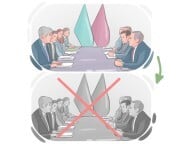
dead end
dead end
[명사]

a situation that shows no signs of progress or improvement

막다른 상황, 앞날이 없는 상황

막다른 상황, 앞날이 없는 상황

Ex: The investigation reached a dead end when the witness disappeared. 
닫기
로그인
frosty
frosty
[형용사]

unfriendly or distant in one's manner or interactions with others

냉담한, 거리감 있는

냉담한, 거리감 있는

Ex: His frosty response made it clear that he was not interested in making new friends. 
닫기
로그인
reception
reception
[명사]

the way in which something is perceived or received by others, often referring to the response or reaction to an idea, message, or product

수용, 반응

수용, 반응

Ex: The movie had a mixed reception, with some critics praising it and others disappointed. 
닫기
로그인
under the weather

feeling unwell or slightly ill

컨디션이 안 좋다, 아프다

컨디션이 안 좋다, 아프다

Ex: I'm feeling a bit under the weather today, so I'll stay home. 
닫기
로그인
stormy
stormy
[형용사]

involving bitter arguments and angry feelings

폭풍우 같은, 격렬한

폭풍우 같은, 격렬한

Ex: The debate became stormy as the two sides clashed over key issues. 
닫기
로그인
to [call] the (shots|tune)

to be in control of a particular situation and be the one who decides what needs to be done

결정권을 쥐다, 최종 결정권을 가지다

결정권을 쥐다, 최종 결정권을 가지다

Ex: In this project, Maria calls the shots. 
닫기
로그인
firing line
firing line
[명사]

the position of being directly involved in a challenging or risky situation

사격선, 최전선

사격선, 최전선

Ex: As the spokesperson, she was in the firing line when the scandal broke. 
닫기
로그인
to struggle
to struggle
[동사]

to put a great deal of effort to overcome difficulties or achieve a goal

투쟁하다, 노력하다

투쟁하다, 노력하다

Ex: He struggled to lift the heavy box onto the shelf, but with determination, he eventually succeeded. 
닫기
로그인
warm
warm
[형용사]

displaying friendliness, kindness, or enthusiasm

따뜻한, 친절한

따뜻한, 친절한

Ex: She greeted us with a warm smile and made us feel right at home. 
닫기
로그인
to set {one's} sights on {sth}

to aim or target something with a specific goal or objective in mind

Ex: She set her sights on becoming a doctor and never wavered. 
닫기
로그인
LanGeek
LanGeek 앱 다운로드