
정보와 객체를 관리하는 동사 - 양과 측정을 위한 동사

여기에서는 "계산하다", "계산하다", "무게를 달다"와 같은 양과 측정을 나타내는 몇 가지 영어 동사를 배우게 됩니다.

review-disable

리뷰

flashcard-disable

플래시카드

spelling-disable

철자법

quiz-disable

퀴즈

학습 시작
정보와 객체를 관리하는 동사
to tally [동사]
اجرا کردن

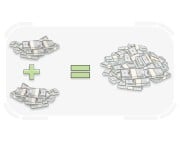
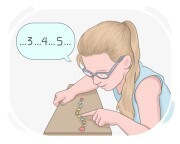
계산하다

Ex: In the game , players tally their points at the end of each round to see who has the highest score .

게임에서 플레이어들은 각 라운드가 끝날 때마다 자신의 점수를 합산하여 누가 가장 높은 점수를 가지고 있는지 확인합니다.
اجرا کردن

열거하다

Ex: The audit enumerates the company 's assets and liabilities for financial reporting .

감사는 재무 보고를 위해 회사의 자산과 부채를 열거합니다.

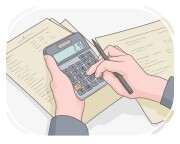
to compute [동사]
اجرا کردن

계산하다

Ex: He computed the distance between the two cities before planning his trip .

그는 여행을 계획하기 전에 두 도시 사이의 거리를 계산했습니다.

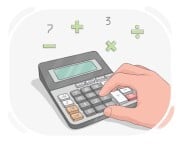
اجرا کردن

계산하다

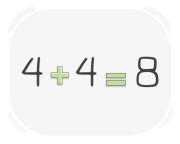
Ex: He calculated the interest on the loan using a simple formula .

그는 간단한 공식을 사용하여 대출 이자를 계산했습니다.

to gauge [동사]
اجرا کردن

측정하다

Ex: She carefully gauged the diameter of the pipe using a micrometer .

그녀는 마이크로미터를 사용하여 파이프의 직경을 조심스럽게 측정했습니다.

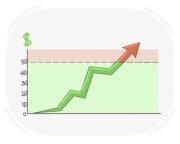
to exceed [동사]
اجرا کردن

초과하다

Ex: The temperature exceeds 100 degrees Fahrenheit during the heatwave .

폭염 동안 기온이 화씨 100도를 초과합니다.

to top [동사]
اجرا کردن

뛰어넘다

Ex: They topped the other company 's offer , securing the contract with a more attractive proposal .

그들은 다른 회사의 제안을 뛰어넘어 더 매력적인 제안으로 계약을 확보했습니다.

to outweigh [동사]
اجرا کردن

우세하다

Ex: The advantages of living in the city outweigh the drawbacks for many people .

도시에 사는 장점은 많은 사람들에게 단점을 능가한다.

اجرا کردن

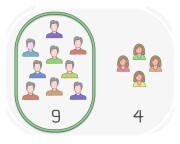
수적으로 앞서다

Ex: The opposing team 's fans outnumbered the home team 's supporters at the stadium .

경기장에서 상대 팀의 팬들이 홈 팀의 지지자들보다 수적으로 앞섰다.

to run over [동사]
اجرا کردن

초과하다

Ex: The marathon ran over because of delays caused by poor weather conditions .

나쁜 날씨 조건으로 인한 지연으로 마라톤이 예상 시간을 초과했습니다.

to number [동사]
اجرا کردن

번호를 매기다

Ex: It 's important to number the participants attending the event for logistical purposes .

행사에 참석하는 참가자들을 물류 목적으로 번호를 매기는 것이 중요합니다.

اجرا کردن

달하다

Ex: The number of participants in both sessions amounts to over 300 people .

두 세션의 참가자 수는 300명 이상에 이릅니다.

to tot up [동사]
اجرا کردن

합계하다

Ex:

구매하기 전에 예산 내에서 지내기 위해 비용을 합산하는 것이 중요합니다.

اجرا کردن

합계하다

Ex:

여행 경비는 총 500달러입니다.

to count [동사]
اجرا کردن

세다

Ex: Yesterday , they counted the inventory to ensure accuracy .

어제, 그들은 정확성을 보장하기 위해 재고를 셌다.

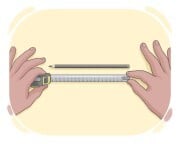
to measure [동사]
اجرا کردن

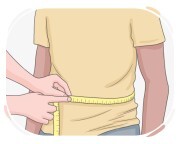
측정하다

Ex: Right now , the engineer is measuring the dimensions of the building .

지금, 엔지니어는 건물의 치수를 측정하고 있습니다.

to meter [동사]
اجرا کردن

측정하다

Ex: The electrician meters the electricity usage in the building .

전기 기술자가 건물의 전기 사용량을 측정합니다.

to size [동사]
اجرا کردن

조정하다

Ex: The graphic designer sizes the image to fit the dimensions of the webpage .

그래픽 디자이너는 웹페이지의 크기에 맞게 이미지를 조정합니다.

to weigh [동사]
اجرا کردن

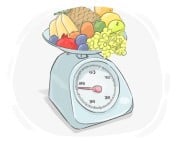
무게를 재다

Ex: The butcher will weigh the meat to calculate the price .

정육점 주인이 가격을 계산하기 위해 고기를 달아 볼 것입니다.

to quantify [동사]
اجرا کردن

정량화하다

Ex: Can you quantify the level of customer satisfaction using a rating scale ?

평가 척도를 사용하여 고객 만족도 수준을 정량화할 수 있습니까?

اجرا کردن

측정하다

Ex: It 's important to mensurate the room before buying furniture to ensure everything fits properly .

가구를 구매하기 전에 모든 것이 제대로 맞도록 방을 측정하는 것이 중요합니다.