
ACT 과학 - 해부학과 유전학
해부학 및 유전학을 위한 ACT 과학 어휘를 배우세요. 신체 구조, 기관, 유전자, 유전, 염색체 및 생물학적 변이를 포함합니다.
리뷰
플래시카드
철자법
퀴즈

a cell or organism containing a single set of unpaired chromosomes, typically denoted as n, representing half the genetic material of a diploid cell

반수체, 반수체 세포
연구자들은 유전적 변이성과 유전 패턴을 이해하기 위해 반수체를 연구하고 있습니다.
a family of transcription factors that play important roles in regulating gene expression in response to various stimuli
초기 성장 반응, 초기 성장 반응 인자
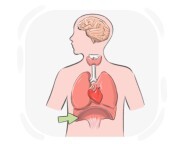
(anatomy) the muscular body partition that separates the chest and abdomen
횡격막, 가로막
횡격막 손상은 제대로 기능하는 능력에 영향을 줄 수 있습니다.
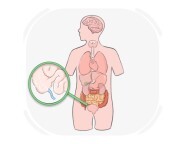
a small, narrow tube attached to the beginning of the large intestine
충수, 막창자꼬리
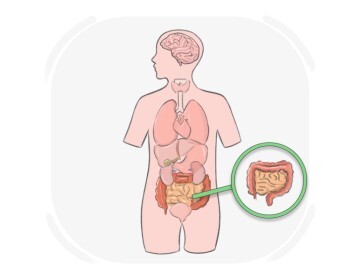
relating to the intestines, which are part of the digestive system responsible for absorbing nutrients and removing waste from the body
장의, 창자의
장 폐쇄는 음식물이나 대변이 장을 통과하는 통로가 막혀 복통과 팽만을 일으키는 의학적 상태입니다.
the front part of the brain involved in higher cognition and executive functions
전전두엽 피질, 전전두엽
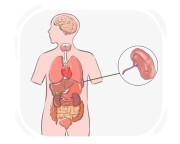
(anatomy) an abdominal organ that controls the quality of the blood cells
비장, 지라
개와 같은 일부 동물에서 비장은 운동 중이나 부상에 대한 반응과 같은 필요 시 수축하여 저장된 혈액을 방출할 수 있습니다.
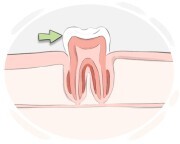
the hard white external layer that covers the crown of a tooth
에나멜, 치아 에나멜
규칙적으로 양치질하고 치실을 사용하는 것은 에나멜 건강을 유지하고 치아 문제를 예방하는 데 도움이 됩니다.
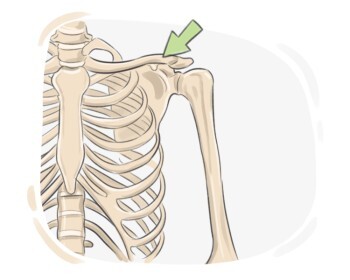
the long, curved bone that connects the shoulder blade to the sternum
쇄골, 클라비클
운동선수들은 접촉 스포츠 중에 자주 쇄골을 다칩니다.
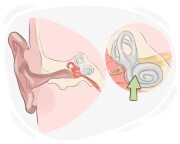
(anatomy) a spiral cavity in the inner ear that contains sensory organs which send nerve signals to the brain in response to vibrations
와우, 달팽이관

the upper part of the human body, excluding the arms and the head
몸통, 상체
법의학자는 사망 원인을 결정하고 희생자를 식별하기 위해 몸통을 조사했습니다.
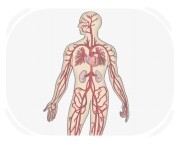
any blood vessel, carrying the blood to different organs of body from the heart
동맥, 혈관
동맥의 벽은 정맥에 비해 더 두껍고 근육질이며, 심장이 펌프하는 혈액의 높은 압력을 견딜 수 있게 합니다.
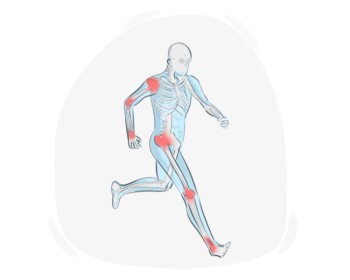
a place in the body where two bones meet, enabling one of them to bend or move around
관절, 접합부
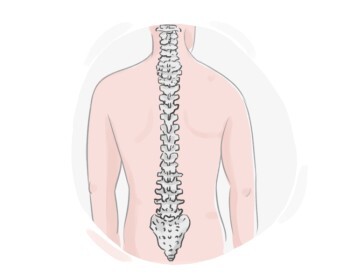
the column of connected bones running down the back that supports the body and protects the spinal cord
(anatomy) a system of interconnected organs or tissues that perform a particular task in the body
관, 계통
relating to the heart or the network of blood vessels encircling it
관상, 심장의
관상 순환은 심근에 산소가 풍부한 혈액을 공급하여 효과적으로 펌프질할 수 있게 합니다.
related to the thyroid gland, a small organ in the neck that produces hormones affecting metabolism and growth
갑상선, 갑상선의
갑상선 장애는 에너지 수준과 체중에 영향을 줄 수 있습니다.
the bone that forms the ankle joint with the tibia and fibula, supporting the body's weight and allowing movement of the foot
거골, 탈루스
외과 의사는 골절된 거골을 수리하기 위해 섬세한 시술을 수행했습니다.
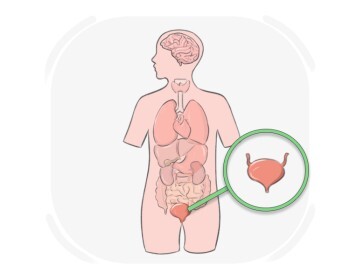
a sac-like organ inside the body where urine is stored before being passed
방광, 오줌통
방광은 최대 600밀리리터의 소변을 보유할 수 있습니다.
relating to processes and behaviors involved in the creation of offspring within a species
생식의
암컷의 생식 주기에는 배란과 월경이 포함됩니다.
relating to any of the five senses
감각의, 감각적인
감각 처리 장애는 뇌가 감각 입력을 해석하고 반응하는 방식에 영향을 미칩니다.
relating to the sense of touch or the ability to perceive objects by touch
촉각의, 촉감과 관련된
시각 장애인은 주변을 탐색하고 물체와 상호 작용하기 위해 촉각 신호에 크게 의존합니다.
(anatomy) connected with the sensory part of the eye that sends signals to the brain, called retina
망막의, 망막과 관련된
related to the ability of hearing
청각의, 청각과 관련된
청각 신경은 내이에서 뇌로 해석을 위해 신호를 전달합니다.
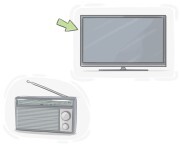
relating to sight or vision
광학의, 시각의
망원경은 관측을 위해 먼 천체를 확대하기 위해 광학 렌즈를 사용합니다.
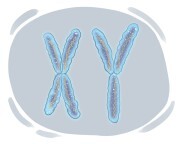
(genetics) a thread-like structure of DNA that carries genes inside the cell nucleus
the genetic makeup of an organism, determined by the combination of genes inherited from its parents
유전자형
인간의 다양성은 부모 양쪽의 유전 물질의 조합에서 비롯된 다양한 유전자형의 영향을 받습니다.
the observable physical and behavioral characteristics of an organism, resulting from the interaction of its genotype (genetic makeup) with the environment
표현형, 관찰 가능한 특성
꽃의 색깔, 꽃잎의 모양, 식물의 높이는 식물의 표현형입니다.
to receive a physical or mental characteristic genetically from a parent or ancestor
물려받다, 유전하다
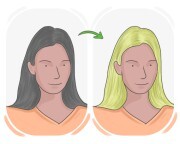
to make partial changes to something, usually to improve it or make it more suitable
수정하다
the passing down of traits from one generation to another within a family
혈통, 계보
그녀는 자신의 왕실 혈통을 자랑스러워했으며, 그녀의 조상을 고대 왕들과 왕비들까지 거슬러 올라갔습니다.
a person from whom other offsprings are descended
조상, 선구자
회사의 창립자들은 혁신의 선구자였으며, 그들의 획기적인 아이디어로 산업을 혁신했습니다.
(biology) containing genes from a different species that have been inserted artificially
형질전환의
a specialist in or student of the branch of biology that deals with how individual features and different characteristics are passed through genes
유전학자, 유전학 전문가
유전학자는 인간 게놈을 매핑하고 암과 관련된 특정 유전자를 식별하기 위해 첨단 기술을 사용했습니다.
the complete set of genetic material of any living thing
게놈
연구원들은 코로나바이러스의 게놈을 연구하여 변이를 추적하고 효과적인 백신을 개발하고 있습니다.
a visual display of an individual's chromosomes, used for genetic analysis and identifying abnormalities
핵형, 염색체 프로필
의사들은 신생아의 유전적 장애를 확인하기 위해 핵형을 사용합니다.
the practice of improving the genetic quality of a human population through selective breeding and other methods
우생학
우생학은 20세기 초에 두드러졌지만 논란이 많은 연구 분야였습니다.
one of two or more alternative forms of a gene that arise by mutation and are found at the same place on a chromosome
대립 유전자, 유전적 변이체
열성 대립유전자는 다른 열성 대립유전자와 짝을 이룰 때만 표현형으로 나타납니다.
(of a gene or trait) showing its specific appearance only when an individual inherits it from both parents
열성의, 잠재적인
(of genes) causing a person to inherit a particular physical feature, even if it is only present in one parent's genome
우성의, 지배적인
the process by which information from a gene is used to synthesize functional gene products, such as proteins, which can influence an organism's traits
유전자 발현, 유전자 표현
a genetic condition in which an individual has three copies of a chromosome instead of the usual two
삼염색체성, 염색체 이상
삼염색체성은 종종 발달 및 신체적 이상을 초래합니다.
the region of a chromosome where the two sister chromatids are joined and where the spindle fibers attach during cell division
센트로미어, 동원체
각 염색체는 세포 분열에 필수적인 단일 센트로미어를 가지고 있습니다.
a DNA sequence that has the same order of nucleotides on each side of the complementary DNA strands
회문, 회문 서열
the branch of genetics that studies the structure and function of chromosomes using microscopic and molecular techniques
세포유전학, 세포 유전학
세포유전학 실험실은 염색체 이상을 감지하기 위해 핵형 분석을 수행했습니다.
any chromosome that is not involved in determining sex, present in pairs in both males and females, and carrying most of an individual's genetic information
상염색체, 비성염색체
세포 분열 동안, 상염색체는 성 염색체와 동일한 복제 및 분리 과정을 겪습니다.
the process of introducing foreign DNA or RNA into eukaryotic cells to study gene function or manipulate gene expression
형질전환, 외래 DNA 또는 RNA의 도입 과정
in a manner that is related to genetics or genes
유전적으로, 유전적인 방식으로
장애는 유전적 돌연변이나 이상을 확인하기 위해 유전적으로 분석되었습니다.
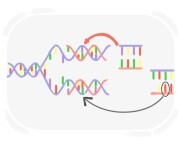
(biology) a change in the structure of the genes of an individual that causes them to develop different physical features
돌연변이, 유전적 변화
그의 유전자에 돌연변이가 생겨, 부모 모두 갈색 눈을 가졌음에도 불구하고 아이는 파란 눈으로 태어났다.
