
ACT 과학 - 생화학 및 세포 구조
단백질, 효소, 막, 세포소기관, 대사 및 세포 과정을 포함한 생화학과 세포 구조를 위한 ACT 과학 어휘를 배우세요.
리뷰
플래시카드
철자법
퀴즈

a substance found in the cell walls of plants, providing structure and making up dietary fiber

셀룰로오스, 식이 섬유
채식 버거는 식물성 결합제로 셀룰로오스를 함유하고 있습니다.
a natural sugar found in fruits and honey, often used to sweeten foods and drinks
과당, 과일 설탕
그것은 다양한 음식과 음료에서 감미료로 흔히 사용됩니다.
(biochemistry) a simple sugar that is the main source of energy for cells in the body
포도당, 글루코스
a short chain of amino acids linked together, which can function as a building block for proteins or act as a signaling molecule in the body
펩타이드, 아미노산의 짧은 사슬
효소는 소화를 쉽게 하기 위해 단백질을 더 작은 펩타이드로 분해했습니다.
a type of pigment found in plants, algae, and some bacteria, responsible for bright red, yellow, and orange colors and important for photosynthesis and antioxidant activity
카로티노이드, 카로티노이드 색소
플라밍고 깃털의 분홍색은 그들의 식단인 조류와 갑각류에 있는 카로티노이드에서 비롯됩니다.
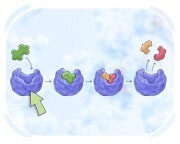
a biological molecule, usually a protein, that speeds up a specific chemical reaction without being consumed in the process
효소, 엔자임
the entire set of proteins expressed by a cell, tissue, or organism at a specific time under defined conditions
프로테옴, 단백질의 전체 집합
이 연구는 건강한 조직과 병든 조직의 프로테옴을 비교하여 단백질 발현의 차이를 확인했습니다.
a molecule that forms the basic building block of DNA and RNA, consisting of a sugar, a phosphate group, and a nitrogenous base
뉴클레오티드
DNA 또는 RNA에서 뉴클레오티드의 사슬은 종종 가닥 또는 서열이라고 불립니다.
a simple sugar molecule, the most basic form of carbohydrates that cannot be further hydrolyzed
단당류
포도당, 일반적인 단당류는 세포 호흡을 촉진합니다.
a fundamental compound derived from glutamic acid, integral to biological functions and known for its role as a neurotransmitter in the central nervous system
글루타메이트, 글루타믹 산에서 유래된 기본 화합물로
뇌의 뉴런은 세포 간 신호를 전달하기 위해 신경 전달 물질로 글루타메이트를 사용합니다.
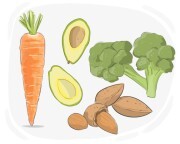
a substance, such as vitamin E, that helps clean the body of harmful substances
항산화제
호두는 항산화제의 좋은 공급원이었고, 이는 심장 건강에 좋은 간식 옵션으로 만들었다.
(biochemistry) an oily or fatty molecule that does not dissolve in water and is a key building block of cell membranes
지질, 리피드
relating to or characteristic of mitochondria, which are organelles found in cells responsible for energy production
미토콘드리아의, 미토콘드리아 관련
미토콘드리아 기능 장애는 신경 장애 및 근력 약화를 포함한 다양한 건강 문제로 이어질 수 있습니다.
the gel-like, semifluid substance within a cell that surrounds the organelles, providing a medium for cellular activities, including metabolism, transport of substances, and support for cellular structures
세포질, 세포질 물질
생화학적 반응을 포함한 세포 대사는 세포질에서 일어납니다.
a green pigment found in all green plants and cyanobacteria that is responsible for the absorption of the sunlight needed for the photosynthesis process
엽록소, 녹색 색소
가을 동안, 낙엽 식물에서 엽록소가 분해되어 다른 색소가 드러나고 잎의 색이 변하게 됩니다.
a thin layer of living tissue that covers, lines, connects, or separates parts of an organism
막, 세포막
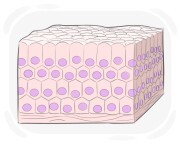
a group of similar cells that work together to form a particular part of a human, animal, or plant
조직, 생체 조직
a cellular organelle involved in the processing, packaging, and distribution of proteins and lipids within the cell, consisting of a stack of flattened membrane sacs called cisternae
골지체, 골지 복합체
신경 세포에서 골지체는 신경 섬유를 보호하는 지방 물질인 미엘린 형성에 기여합니다.
a tiny structure within cells that assembles proteins by reading the genetic instructions carried by messenger RNA
리보솜
mRNA를 따라 리보솜의 조정된 움직임은 유전 정보의 정확한 판독을 보장합니다.
a small, enzyme-filled sac in a cell that breaks down waste materials and unwanted substances
리소좀, 효소로 가득 찬 작은 주머니
리소좀은 손상되었거나 제대로 작동하지 않는 세포 구성 요소를 분해함으로써 세포 관리에 중요한 역할을 합니다.
a cell organelle in plants, fungi, and some protists that stores nutrients, manages waste, and helps maintain cell pressure
액포, 소포
효모 세포의 액포는 영양분을 저장하여 영양분 부족 시 생존을 돕습니다.
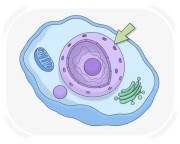
(biology) the part of a cell that contains most of the genetic information
핵, 누클레우스
a plant cell organelle that uses sunlight to produce energy and make glucose through photosynthesis
엽록체, 광합성 세포소기관
엽록소 외에도, 엽록체는 광합성 동안 다양한 파장의 빛을 포착하는 데 도움이 되는 다른 색소를 포함하고 있습니다.
a network of protein fibers in a cell that gives it shape, supports its structure, and aids in movement
세포골격, 세포 스켈레톤
세포골격은 세포 내 운반에 관여하여 소포와 세포소기관을 그들의 목적지로 안내합니다.
a branch of biology concerning the scientific study of the form and structure of an organism including plants and animals
형태학, 생물의 형태와 구조에 대한 과학적 연구
a specialized, membrane-bound structure within a cell that performs specific functions, contributing to the cell's overall structure and function
세포소기관, 오르가넬라
골지 장치는 쌓인 막을 가진 세포소기관으로, 단백질을 수정하고 포장합니다.
a layer of actively dividing cells in plants, responsible for secondary growth by producing new xylem and phloem tissues
형성층, 분열 조직
캄비움 세포는 물 운반을 위한 목부와 식물 전체에 영양분을 운반하는 체관부로 분화합니다.
