
Książka Total English - Zaawansowany - Jednostka 3 - Lekcja 1
Tutaj znajdziesz słownictwo z Unitu 3 - Lekcji 1 w podręczniku Total English Advanced, takie jak "rzekomo", "wydać na świat", "wyzwolony" itp.
Przegląd
Fiszki
formy
Pisownia
Test


the act of entering another country or territory by military force, especially in order to occupy or control it

inwazja, najazd
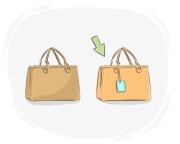
real and not an imitation
autentyczny, prawdziwy
Starożytna waza została potwierdzona jako autentyczna przez ekspertów, co gwarantuje jej wartość historyczną.
truly what something appears to be, without any falseness, imitation, or deception
prawdziwy, autentyczny
Pierścionek z diamentem został potwierdzony jako autentyczny, z autentycznymi kamieniami szlachetnymi i metalami szlachetnymi.

to complete or conduct a task, job, etc.
przeprowadzić, wykonać zadanie lub pracę
Technik przeprowadzi rutynową konserwację maszyn, aby zapobiec potencjalnym problemom.
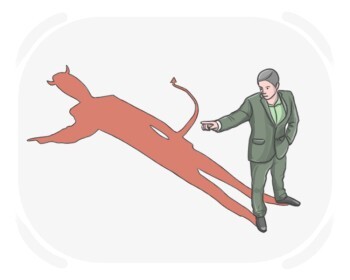
to deceive someone into believing something that is not true
oszukać, zwieść
(of a place or building) far away from any other place, building, or person
odizolowany, odległy
Odizolowana latarnia morska stała samotnie na skalistym wybrzeżu, prowadząc statki na morzu.
a deceptive act or scheme intended to trick people
oszustwo, mistyfikacja
Odkrycie naukowca okazało się być wymyślnym oszustwem.
to spoil, damage, or destroy something severely
rujnować
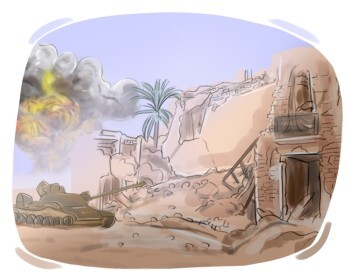
to cause damage to something in a way that it no longer exists, works, etc.
niszczyć, zniszczyć

to behave in a way intended to make others believe something that is not true
udawać, pozorować
related or belonging to a period of history that is long gone
starożytny, dawny
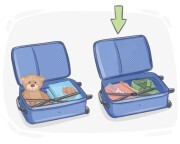
absolutely necessary and of great importance
istotny, niezbędny
free from traditional or conventional social norms or expectations, often suggesting a sense of empowerment or rebellion
wyzwolony, emancypowany
Po przeprowadzce do nowego miasta stał się bardziej wyzwolony w swoich wyborach.
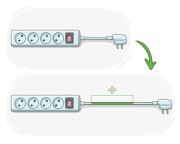
to enlarge or lengthen something
przedłużać, rozszerzać
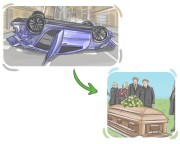
extremely sad or unfortunate, often because of a terrible event or circumstances
tragiczny, smutny
Tragiczne utonięcie małego dziecka było wstrząsającym wydarzeniem dla społeczności.
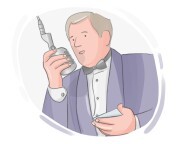
to make plans or decisions known by officially telling people about them
ogłaszać, zawiadamiać
a person or thing that announces or signals an important or significant event, development, or message
herold, posłaniec
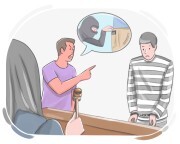
used to say that something is the case without providing any proof
rzekomo, domniemanie
Celebryta rzekomo wygłosił niestosowne komentarze podczas publicznego wydarzenia.
used to suggest that something is assumed to be true, often with a hint of doubt
rzekomo, podobno
Mapa skarbów rzekomo prowadzi do ukrytej wyspy z niewyobrażalnymi bogactwami.
the act of showing oneself to the public
pojawienie się, obecność

the act of arriving at a place from somewhere else
przybycie, przyjazd

an act of violence or aggression against a place or a person
atak, napad
to commit a harmful, illegal, or immoral act, such as a crime or an offense
popełniać, dokonywać
Przestępca przyznał się do popełnienia serii włamań w sąsiedztwie.

to follow or run after someone or something in order to catch or reach them
gonić, ścigać
to go after someone or something, particularly to catch them
ścigać, gonić
to make a person believe something untrue
oszukiwać, zwodzić
Poczuła się zraniona, gdy odkryła, że jej partner ją oszukał w sprawie ich planów.

to deceive someone in order to deprive them of something, such as money, property, or information
oszukiwać, kantować
to carry out or execute a task, duty, action, or ceremony, often in a formal or official capacity
wykonywać, przeprowadzać

to perform an action that is not mentioned by name
robić, wykonywać
to tell someone officially or formally to do something
instruować, polecać
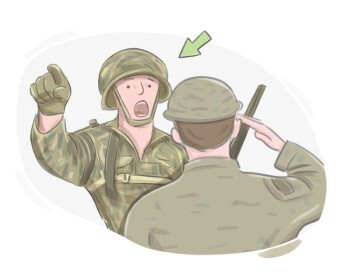
to give an instruction to someone to do something through one's authority
rozkazywać, nakazywać

to guide or show the direction for others to follow
prowadzić, kierować
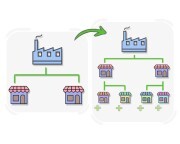
to cause something to be created, particularly in large numbers
rodzić, generować
Platformy mediów społecznościowych mogą zapoczątkować wirusowe trendy, które szybko się rozprzestrzeniają.

to grow in number, amount, size, or value
wzrastać, rosnąć

to move slowly and gently on water or through the air
unosić się
