pattern

Książka Total English - Średnio zaawansowany wyższy - Jednostka 5 - Odniesienie - Część 2

Tutaj znajdziesz słownictwo z Unitu 5 - Referencje - Część 2 w podręczniku Total English Upper-Intermediate, takie jak "szerokość", "rękawiczka", "pociąg" itp.

Przegląd

Fiszki

formy

Pisownia

Test

Zacznij naukę
Total English - Upper-intermediate
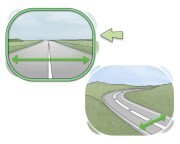
broad
broad
[przymiotnik]

having a large distance between one side and another

szeroki, rozległy
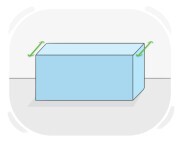
szeroki, rozległy

Ex: The road widened into a broad highway as we approached the city. 
breadth
breadth
[Rzeczownik]

the distance between two sides of something

szerokość, rozpiętość

szerokość, rozpiętość

Ex: The architect considered the breadth of the hallway to ensure it wasn't too narrow. 

Architekt wziął pod uwagę szerokość korytarza, aby upewnić się, że nie jest zbyt wąski.

to broaden
to broaden
[Czasownik]

to become larger in scope or range

poszerzać, rozszerzać

poszerzać, rozszerzać

Ex: As the company grows, its influence within the industry is expected to broaden. 

W miarę rozwoju firmy oczekuje się, że jej wpływ w branży się poszerzy.
high
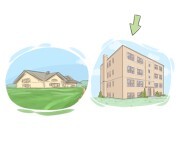
high
[przymiotnik]

having a relatively great vertical extent

wysoki
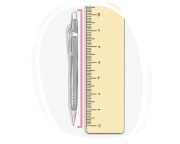
wysoki

Ex: The high mountain peaks were covered in snow. 
height
height
[Rzeczownik]

the distance from the top to the bottom of something or someone

wysokość

wysokość

Ex: He checked the height of the doorway to make sure the furniture would fit through. 
to heighten
to heighten
[Czasownik]

to raise something above its current position

podnosić, zwiększać

podnosić, zwiększać

Ex: To improve the view, the city decided to heighten the observation deck on the skyscraper. 

Aby poprawić widok, miasto postanowiło podwyższyć taras widokowy na wieżowcu.
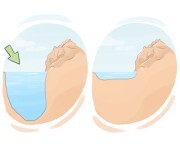
deep
deep
[przymiotnik]

having a great distance from the surface to the bottom

głęboki
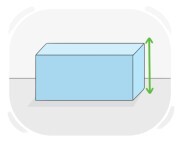
głęboki

Ex: The ocean is incredibly deep, with some parts reaching depths of over 36,000 feet. 
depth
depth
[Rzeczownik]

the distance below the top surface of something

głębokość, dno

głębokość, dno

Ex: The depth of the ocean is immeasurable in some areas. 
to deepen
to deepen
[Czasownik]

to intensify or strengthen something, making it more significant or extreme

pogłębiać, wzmacniać

pogłębiać, wzmacniać

Ex: Years of research have deepened our knowledge of the natural world. 

Lata badań pogłębiły naszą wiedzę o świecie przyrody.
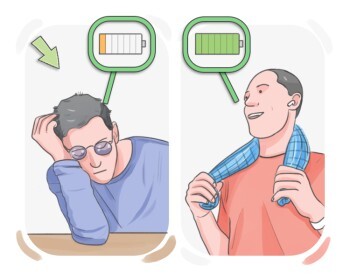
low
low
[przymiotnik]

small or below average in degree, value, level, or amount

niski, mały

niski, mały

Ex: She was raising three kids on a low income. 
freerunning
freerunning
[Rzeczownik]

a sport that involves using acrobatic movements to navigate obstacles and terrain, often in urban environments, with an emphasis on creativity and self-expression

parkour, sztuka przemieszczania się

parkour, sztuka przemieszczania się

Ex: Freerunning lets people express themselves through movement, using everyday obstacles in creative ways. 

Freerunning pozwala ludziom wyrażać siebie poprzez ruch, wykorzystując codzienne przeszkody w kreatywny sposób.

open water
open water
[Rzeczownik]

any body of water that is not contained within a defined or enclosed area

otwarta woda, przestrzeń wodna
otwarta woda, przestrzeń wodna

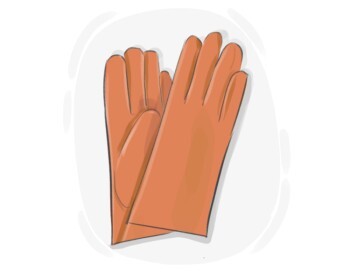
glove
glove
[Rzeczownik]

a covering for the hand and wrist with separate sections for the thumb and fingers, worn for warmth or protection

rękawica,  rękawiczka

rękawica, rękawiczka

Ex: The gardener removed his gloves before answering the phone. 
competitive
competitive
[przymiotnik]

referring to a situation in which teams, players, etc. are trying to defeat their rivals

konkurencyjny, rywalizacyjny

konkurencyjny, rywalizacyjny

Ex: He enjoys participating in competitive gaming tournaments. 

Lubi brać udział w konkurencyjnych turniejach gier.

addictive
addictive
[przymiotnik]

(of a substance, activity, behavior, etc.) causing strong dependency, making it difficult for a person to stop using or engaging in it

uzależniający, nałogowy

uzależniający, nałogowy

Ex: Social media apps are designed to be addictive, keeping users scrolling for longer. 

Aplikacje mediów społecznościowych są zaprojektowane tak, aby były uzależniające, utrzymując użytkowników przewijających dłużej.
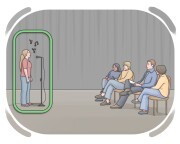
participant
participant
[Rzeczownik]

a person who takes part in an activity, event, or process

uczestnik
uczestnik

Ex: The conference attracted participants from more than twenty countries. 
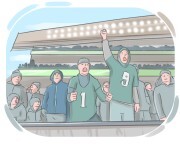
spectator
spectator
[Rzeczownik]

a person who watches sport competitions closely

widz, obserwator

widz, obserwator

Ex: A true sports fan, she never missed a chance to be a spectator at live events, soaking in the atmosphere and excitement. 

Prawdziwa fanka sportu, nigdy nie przegapiła okazji, by być widzem na żywo, wchłaniając atmosferę i ekscytację.
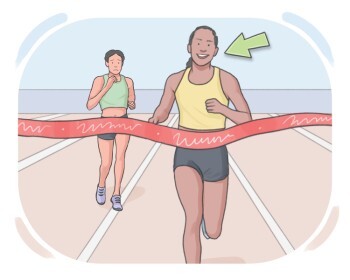
to win
to win
[Czasownik]

to become the most successful, the luckiest, or the best in a game, race, fight, etc.

wygrać, zwyciężyć
wygrać, zwyciężyć

Ex: Our team won the championship after a hard-fought season. 
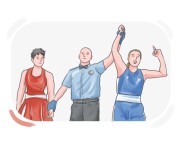
to beat
to beat
[Czasownik]

to get more points, votes, etc. than the other side, in a game, race, competition, etc. and win

pokonać, pobić

pokonać, pobić

Ex: The basketball team played exceptionally and beat their rivals to clinch the championship. 
to [take] part

to participate in something, such as an event or activity

Ex: Even though she wasn't feeling her best, she still managed to take part. 
to train
to train
[Czasownik]

to teach a specific skill or a type of behavior to a person or an animal through a combination of instruction and practice over a period of time

trenować, uczyć

trenować, uczyć

Ex: The coach regularly trains the team on new strategies for the game 
successful
successful
[przymiotnik]

getting the results you hoped for or wanted

udany, odnoszący sukcesy

udany, odnoszący sukcesy

Ex: Our school has a successful sports program. 

Nasza szkoła ma udany program sportowy.
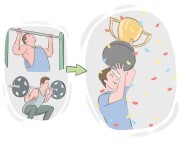
achievement
achievement
[Rzeczownik]

the action or process of reaching a particular thing

osiągnięcie, realizacja
osiągnięcie, realizacja

Ex: He beamed with pride as he recounted his achievement of climbing the highest peak in the country. 
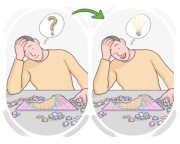
to find out
to find out
[Czasownik]

to get information about something after actively trying to do so

dowiedzieć się, zdobyć informacje przez poszukiwanie

dowiedzieć się, zdobyć informacje przez poszukiwanie

Ex: We have to find the truth out about this situation. 

Musimy dowiedzieć się prawdy o tej sytuacji.
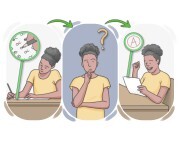
to turn out
to turn out
[Czasownik]

to emerge as a particular outcome

ostatecznie okazać się, zakończyć się określonym wynikiem

ostatecznie okazać się, zakończyć się określonym wynikiem

Ex: They didn't expect many peopleIt turned out that the vintage wine was worth far more than they had anticipated. 

Nie spodziewali się wielu ludzi. Okazało się, że wino rocznikowe było warte znacznie więcej, niż się spodziewali.

to work out
to work out
[Czasownik]

to exercise in order to get healthier or stronger

ćwiczyć, ćwiczyć aby być zdrowszym lub silniejszym

ćwiczyć, ćwiczyć aby być zdrowszym lub silniejszym

Ex: I try to work out at least three times a week for better cardiovascular health. 

Staram się ćwiczyć przynajmniej trzy razy w tygodniu dla lepszego zdrowia sercowo-naczyniowego.
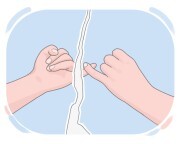
to fall out
to fall out
[Czasownik]

to no longer be friends with someone as a result of an argument

pokłócić się, zerwać przyjaźń

pokłócić się, zerwać przyjaźń

Ex: Political differences caused the neighbors to fall out, leading to a strained relationship. 

Różnice polityczne spowodowały, że sąsiedzi pokłócili się, co doprowadziło do napiętych relacji.

to give out
to give out
[Czasownik]

to distribute something among a group of individuals

rozdawać, rozdzielić wśród grupy

rozdawać, rozdzielić wśród grupy

Ex: The volunteers give blankets out to the homeless on cold winter nights. 

Wolontariusze rozdają koce bezdomnym w mroźne zimowe noce.

to put out
to put out
[Czasownik]

to make something stop burning or shining

zgasić, sprawić że coś przestanie się palić lub świecić

zgasić, sprawić że coś przestanie się palić lub świecić

Ex: He forgot to put out his cigarette, causing a small burn on the carpet. 

Zapomniał zgasić papierosa, powodując małe przypalenie na dywanie.

to sort out
to sort out
[Czasownik]

to resolve a problem or difficulty by finding a solution or answer

rozwiązać, uporządkować

rozwiązać, uporządkować

Ex: They managed to sort out the financial issues and secure funding for the project. 

Udało im się rozwiązać problemy finansowe i zabezpieczyć finansowanie projektu.
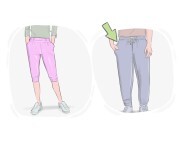
long
long
[przymiotnik]

(of two points) having an above-average distance between them

długi, wydłużony

długi, wydłużony

Ex: The long distance between their homes didn't deter them from maintaining a close friendship. 
length
length
[Rzeczownik]

the distance from one end to the other end of an object that shows how long it is

długość

długość

Ex: What is the length of the hallway? 
to lengthen
to lengthen
[Czasownik]

to increase the length or duration of something

wydłużać, przedłużać

wydłużać, przedłużać

Ex: The tailor recommended lengthening the trousers to ensure they reached the proper hemline. 

Krawiec zalecił wydłużenie spodni, aby upewnić się, że sięgają odpowiedniej linii dołu.
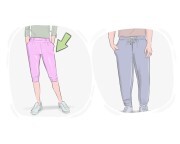
short
short
[przymiotnik]

having a below-average distance between two points

krótki, zwięzły

krótki, zwięzły

Ex: The short stretch of road between the two towns was well-maintained and easy to drive on. 
to shorten
to shorten
[Czasownik]

to decrease the length of something

skrócić, zmniejszyć

skrócić, zmniejszyć

Ex: She shortened the dress to make it fit better. 

Skróciła sukienkę, aby lepiej leżała.

wide
wide
[przymiotnik]

having a large length from side to side

szeroki, rozległy

szeroki, rozległy

Ex: The river was wide, spanning several hundred meters across. 
width
width
[Rzeczownik]

the measurement of something from one side or edge to the other

szerokość
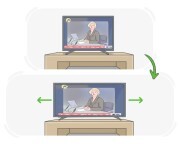
szerokość

Ex: The river varies greatly in width along this stretch. 
to widen
to widen
[Czasownik]

to become greater in width or distance from side to side

poszerzać się,  rozszerzać się

poszerzać się, rozszerzać się

Ex: Daniel's eyes widened when he saw the final bill. 
to run out
to run out
[Czasownik]

to use the available supply of something, leaving too little or none

skończyć się, wyczerpać

skończyć się, wyczerpać

Ex: We've run out of milk, so I'll go buy some. 

Skończyło nam się mleko, więc pójdę kupić.

LanGeek
Pobierz aplikację LanGeek