
Książka Street Talk 2 - Bliższe Spojrzenie: Lekcja 3
Odkryj dodatkowe słownictwo, wyrażenia, znaczenia i użycie z lekcji 3 Street Talk 2, bliżej przyglądając się językowi używanemu w lekcji.
Przegląd
Fiszki
Pisownia
Test

used to refer to a pacifier, especially a small, soft object given to infants to suck on for comfort

smoczek, dummy
Dziecko nie przestawało płakać, dopóki nie dostało swojego smoczka.
used to refer to a small or young bird, often used in a casual or affectionate manner
ptaszek, mały ptak
Dzieci obserwowały, jak mały ptaszek skacze po ogrodzie.
used to refer to a blanket, especially in a childish or affectionate manner
kocyk, kołderka
Malec nie chciał iść spać bez swojej ulubionej kołderki.
used to imitate the sound of crying or to express mock sympathy, often in response to an injury, accident, or exaggerated sadness
buuhuu, płacz
Po potknięciu się o zabawkę usiadł na ziemi i zaczął buhu.
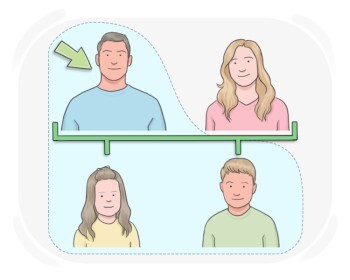
an informal or intimate name for fathers, used especially by children or when talking to children
tata, tatuś
Jego tata czytał mu bajkę na dobranoc każdej nocy.
used to refer to a diaper, particularly in a playful or affectionate way, often used for babies or young children
pielucha, pampers
Dziecko zaczęło płakać, ponieważ jego didy trzeba było zmienić.
used to refer to feces or excrement, often used in a playful or childish manner
kupa, kaka
Maluch powiedział, że musi iść do łazienki, bo musi zrobić kupę.
used to refer to a type of pajamas, typically one-piece, that cover the entire body and have attached foot coverings
piżama ze stopami, kombinezon ze stopami
used to refer to a horse in a playful, childish, or affectionate way
konik, kucyk
Dziewczynka udawała, że jedzie na koniku, galopując po podwórku.

(usually plural and used by children) a loose and light two-piece garment worn in bed
piżama, pidżama
used to refer to a small or affectionate kiss, often in a playful or childlike manner
buziak, czuły pocałunek
Dała swojemu misiowi delikatnego buziaka przed pójściem spać.
to make something dirty, often in a playful or innocent context
used to refer to feces or waste matter in a playful or childlike manner, often used by young children when referring to going to the bathroom
kupa
Dziecko zaśmiało się, podając matce brudną pieluchę i mówiąc: "Zrobiłem kupę!"
to be polite or friendly especially when trying to improve a situation or relationship
used to refer to a cat in a playful or childlike manner, often used by young children
miau-miau, kotek-kotek
Dziewczynka wskazała z podekscytowaniem i powiedziała: "Patrz, miau-miau!"
used to refer to a cow in a playful or childlike manner, often mimicking the sound a cow makes
mu-mu, krowa-krowa
Maluch klasnął w dłonie i wskazał na farmę, krzycząc: "Patrz, mu-mu!"
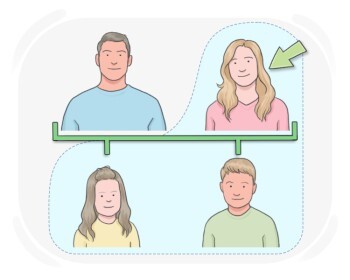
an informal or intimate name for mothers, used especially by children or when talking to children
mama, mamusia
Pomogła swojej mamie nakryć do stołu na obiad.
used to refer to a nap in a playful or childlike manner, often spoken to young children
drzemka-drzemka, spanko-spanko
Bądź grzeczny, a potem możesz zrobić drzemkę-drzemkę po obiedzie.
used to refer to a horse in a playful or childlike manner, often mimicking the sound a horse makes
iha-ha, konik
Dziewczynka wskazała na farmę i pisnęła: "Patrz, ihaha!"
used to refer to bedtime or sleep in a playful or childlike manner, often used when speaking to young children
noc-noc, pora spać
Jest późno, kochanie. Czas na spanko!
used to refer to a minor injury, such as a scrape or bruise, in a playful or childlike manner
bobo, zadrapanie
Mamo, przewróciłem się i mam ból w kolanie!
to urinate, often used in a way that is informal
siusiu, sikać
W czasie treningu nocnikowego, skupiono się na nauczeniu dziecka robienia siku w toalecie.
(said in a playful or childlike manner) to defecate
robić kupę, srać
"Muszę zrobić kupkę," powiedział maluch, biegnąc do nocnika.
used to refer to bedtime or the act of going to sleep in a playful or childlike manner
czas spania, spanko
Jest późno, czas na spanko!
(used in a playful or childlike manner) to urinate
siusiu, robić tee-tee
"Muszę **siusiu"," powiedziało dziecko, biegnąc do łazienki.
(used in a playful or childlike manner) to urinate
siusiać, robić siku
used to refer to the feet or toes in a playful or childlike manner
stópki, paluszki
Spójrz na te małe stópki w wodzie!
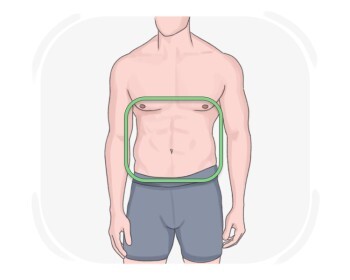
(used especially by children) the stomach or the middle part of the body
brzuszek, brzuch
used to refer to the sound a bird makes or a bird itself in a playful or childlike manner
ćwir-ćwir, ptaszek
Spójrz na ćwir-ćwir na drzewie!
to urinate, often used in a playful or childish manner
siusiu, robić wee-wee
Szczeniak został nauczony siusiać na komendę, aby ułatwić trening domowy.
