
Abilități Lexicale pentru SAT 6 - Lecția 27
Revizuire
Fișe de studiu
Ortografie
Chestionar


considered to be of small importance or value

neînsemnat, mărunt
A irosit timpul discutând despre detalii neînsemnate în loc să se concentreze asupra problemei principale.
extremely important, to the point that it is not allowed to be condemned or changed
sacrosant, inviolabil
Ritualul familial era sacrosanct pentru ea, având o semnificație personală și culturală profundă.
(of language or music) clear and easy to understand
limpede, clar
Proza limpede a vorbitorului a făcut ideile complexe accesibile tuturor din public.
suggesting or indicating evil, harm, or danger
sinistru, rău intenționat
Schemele lui sinistre aveau ca scop subminarea reputației rivalului său.
unwilling or unable to change because of tradition or convention
îngust la minte, rigid
În ciuda peisajului tehnologic în schimbare, unele industrii rămân înguste în metodele lor tradiționale.
displaying simplicity, immaturity, or inexperience
simplist, lipsit de experiență
Abordarea lui simplistă a problemei complexe reflecta lipsa lui de experiență și de înțelegere.
sluggish or falling behind in progress, development, or pace compared to others
întârziat, lent
Au apărut preocupări pentru profesor când ritmul lent al elevului a devenit evident în progresul său.
playing or singing musical notes with short, distinct intervals between them
staccato, întrerupt
Degetele pianistului dansau peste clape, producând o melodie staccato.
passed away or deceased
decedat, răposat
Cândva un muzician renumit, acum decedat, melodiile sale încă rezonează în inimile ascultătorilor săi.

peaceful and calm, not easily excited, irritated, angered, or upset
liniștit, calm
Ea a rămas liniștită în ciuda haosului din jurul ei.

feeling calm and peaceful, without any disturbances or things that might be upsetting
timp, liniștit
Lacul tranchil reflecta cerul albastru limpede, oferind o evadare perfecta din lumea aglomerata.
lacking courage or integrity in one's actions
laș, ticălos
Acțiunile lăfăitoare pe care le-a întreprins pentru a sabota afacerea concurentului său au revelat lipsa lui de integritate.

(of weather) unpleasantly cold and often windy
sumbru, rece și vântos
Ziua de iarnă sumbră a fost caracterizată de ceruri gri și vânturi tăioase.
acting violently or irrationally due to extreme anger or excitement
turbat, în furie
Când a văzut daunele la mașina sa, a înnebunit și a început să țipe.
bored or indifferent due to overexposure to worldly pleasures or experiences
blazat
După ani de călătorii de lux, ea era indiferentă la ideea de a vizita încă o insulă tropicală.
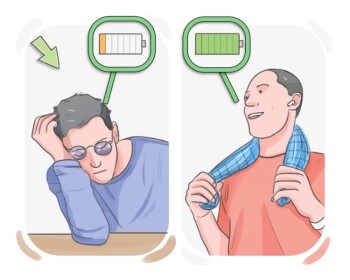
lacking in quantity, quality, or extent
modest, insuficient
Familia a supraviețuit cu un venit modest, luptând să se descurce.
(of a time) ideal for achieving a particular purpose or reaching success
oportun
Sugestia ei opportună a ajutat proiectul să evite un mare regres.
done spontaneously or without prior preparation
improvizat, spontan
A ținut un discurs improvizat la conferință, impresionând pe toată lumea cu abilitatea ei de a vorbi fără pregătire.
