pattern

Список Слов Уровня C1 - Здоровье

Здесь вы выучите некоторые английские слова о здоровье, такие как "аборт", "костыль", "лекарство" и т.д., подготовленные для учащихся уровня C1.

Обзор

Флэш-карточки

формы

Правописание

Тест

Начать учиться
CEFR C1 Vocabulary
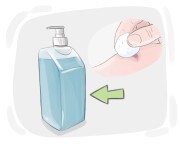
antiseptic
antiseptic
[существительное]

a substance that prevents infection when applied to a wound, especially by killing bacteria

антисептик

антисептик

Ex: The doctor recommended using an antiseptic mouthwash to maintain oral hygiene.

Врач рекомендовал использовать антисептический ополаскиватель для рта для поддержания гигиены полости рта.

Закрыть
Войти
abortion
abortion
[существительное]

the intentional ending of a pregnancy, often done during the early stages

аборт

аборт

Ex: The medical team discussed the risks and benefits of abortion procedures with the patient before she made her decision .

Медицинская команда обсудила риски и преимущества процедуры аборта с пациенткой до того, как она приняла решение.

Закрыть
Войти
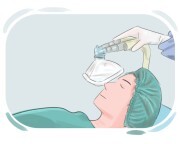
anesthetic
anesthetic
[существительное]

a type of drug that makes the whole or part of the body unable to feel pain when administered

анестетик

анестетик

Ex: Some patients experience temporary numbness or tingling at the injection site after receiving an anesthetic.

Некоторые пациенты испытывают временное онемение или покалывание в месте инъекции после получения анестетика.

Закрыть
Войти
blood type
blood type
[существительное]

any of the types into which human blood is divided

группа крови, тип крови

группа крови, тип крови

Ex: A child 's blood type is determined by the combination of their parents ' blood types, following specific genetic rules .

Группа крови ребенка определяется комбинацией групп крови его родителей, следуя определенным генетическим правилам.

Закрыть
Войти
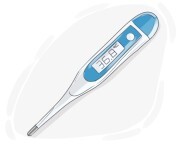
thermometer
thermometer
[существительное]

a device used to measure a person's body temperature to assess for fever or abnormal temperature

термометр

термометр

Ex: The chef used a candy thermometer to monitor the temperature of the caramel sauce as it cooked.

Шеф использовал термометр для конфет, чтобы контролировать температуру карамельного соуса во время приготовления.

Закрыть
Войти
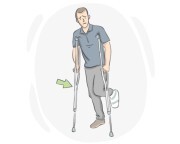
crutch
crutch
[существительное]

one of a pair of sticks that people with movement difficulties put under their arms to help them walk or stand

костыль

костыль

Ex: He leaned heavily on his crutch as he made his way down the hospital corridor , recovering from surgery .

Он сильно опирался на свою костыль, пробираясь по больничному коридору, восстанавливаясь после операции.

Закрыть
Войти
healing
healing
[существительное]

the process of becoming healthy again after an injury or illness

исцеление

исцеление

Ex: Physical therapy plays a crucial role in facilitating the healing of sports injuries .

Физиотерапия играет ключевую роль в облегчении заживления спортивных травм.

Закрыть
Войти
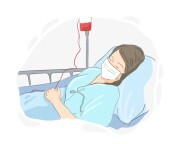
hospitalization
hospitalization
[существительное]

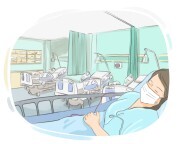
the act of admitting a patient into a hospital for clinical care, observation, or treatment

госпитализация

госпитализация

Ex: Rapid triage at the emergency department determined who needed hospitalization and who could go home .

Быстрая сортировка в отделении неотложной помощи определила, кому нужна госпитализация, а кто может отправиться домой.

Закрыть
Войти
informed consent
informed consent
[существительное]

permission given by a patient to receive a particular treatment, informed of all the possible consequences and risks

осознанное согласие

осознанное согласие

Ex: Informed consent is a fundamental principle in medical ethics , ensuring patients have sufficient information to make informed decisions about their healthcare .

Информированное согласие — это фундаментальный принцип медицинской этики, обеспечивающий, чтобы пациенты имели достаточную информацию для принятия обоснованных решений о своем медицинском обслуживании.

Закрыть
Войти
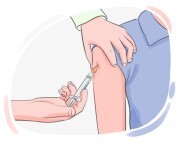
injection
injection
[существительное]

the action of putting a drug into a person's body using a syringe

инъекция

инъекция

Ex: The athlete received a pain-relieving injection before the game to manage a recurring injury .

Спортсмен получил обезболивающую инъекцию перед игрой, чтобы справиться с повторяющейся травмой.

Закрыть
Войти
placebo
placebo
[существительное]

a medicine without any physiological effect that is given to a control group in an experiment to measure the effectiveness of a new drug or to patients who think they need medicine when in reality they do not

плацебо

плацебо

Ex: Placebo-controlled studies help researchers determine if the observed effects of a new treatment are due to the medication's pharmacological properties or psychological factors.

Плацебо-контролируемые исследования помогают исследователям определить, являются ли наблюдаемые эффекты нового лечения следствием фармакологических свойств лекарства или психологических факторов.

Закрыть
Войти
remedy
remedy
[существительное]

a treatment or medicine for a disease or to reduce pain that is not severe

средство

средство

Ex: The herbalist suggested a remedy made from chamomile and lavender to promote relaxation and sleep .

Травник предложил средство, сделанное из ромашки и лаванды, чтобы способствовать расслаблению и сну.

Закрыть
Войти
specimen
specimen
[существительное]

a small amount of something such as urine, blood, etc. that is taken for examination

образец

образец

Ex: A blood specimen was sent to the laboratory for testing to determine the patient 's cholesterol levels .

Образец крови был отправлен в лабораторию для проведения анализов с целью определения уровня холестерина у пациента.

Закрыть
Войти
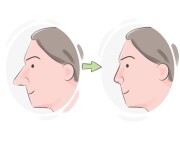
nose job
nose job
[существительное]

a surgical procedure performed on someone's nose that changes its appearance to make it look more attractive

пластика носа

пластика носа

Ex: Recovery from a nose job typically involves swelling and discomfort for the first few weeks .

Восстановление после ринопластики обычно сопровождается отеком и дискомфортом в течение первых нескольких недель.

Закрыть
Войти
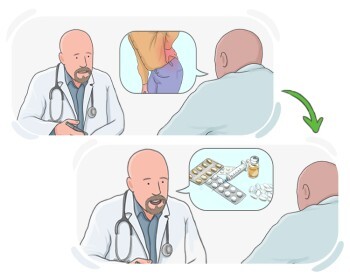
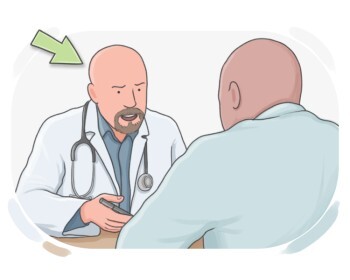
physician
physician
[существительное]

a medical doctor who specializes in general medicine, not in surgery

врач, доктор

врач, доктор

Ex: The physician's bedside manner and communication skills are crucial in building trust with patients .

Манера поведения врача у постели больного и навыки общения имеют решающее значение для установления доверия с пациентами.

Закрыть
Войти
caregiver
caregiver
[существительное]

someone who looks after a child or an old, sick, or disabled person at home

сиделка

сиделка

Ex: The support group offers resources and advice for caregivers of individuals with Alzheimer 's disease .

Группа поддержки предлагает ресурсы и советы для опекунов людей с болезнью Альцгеймера.

Закрыть
Войти
stamina
stamina
[существительное]

the mental or physical strength that makes one continue doing something hard for a long time

выносливость

выносливость

Ex: The long hours of rehearsals tested the dancers ' stamina, but they delivered a flawless performance .

Долгие часы репетиций проверили выносливость танцоров, но они показали безупречное выступление.

Закрыть
Войти
trauma
trauma
[существительное]

a medical condition of the mind caused by extreme shock, which could last for a very long time

травма

травма

Ex: Witnessing a natural disaster can leave survivors with lasting trauma and fear .

Наблюдение за стихийным бедствием может оставить у выживших длительную травму и страх.

Закрыть
Войти
breakdown
breakdown
[существительное]

a condition in which a person becomes so anxious or depressed that they can no longer handle their everyday life

нервный срыв

нервный срыв

Ex: The intense academic pressure during finals week caused several students to suffer breakdowns.

Интенсивное академическое давление во время недели финальных экзаменов привело к тому, что несколько студентов пострадали от нервного срыва.

Закрыть
Войти
to administer
to administer
[глагол]

to give someone medicine, drugs, etc.

вводить

вводить

Ex: The veterinarian skillfully administered the vaccine to the dog during its annual check-up .

Ветеринар умело ввел вакцину собаке во время ее ежегодного осмотра.

Закрыть
Войти
to cleanse
to cleanse
[глагол]

to completely clean something, particularly the skin

очистить

очистить

Ex: She regularly cleanses her face using a gentle cleanser before applying skincare products .

Она регулярно очищает свое лицо с помощью мягкого очищающего средства перед нанесением средств по уходу за кожей.

Закрыть
Войти
to diagnose
to diagnose
[глагол]

to find out the cause of a problem or disease that a person has by examining the symptoms

диагностировать

диагностировать

Ex: Experts often diagnose conditions based on observable symptoms .

Эксперты часто диагностируют состояния на основе наблюдаемых симптомов.

Закрыть
Войти
to vaccinate
to vaccinate
[глагол]

to protect a person or an animal against a disease by giving them a preventive shot against specific diseases

вакцинировать

вакцинировать

Ex: Before traveling abroad , it is advisable to visit a clinic to vaccinate against region-specific infections .

Перед поездкой за границу рекомендуется посетить клинику для вакцинации от инфекций, характерных для региона.

Закрыть
Войти
to admit
to admit
[глагол]

(of a hospital) to take in a patient so that they can receive treatment

принимать, госпитализировать

принимать, госпитализировать

Ex: After a thorough examination , the hospital admitted her for further tests to determine the cause of her illness .

После тщательного обследования больница приняла её для дальнейших анализов, чтобы определить причину её болезни.

Закрыть
Войти
to discharge
to discharge
[глагол]

(of a wound or body part) to slowly release an infectious liquid, called pus

выделение

выделение

Ex: The wound care team regularly cleaned and dressed the wound to minimize the risk of it discharging pus .

Команда по уходу за ранами регулярно очищала и перевязывала рану, чтобы минимизировать риск выделения гноя.

Закрыть
Войти
to immunize
to immunize
[глагол]

to protect an animal or a person from a disease by vaccination

иммунизировать

иммунизировать

Ex: Veterinarians recommend pet owners to immunize their dogs and cats to prevent the spread of certain diseases .

Ветеринары рекомендуют владельцам домашних животных вакцинировать своих собак и кошек, чтобы предотвратить распространение определенных заболеваний.

Закрыть
Войти
to stitch
to stitch
[глагол]

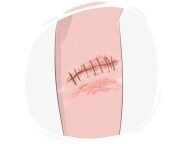
to join the edges of a wound together by a thread and needle

зашивать

зашивать

Ex: He stitched the puncture wound on his hand after cleaning it thoroughly .

Он зашил проколотую рану на руке после тщательной очистки.

Закрыть
Войти
to revive
to revive
[глагол]

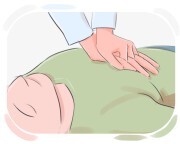
to make a person become conscious again

оживить

оживить

Ex: The first aid instructor taught the class how to revive someone who has passed out due to low blood pressure .

Инструктор по оказанию первой помощи научил класс, как оживить человека, который потерял сознание из-за низкого кровяного давления.

Закрыть
Войти
to soothe
to soothe
[глагол]

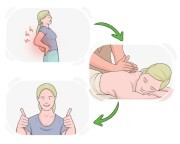
to reduce the severity of a pain

успокаивать

успокаивать

Ex: The cold compress soothes the pain and reduces swelling .

Холодный компресс успокаивает боль и уменьшает отек.

Закрыть
Войти
dumb
dumb
[прилагательное]

unable to speak

немой

немой

Ex: In historical contexts , the term "dumb" was often used to describe individuals with speech impairments or those who could not speak for various reasons .

В исторических контекстах термин "немой" часто использовался для описания людей с нарушениями речи или тех, кто не мог говорить по разным причинам.

Закрыть
Войти
pharmaceutical
pharmaceutical
[прилагательное]

related to the production, use, or sale of medicines

фармацевтический

фармацевтический

Ex: Doctors often rely on pharmaceutical interventions to manage various medical conditions .

Врачи часто полагаются на фармацевтические вмешательства для управления различными медицинскими состояниями.

Закрыть
Войти
deaf
deaf
[прилагательное]

partly or completely unable to hear

глухой

глухой

Ex: He learned to lip-read to better understand conversations as he grew increasingly deaf.

Он научился читать по губам, чтобы лучше понимать разговоры, так как становился все более глухим.

Закрыть
Войти
hygiene
hygiene
[существительное]

the steps one takes to promote health and avoid disease, particularly by cleaning things or being clean

гигиена

гигиена

Ex: Proper hygiene practices , such as covering your mouth when coughing , can help reduce the transmission of illnesses .

Правильные практики гигиены, такие как прикрывание рта при кашле, могут помочь снизить передачу заболеваний.

Закрыть
Войти
to glow
to glow
[глагол]

(of a person's face) to look lively and healthy, specifically as a result of training and exercising

сиять

сиять

Ex: Even during the toughest boot camp sessions , her face glowed with determination and focus .

Даже во время самых тяжелых занятий в учебном лагере, ее лицо светилось решимостью и сосредоточенностью.

Закрыть
Войти
blues
blues
[существительное]

a feeling of sadness or depression, often mild and temporary

грустный, подавленный

грустный, подавленный

Ex: A case of the Monday blues made it hard to get out of bed .

Случай блюза понедельника затруднил подъем с постели.

Закрыть
Войти
sighted
sighted
[прилагательное]

capable of seeing unlike a blind person

зрячий

зрячий

Ex: The lookout sighted enemy ships approaching the harbor and raised the alarm.

Дозорный увидел приближающиеся к гавани вражеские корабли и поднял тревогу.

Закрыть
Войти
consciousness
consciousness
[существительное]

the state or quality of being awake and capable of perception, thought, and response

сознание

сознание

Ex: During surgery, anesthesia induces a temporary loss of consciousness to ensure painless procedures.

Во время операции анестезия вызывает временную потерю сознания, чтобы обеспечить безболезненные процедуры.

Закрыть
Войти
LanGeek
Скачать приложение LanGeek