
Listă de Cuvinte Nivel C1 - Sănătate
Aici veți învăța câteva cuvinte în engleză despre sănătate, cum ar fi "avort", "cârjă", "remediu" etc., pregătite pentru elevii de nivel C1.
Revizuire
Fișe de studiu
forme
Ortografie
Chestionar

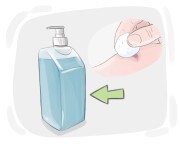
a substance that prevents infection when applied to a wound, especially by killing bacteria

antiseptic, dezinfectant
Ea a curățat tăietura cu antiseptic înainte de a aplica un bandaj pentru a preveni infecția.

the deliberate termination of a pregnancy by medication or a medical procedure
avort
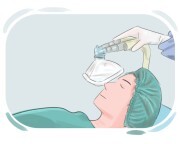
a type of drug that makes the whole or part of the body unable to feel pain when administered
anestezic
Stomatologul a administrat un anestezic local înainte de a începe procedura pentru a amorți gingiile pacientului.
any of the types into which human blood is divided
grupă sanguină, tip de sânge
Cunoașterea grupului tău de sânge este importantă pentru urgențele medicale și transfuzii.
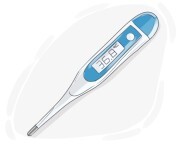
a device used to measure a person's body temperature to assess for fever or abnormal temperature
termometru
Ea a folosit un termometru digital pentru a verifica temperatura copilului său când acesta se simțea febril.
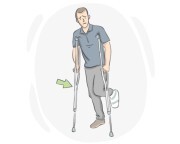
one of a pair of sticks that people with movement difficulties put under their arms to help them walk or stand
cârjă
După accidentarea piciorului, s-a bazat pe o pereche de cârje pentru a se deplasa până când a putut merge din nou singur.

the process of becoming healthy again after an injury or illness
vindecare, recuperare
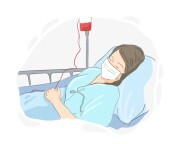
the act of admitting a patient into a hospital for clinical care, observation, or treatment
spitalizare, internare în spital
După diagnostic, medicul a recomandat spitalizarea pentru a putea începe antibioticele intravenoase.
permission given by a patient to receive a particular treatment, informed of all the possible consequences and risks
consimțământ informat, acord informat
Înainte de a fi supus unei intervenții chirurgicale, pacientul a semnat un formular care indica consimțământul informat după ce chirurgul a explicat riscurile și beneficiile.
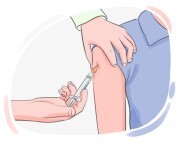
the act of introducing a drug or other substance into the body using a needle and syringe
injecție, înțepătură
a medicine without any physiological effect that is given to a control group in an experiment to measure the effectiveness of a new drug or to patients who think they need medicine when in reality they do not
placebo, medicament placebo
În studiul clinic, jumătate dintre participanți au primit medicamentul experimental, în timp ce cealaltă jumătate a primit un placebo.
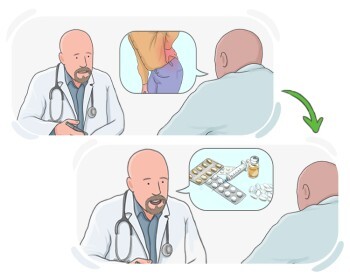
a medicine or treatment used to cure an illness or relieve pain or other symptoms
remediu, tratament
a small amount of blood, urine, tissue, or other bodily material taken for medical testing
proba, specimen
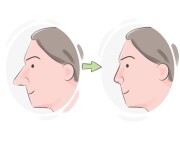
a surgical procedure performed on someone's nose that changes its appearance to make it look more attractive
rinoplastie, operație la nas
Ea a decis să se supună unei rinoplastii pentru a corecta un sept nazal deviat care provoca probleme respiratorii.
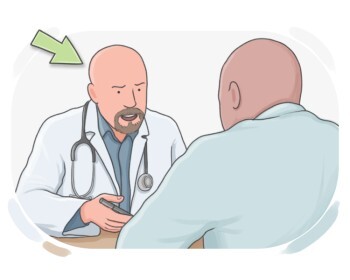
a medical doctor who specializes in general medicine, not in surgery
medic, doctor în medicină
Medicul a examinat pacientul amănunțit înainte de a stabili un diagnostic.
someone who looks after a child or an old, sick, or disabled person at home
îngrijitor, asistent
Ea și-a părăsit slujba pentru a deveni un îngrijitor cu normă întreagă pentru mama ei în vârstă.
the mental or physical strength that makes one continue doing something hard for a long time
rezistență, stamină
Maratoniștii au nevoie de o rezistență excepțională pentru a finaliza cursa de 26,2 mile.
a medical condition of the mind caused by extreme shock, which could last for a very long time
traumă, șoc emoțional
Ea a căutat terapie pentru a o ajuta să facă față traumei emoționale din accidentul de mașină.
a period of severe mental or emotional distress in which someone becomes unable to function normally
cădere nervoasă, colaps
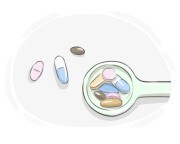
to give medicine, a drug, or medical treatment to someone
administra, da
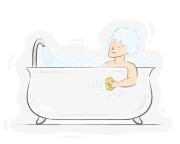
to completely clean something, particularly the skin
curăța, purifica
Spa-ul oferă o varietate de tratamente pentru a curăța și reînvia pielea.
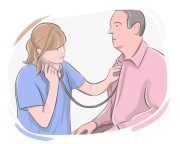
to find out the cause of a problem or disease that a person has by examining the symptoms
diagnostica, stabili cauza
Medicii folosesc diverse teste pentru a diagnostica cu precizie afecțiunile medicale.
to protect a person or an animal against a disease by giving them a preventive shot against specific diseases
vaccina
Părinții sunt încurajați să vaccineze copiii lor pentru a-i proteja de boli prevenibile.
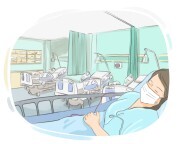
(of a hospital) to take in a patient so that they can receive treatment
admite, spitaliza
to release or ooze pus or other infected fluid from a wound or sore
supura
to protect an animal or a person from a disease by vaccination
imuniza, vaccina
Părinții sunt încurajați să immunizeze copiii lor împotriva bolilor comune ale copilăriei prin vaccinări programate.
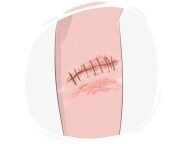
to close a wound by sewing its edges together with medical thread
a sutura, a coase
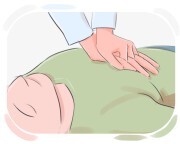
to make an unconscious person become conscious again
reanima
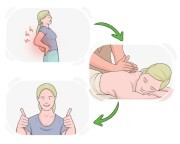
to reduce the severity of a pain
calma, alina
A folosit o compresă caldă pentru a calma mușchii dureroși din gât.
unable to speak
mut, surdomut
S-a născut surd și mut, comunicând prin limbajul semnelor.
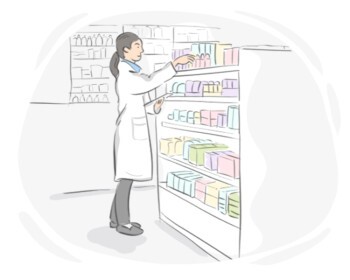
related to the production, use, or sale of medicines
farmaceutic, medicinal
Compania farmaceutică a dezvoltat un nou medicament pentru tratarea alergiilor.
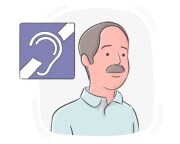
partly or completely unable to hear
surd, hipoacuzic
the steps one takes to promote health and avoid disease, particularly by cleaning things or being clean
igienă
O bună igienă personală include spălarea regulată a mâinilor cu săpun și apă.
to have a warm, healthy, or rosy appearance
străluci, radia

a feeling of sadness or depression, often mild and temporary
tristețe, melancolie
Avea blues după ce s-au terminat sărbătorile.
capable of seeing unlike a blind person
văzător, capabil să vadă
Cercetașul văzător a zărit mișcare în depărtare și a alertat echipa.
the state of being awake, aware of one's surroundings, and able to think and respond
conștiință, conștiență
