
Seznam Slovíček Úrovně C1 - Zdraví
Zde se naučíte některá anglická slova o zdraví, jako jsou "potrat", "berle", "lék" apod., připravená pro studenty úrovně C1.
Revize
Kartičky
tvary
Pravopis
Kvíz

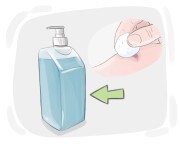
a substance that prevents infection when applied to a wound, especially by killing bacteria

antiseptikum, dezinfekční prostředek
Lékař doporučil použití antiseptické ústní vody k udržení ústní hygieny.

the deliberate termination of a pregnancy by medication or a medical procedure
potrat
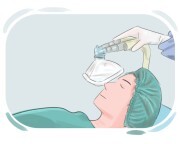
a type of drug that makes the whole or part of the body unable to feel pain when administered
anestetikum
Někteří pacienti pociťují po podání anestetika dočasnou necitlivost nebo brnění v místě vpichu.
any of the types into which human blood is divided
krevní skupina, typ krve
Krevní skupina dítěte je určena kombinací krevních skupin jeho rodičů, podle specifických genetických pravidel.
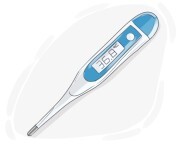
a device used to measure a person's body temperature to assess for fever or abnormal temperature
teploměr
Šéfkuchař použil teploměr na cukroví ke sledování teploty karamelové omáčky během vaření.
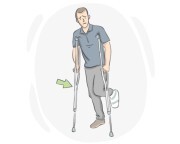
one of a pair of sticks that people with movement difficulties put under their arms to help them walk or stand
berle
Těžce se opíral o svou berlu, když procházel nemocniční chodbou, zotavující se z operace.

the process of becoming healthy again after an injury or illness
uzdravení, hojení
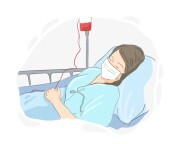
the act of admitting a patient into a hospital for clinical care, observation, or treatment
hospitalizace, přijetí do nemocnice
Rychlá triáž na pohotovosti určila, kdo potřebuje hospitalizaci a kdo může jít domů.
permission given by a patient to receive a particular treatment, informed of all the possible consequences and risks
informovaný souhlas, prosvětlený souhlas
Informovaný souhlas je základním principem lékařské etiky, který zajišťuje, že pacienti mají dostatek informací k informovanému rozhodování o své zdravotní péči.
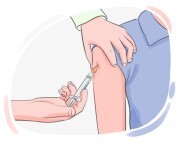
the act of introducing a drug or other substance into the body using a needle and syringe
a medicine without any physiological effect that is given to a control group in an experiment to measure the effectiveness of a new drug or to patients who think they need medicine when in reality they do not
placebo, placebo lék
Placebo-kontrolované studie pomáhají výzkumníkům určit, zda pozorované účinky nové léčby jsou způsobeny farmakologickými vlastnostmi léku nebo psychologickými faktory.
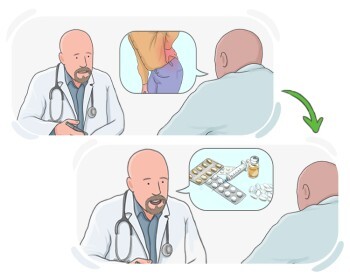
a medicine or treatment used to cure an illness or relieve pain or other symptoms
a small amount of blood, urine, tissue, or other bodily material taken for medical testing
vzorek, preparát
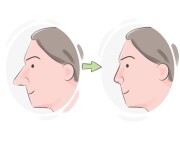
a surgical procedure performed on someone's nose that changes its appearance to make it look more attractive
plastika nosu, nosní operace
Zotavení po nosní operaci obvykle zahrnuje otoky a nepohodlí během prvních několika týdnů.
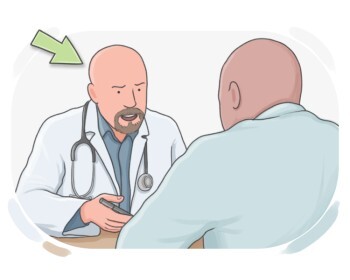
a medical doctor who specializes in general medicine, not in surgery
lékař, doktor medicíny
Chování lékaře u lůžka a komunikační dovednosti jsou klíčové pro budování důvěry u pacientů.
someone who looks after a child or an old, sick, or disabled person at home
pečovatel, asistent
Podpůrná skupina nabízí zdroje a rady pro pečovatele o osoby s Alzheimerovou chorobou.
the mental or physical strength that makes one continue doing something hard for a long time
vytrvalost, výdrž
Dlouhé hodiny zkoušek prověřily vytrvalost tanečníků, ale předvedli bezchybný výkon.
a medical condition of the mind caused by extreme shock, which could last for a very long time
trauma, emocionální šok
Svědectví přírodní katastrofy může u přeživších zanechat trvalé trauma a strach.
a period of severe mental or emotional distress in which someone becomes unable to function normally
nervové zhroucení, zhroucení
to give medicine, a drug, or medical treatment to someone
podat, aplikovat
to completely clean something, particularly the skin
čistit, očistit
Pravidelně čistí svou tvář jemným čisticím prostředkem před nanesením přípravků na péči o pleť.
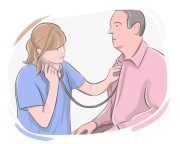
to find out the cause of a problem or disease that a person has by examining the symptoms
diagnostikovat, určit příčinu
Odborníci často diagnostikují stavy na základě pozorovatelných příznaků.
to protect a person or an animal against a disease by giving them a preventive shot against specific diseases
očkovat
Před cestou do zahraničí je vhodné navštívit kliniku a nechat se očkovat proti infekcím specifickým pro danou oblast.
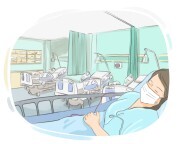
(of a hospital) to take in a patient so that they can receive treatment
přijmout, hospitalizovat
to release or ooze pus or other infected fluid from a wound or sore
hnisat
to protect an animal or a person from a disease by vaccination
imunizovat, očkovat
Veterináři doporučují majitelům domácích zvířat, aby své psy a kočky očkovali, aby zabránili šíření některých nemocí.
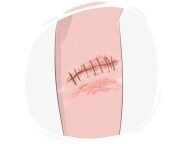
to close a wound by sewing its edges together with medical thread
sešít, zašít
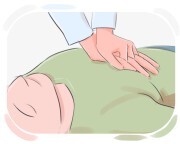
to make an unconscious person become conscious again
oživit
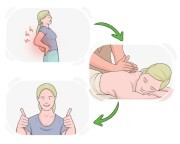
to reduce the severity of a pain
uklidnit, zmírnit
Studený obklad uklidňuje bolest a snižuje otok.
unable to speak
němý, hluchoněmý
V historických souvislostech byl termín "němý" často používán k popisu jedinců s řečovými vadami nebo těch, kteří z různých důvodů nemohli mluvit.
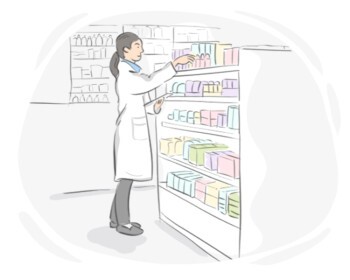
related to the production, use, or sale of medicines
farmaceutický, léčivý
Lékaři se často spoléhají na farmaceutické zásahy při léčbě různých zdravotních stavů.
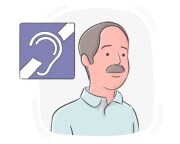
partly or completely unable to hear
hluchý, nedoslýchavý
the steps one takes to promote health and avoid disease, particularly by cleaning things or being clean
hygiena
Správné hygienické postupy, jako je zakrytí úst při kašli, mohou pomoci snížit přenos nemocí.
to have a warm, healthy, or rosy appearance
zářit, svítit

a feeling of sadness or depression, often mild and temporary
smutek, deprese
Případ pondělního blues ztížil vstávání z postele.
capable of seeing unlike a blind person
vidoucí, schopný vidět
Hlídka spatřila nepřátelské lodě blížící se k přístavu a spustila poplach.
the state of being awake, aware of one's surroundings, and able to think and respond
vědomí, uvědomění
