pattern

C1 Level Wordlist - Health

Here you will learn some English words about health, such as "abortion", "crutch", "remedy", etc. prepared for C1 learners.

Review

Flashcards

Forms

Spelling

Quiz

Start learning
CEFR C1 Vocabulary
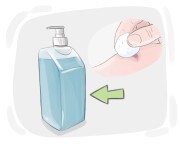
antiseptic

a substance that prevents infection when applied to a wound, especially by killing bacteria

Ex: She cleaned the cut with antiseptic before applying a bandage to prevent infection. 
Close
Sign in
abortion
abortion
[noun]

the intentional ending of a pregnancy, often done during the early stages
Ex: The debate over abortion rights continues to be a contentious issue in many countries around the world. 
Close
Sign in
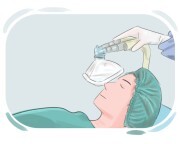
anesthetic

a type of drug that makes the whole or part of the body unable to feel pain when administered

Ex: The dentist administered a local anesthetic before starting the procedure to numb the patient's gums. 
Close
Sign in
blood type

any of the types into which human blood is divided
Ex: Knowing your blood type is important for medical emergencies and transfusions. 
Close
Sign in
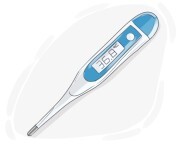
thermometer

a device used to measure a person's body temperature to assess for fever or abnormal temperature
Ex: She used a digital thermometer to check her child's temperature when he felt feverish. 
Close
Sign in
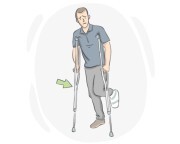
crutch
crutch
[noun]

one of a pair of sticks that people with movement difficulties put under their arms to help them walk or stand

Ex: After his leg injury, he relied on a pair of crutches to get around until he could walk on his own again. 
Close
Sign in
healing
healing
[noun]

the process of becoming healthy again after an injury or illness
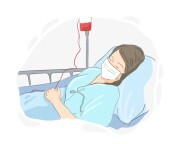
Ex: The healing of her broken arm took several weeks, but she eventually regained full mobility. 
Close
Sign in
hospitalization

the act of admitting a patient into a hospital for clinical care, observation, or treatment

Ex: After the diagnosis, the doctor recommended hospitalization so she could begin intravenous antibiotics. 
Close
Sign in
informed consent

permission given by a patient to receive a particular treatment, informed of all the possible consequences and risks
Ex: Before undergoing surgery, the patient signed a form indicating their informed consent after the surgeon explained the risks and benefits. 
Close
Sign in
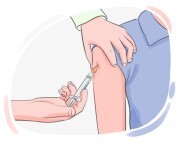
injection
injection
[noun]

the action of putting a drug into a person's body using a syringe

Ex: The nurse administered the flu vaccine with a quick injection into the patient's arm. 
Close
Sign in
placebo
placebo
[noun]

a medicine without any physiological effect that is given to a control group in an experiment to measure the effectiveness of a new drug or to patients who think they need medicine when in reality they do not
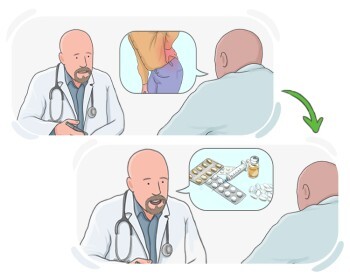
Ex: In the clinical trial, half of the participants received the experimental drug while the other half received a placebo. 
Close
Sign in
remedy
remedy
[noun]

a treatment or medicine for a disease or to reduce pain that is not severe

Ex: She tried various home remedies to alleviate her cold symptoms, including herbal teas and honey. 
Close
Sign in
specimen
specimen
[noun]

a small amount of something such as urine, blood, etc. that is taken for examination
Ex: The nurse collected a urine specimen from the patient for laboratory analysis. 
Close
Sign in
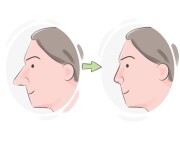
nose job
nose job
[noun]

a surgical procedure performed on someone's nose that changes its appearance to make it look more attractive
Ex: She decided to undergo a nose job to correct a deviated septum that was causing breathing problems. 
Close
Sign in
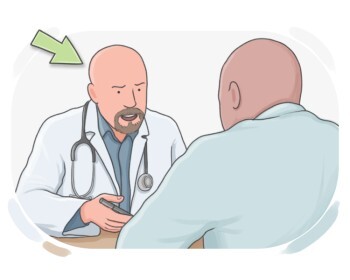
physician
physician
[noun]

a medical doctor who specializes in general medicine, not in surgery

Ex: The physician examined the patient thoroughly before making a diagnosis. 
Close
Sign in
caregiver
caregiver
[noun]

someone who looks after a child or an old, sick, or disabled person at home

Ex: She quit her job to become a full-time caregiver for her elderly mother. 
Close
Sign in
stamina
stamina
[noun]

the mental or physical strength that makes one continue doing something hard for a long time

Ex: Marathon runners need exceptional stamina to complete the 26.2-mile race. 
Close
Sign in
trauma
trauma
[noun]

a medical condition of the mind caused by extreme shock, which could last for a very long time

Ex: She sought therapy to help her cope with the emotional trauma from the car accident. 
Close
Sign in
breakdown
breakdown
[noun]

a condition in which a person becomes so anxious or depressed that they can no longer handle their everyday life
Ex: After months of stress at work, he experienced a nervous breakdown and had to take a leave of absence. 
Close
Sign in
to administer

to give someone medicine, drugs, etc.
Ex: The nurse carefully administered the medication to the patient, ensuring the correct dosage was given. 
Close
Sign in
to cleanse

to completely clean something, particularly the skin
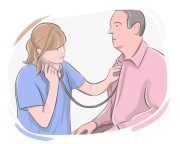
Ex: The spa offers a variety of treatments to cleanse and rejuvenate the skin. 
Close
Sign in
to diagnose

to find out the cause of a problem or disease that a person has by examining the symptoms

Ex: Doctors use various tests to diagnose medical conditions accurately. 
Close
Sign in
to vaccinate

to protect a person or an animal against a disease by giving them a preventive shot against specific diseases
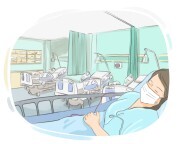
Ex: Parents are encouraged to vaccinate their children to shield them from preventable illnesses. 
Close
Sign in
to admit
to admit
[Verb]

(of a hospital) to take in a patient so that they can receive treatment

Ex: The hospital admitted the patient immediately after they arrived in the emergency room. 
Close
Sign in
to discharge

(of a wound or body part) to slowly release an infectious liquid, called pus

Ex: The infected cut on his arm started to discharge pus, causing him considerable discomfort. 
Close
Sign in
to immunize

to protect an animal or a person from a disease by vaccination
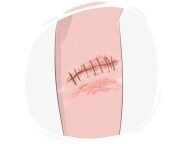
Ex: Parents are encouraged to immunize their infants against common childhood diseases through scheduled vaccinations. 
Close
Sign in
to stitch
to stitch
[Verb]

to join the edges of a wound together by a thread and needle
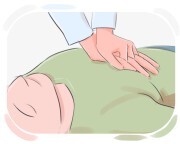
Ex: The doctor stitched the deep cut on the patient's arm to close the wound. 
Close
Sign in
to revive
to revive
[Verb]

to make a person become conscious again
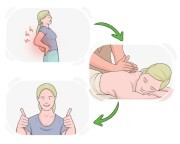
Ex: The paramedics administered CPR to revive the unconscious patient. 
Close
Sign in
to soothe
to soothe
[Verb]

to reduce the severity of a pain

Ex: She used a warm compress to soothe the sore muscles in her neck. 
Close
Sign in
dumb
dumb
[Adjective]

unable to speak

Ex: He was born deaf and dumb, communicating through sign language. 
Close
Sign in
pharmaceutical
pharmaceutical
[Adjective]

related to the production, use, or sale of medicines
Ex: The pharmaceutical company developed a new medicine for treating allergies. 
Close
Sign in
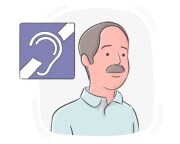
deaf
deaf
[Adjective]

partly or completely unable to hear

Ex: The deaf child communicates using sign language. 
Close
Sign in
hygiene
hygiene
[noun]

the steps one takes to promote health and avoid disease, particularly by cleaning things or being clean

Ex: Good personal hygiene includes regular handwashing with soap and water. 
Close
Sign in
to glow
to glow
[Verb]

(of a person's face) to look lively and healthy, specifically as a result of training and exercising
Ex: After months of regular workouts, her face began to glow with a newfound vitality and strength. 
Close
Sign in
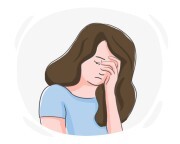
blues
blues
[noun]

a feeling of sadness or depression, often mild and temporary

Ex: She had the blues after the holidays ended. 
Close
Sign in
sighted
sighted
[Adjective]

capable of seeing unlike a blind person

Ex: The eagle-eyed scout sighted movement in the distance and alerted the team. 
Close
Sign in
consciousness

the state or quality of being awake and capable of perception, thought, and response

Ex: She regained consciousness in the hospital after the accident. 
Close
Sign in
LanGeek
Download LanGeek app