


a strong statement or a piece of writing that expresses certain feelings and opinions

Художественная декламация
Острая декламация колумниста в газете вызвала жаркие дебаты по вопросу свободы слова.
expressing one's feelings in a dramatic and forceful way
декламационный
В своем декламационном стихотворении она выразила свои самые сокровенные мысли и желания с величием и интенсивностью.
resembling or relating to an announcement or fact
декларативный
Судья окончательно урегулировал вопрос декларативным решением, не оставляя места для неоднозначности или дальнейших споров.
(in the grammar of some languages) a group of nouns, pronouns, or adjectives changing in the same way to indicate case, number, and gender
склонение
В древнеанглийском языке была сложная система склонения, с разными формами существительных в зависимости от падежа, числа и рода.
impossible to be described or expressed in words
не выразимый словами
Связь между матерью и ребенком часто характеризуется невыразимой любовью, которую слова не могут передать.
lacking practical knowledge and experience and tending to believe everything
простой
Её неискушённое понимание политики привело к тому, что она слепо поддерживала сомнительных кандидатов.
to cause someone to feel worried or anxious, usually because of a change
выбивать из колеи
Прежде чем найти способ справиться с этим, все сообщество было взволновано внезапным поворотом событий.

having no moral principles and willing to do anything to achieve one's goals
беспринципный
Бессовестный бизнесмен обманул своих партнеров и присвоил средства компании, чтобы обогатиться.
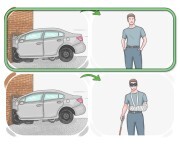
remained free from harm, injury, or damage despite challenging or dangerous circumstances
невредимый
К всеобщему удивлению, исторический памятник стоял высоко и невредимым после разрушительного землетрясения.
to deliberately provoke, encourage, or initiate actions that lead to conflict, hostility, or harmful consequences
провоцировать
Движимый глубокой завистью, завистливый сосед попытался разжечь конфликт между двумя семьями.
someone who initiates a particular thing
зачинщик
Профессор выступал в роли зачинщика интеллектуальных дебатов, поощряя студентов подвергать сомнению устоявшиеся теории и мыслить критически.
to think or say that something is caused by a certain thing
относить
Ученые приписывают изменение климата человеческой деятельности.
the gradual reduction or decrease in size, quantity, strength, or effectiveness of something over time
потертость
Со временем постоянное трение двух камней друг о друга привело к износу, вызвав стирание обеих поверхностей.
showing lack of respect for holy things or God, especially by using offensive or obscene language
непристойный
Во время религиозной церемонии один из присутствующих громко выкрикнул кощунственные замечания, нарушив торжественную атмосферу и проявив неуважение к священному событию.
socially unacceptable language or behavior, typically involving the use of insulting or offensive terms
богохульство
Во время жаркого спора обе стороны прибегли к обмену оскорблениями и бранью, что усилило напряженность и затруднило разрешение ситуации.

to observe an activity in order to ensure that everything is done properly
наблюдать
Она была нанята, чтобы контролировать повседневные операции компании.
a person who is in charge of a group of employees to make sure they work properly
надзиратель
Наблюдатель IT-отдела проверил работу разработчиков программного обеспечения, убедившись, что стандарты кодирования соблюдаются, а конечные продукты соответствуют требуемым спецификациям.

not based on reason or logic
неразумный, беспричинный
Ее страх перед полетами был иррациональным, поскольку статистика показывает, что это один из самых безопасных видов транспорта.
incapable of being simplified any more than it already is
иррациональный
Хотя некоторые могут пытаться свести счастье к внешним обстоятельствам, его истинная природа остается неприводимой, поскольку оно возникает из сочетания внутренних состояний, личных ценностей и индивидуальных восприятий.
