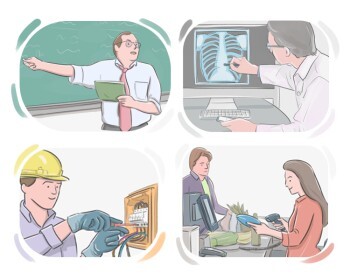
pattern

Книга Insight - Предсредний - Блок 5 - 5A

Здесь вы найдете лексику из Раздела 5 - 5A учебника Insight Pre-Intermediate, такую как "малыш", "волновать", "впечатление", и т.д.

Обзор

Флэш-карточки

формы

Правописание

Тест

Начать учиться
Insight - Pre-Intermediate
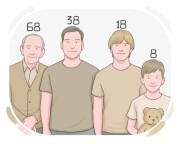
generation
generation
[существительное]

people born and living at approximately the same period of time

поколение

поколение

Ex: The older generation often reminisces about life before smartphones became ubiquitous. 

Старшее поколение часто вспоминает жизнь до того, как смартфоны стали повсеместными.

Закрыть
Войти
twenties
twenties
[существительное]

the decade of someone's life when they are aged 20 to 29 years old

двадцатые годы

двадцатые годы

Ex: He spent his twenties traveling around the world. 

Он провел свои двадцатые годы, путешествуя по миру.
Закрыть
Войти
teenager
teenager
[существительное]

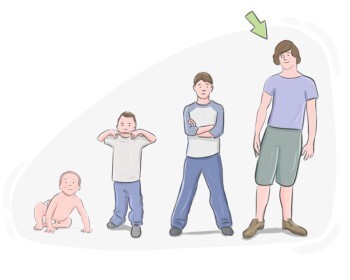
a person aged between 13 and 19 years

подросток

подросток

Ex: The teenager spent most of the evening playing video games. 

Подросток провел большую часть вечера, играя в видеоигры.
Закрыть
Войти
child
child
[существительное]

a young person who has not reached puberty or adulthood yet

ребенок, дитя

ребенок, дитя

Ex: As parents, we should prioritize the well-being and safety of our children at all times. 

Как родители, мы должны всегда ставить благополучие и безопасность наших детей на первое место.

Закрыть
Войти
baby
baby
[существительное]

a very young child

младенец, малыш

младенец, малыш

Ex: A babysitter was hired to take care of the baby while the parents were out. 

Няня была нанята, чтобы заботиться о ребенке, пока родители были вне дома.
Закрыть
Войти
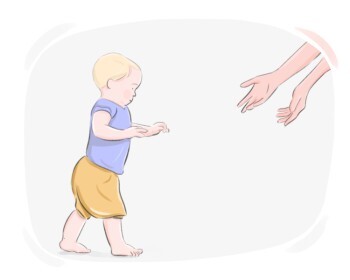
toddler
toddler
[существительное]

a young child who is starting to learn how to walk

малыш

малыш

Ex: The toddler took his first steps, much to the delight of his parents. 

Малыш сделал свои первые шаги, к большой радости своих родителей.
Закрыть
Войти
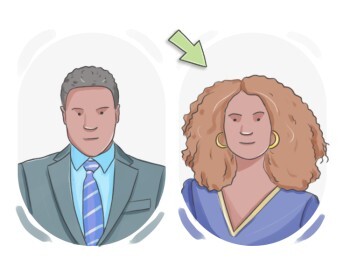
middle-aged
middle-aged
[прилагательное]

(of a person) approximately between 45 to 65 years old, typically indicating a stage of life between young adulthood and old age

среднего возраста

среднего возраста

Ex: The middle-aged man enjoyed his evening walks in the park. 

Мужчина среднего возраста наслаждался вечерними прогулками в парке.
Закрыть
Войти
woman
woman
[существительное]

a person who is a female adult

женщина

женщина

Ex: This is my sister; she's a kind woman. 

Это моя сестра; она добрая женщина.

Закрыть
Войти
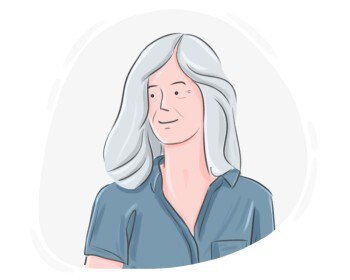
elderly
elderly
[прилагательное]

advanced in age

пожилой

пожилой

Ex: The elderly couple enjoyed taking leisurely walks together in the park. 

Пожилая пара любила неспешно гулять вместе в парке.
Закрыть
Войти
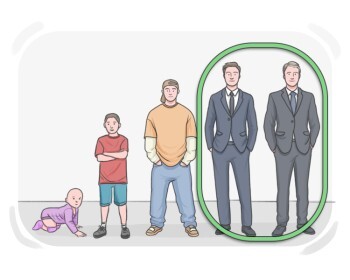
adult
adult
[существительное]

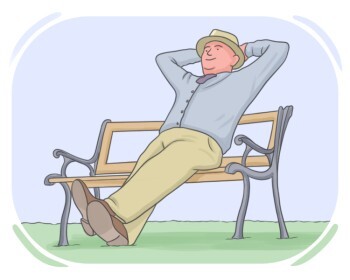
a fully grown man or woman

взрослый

взрослый

Ex: Adults have the freedom to make their own decisions and choices. 

Взрослые имеют свободу принимать свои собственные решения и выбор.
Закрыть
Войти
senior citizen
senior citizen
[существительное]

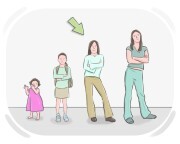
an old person, especially someone who is retired

пенсионер, пожилой гражданин

пенсионер, пожилой гражданин

Ex: As a senior citizen, he enjoys the discounts offered at local stores and restaurants. 

Как пенсионер, он пользуется скидками, предлагаемыми в местных магазинах и ресторанах.
Закрыть
Войти
adolescent
adolescent
[существительное]

a young person who is in the process of becoming an adult

подросток

подросток

Ex: The adolescent struggled to fit in with their peers. 

Подросток изо всех сил пытался вписаться в круг своих сверстников.

Закрыть
Войти
forties
forties
[существительное]

the period of time in someone's life between the ages of 40 and 49

сороковые годы

сороковые годы

Ex: She felt more confident in her forties than she did in her twenties. 

Она чувствовала себя увереннее в сороковые годы, чем в двадцатые.

Закрыть
Войти
teens
teens
[существительное]

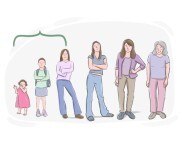
the period of one's life between the age of 13 and 19

подростки

подростки

Ex: The teens are often a time of personal change and discovery. 

Юность часто является временем личных изменений и открытий.

Закрыть
Войти
university
university
[существительное]

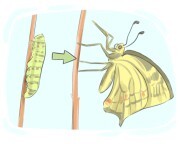
an educational institution at the highest level, where we can study for a degree or do research

университет

университет

Ex: I will graduate from university next year with a degree in psychology. 

В следующем году я закончу университет со степенью по психологии.
Закрыть
Войти
to become
to become
[глагол]

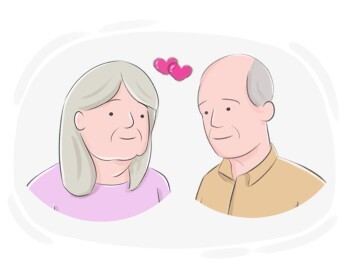
to start or grow to be

становиться

становиться

Ex: He's training to become a pilot at a flight school. 

Он учится стать пилотом в лётной школе.
Закрыть
Войти
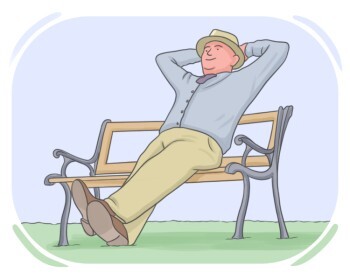
grandparent
grandparent
[существительное]

someone who is our mom or dad's parent

бабушка с дедушкой

бабушка с дедушкой

Ex: Every Sunday, we have dinner at our grandparents' house. 

Каждое воскресенье мы ужинаем в доме наших бабушек и дедушек.
Закрыть
Войти
to retire
to retire
[глагол]

to leave your job and stop working, usually on reaching a certain age

выйти на пенсию

выйти на пенсию

Ex: After working for 30 years, she finally retired. 

После 30 лет работы она наконец вышла на пенсию.

Закрыть
Войти
to [get] married
to get married
[фраза]

to legally become someone's wife or husband

жениться, выйти замуж
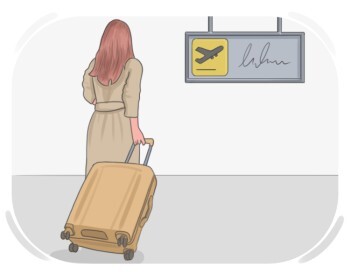
жениться, выйти замуж

Ex: After a long courtship, they decided to get married in a beautiful outdoor ceremony. 
Закрыть
Войти
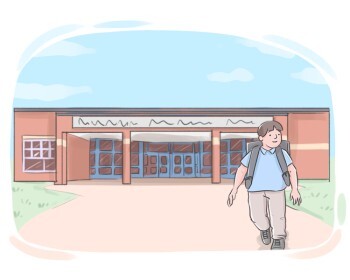
to leave
to leave
[глагол]

to go away from somewhere

покидать

покидать

Ex: She left her friends at the party without any goodbye. 

Она покинула своих друзей на вечеринке без какого-либо прощания.
Закрыть
Войти
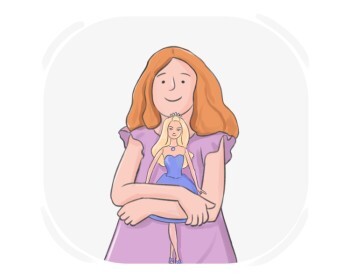
school
school
[существительное]

a place where children learn things from teachers

школа

школа

Ex: He forgot his homework and had to rush back to school to get it. 

Он забыл свою домашнюю работу и должен был срочно вернуться в школу, чтобы забрать её.
Закрыть
Войти
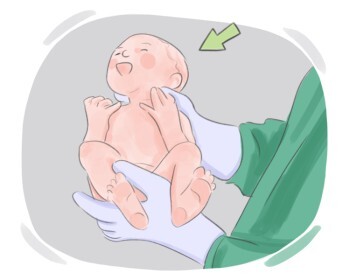
to have
to have
[глагол]

to hold or own something

иметь

иметь

Ex: I have my grandmother's old necklace. 

У меня есть старое ожерелье моей бабушки.
Закрыть
Войти
born
born
[прилагательное]

brought to this world through birth

урождённый

урождённый

Ex: Sarah was born on a warm summer morning, bringing joy and happiness to her family. 

Сара родилась в теплое летнее утро, принеся радость и счастье своей семье.

Закрыть
Войти
to start
to start
[глагол]

to begin something new and continue doing it, feeling it, etc.

начинать

начинать

Ex: He started singing along to the song on the radio. 

Он начал подпевать песне по радио.

Закрыть
Войти
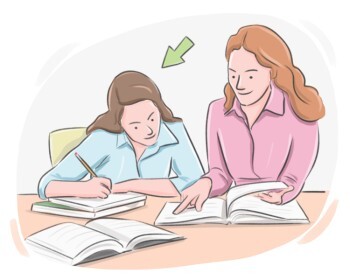
to work
to work
[глагол]

to do certain physical or mental activities in order to achieve a result or as a part of our job

работать

работать

Ex: He's been working on his presentation for hours. 

Он работает над своей презентацией уже несколько часов.
Закрыть
Войти
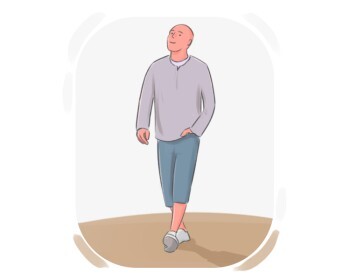
to learn
to learn
[глагол]

to become knowledgeable or skilled in something by doing it, studying, or being taught

учиться

учиться

Ex: He learned valuable negotiation skills by watching experienced negotiators in action 

Он научился ценным навыкам ведения переговоров, наблюдая за опытными переговорщиками в действии.
Закрыть
Войти
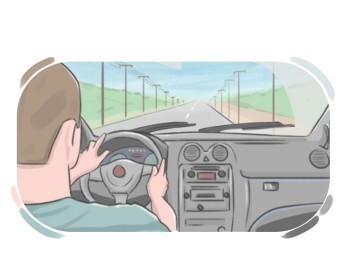
to walk
to walk
[глагол]

to move forward at a regular speed by placing our feet in front of each other one by one

идти

идти

Ex: After the accident, doctors were unsure if he'd ever walk again. 

После аварии врачи не были уверены, сможет ли он снова ходить.
Закрыть
Войти
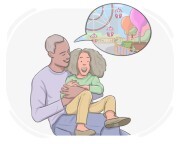
to drive
to drive
[глагол]

to control the movement and the speed of a car, bus, truck, etc. when it is moving

водить

водить

Ex: You should drive with both hands on the steering wheel. 

Вы должны водить обеими руками на руле.
Закрыть
Войти
to excite
to excite
[глагол]

to make a person feel interested or happy, particularly about something that will happen soon

возбуждать

возбуждать

Ex: The news of the upcoming concert excited music fans all over the city. 

Новость о предстоящем концерте взволновала поклонников музыки по всему городу.

Закрыть
Войти
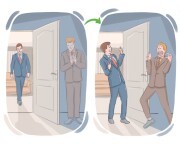
excited
excited
[прилагательное]

feeling very happy, interested, and energetic

возбужденный, very happy and full of energy

возбужденный, very happy and full of energy

Ex: He was excited to start his new job. 

Он был в восторге от начала своей новой работы.
Закрыть
Войти
to frighten
to frighten
[глагол]

to cause a person or animal to feel scared

пугать

пугать

Ex: The loud bang outside the window frightened the sleeping child. 

Громкий стук за окном испугал спящего ребенка.

Закрыть
Войти
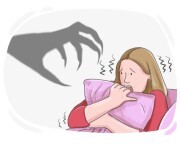
frightening
frightening
[прилагательное]

causing one to feel fear

пугающий

пугающий

Ex: The frightening realization that they had lost their passports in a foreign country set in. 

Пугающее осознание того, что они потеряли свои паспорта в чужой стране, охватило их.
Закрыть
Войти
frightened
frightened
[прилагательное]

feeling afraid, often suddenly, due to danger, threat, or shock

испуганный

испуганный

Ex: I felt frightened walking alone at night. 

Я почувствовал себя испуганным, гуляя ночью в одиночестве.

Закрыть
Войти
amazed
amazed
[прилагательное]

feeling or showing great surprise

изумленный

изумленный

Ex: She was amazed by the magician's final trick. 

Она была поражена последним трюком фокусника.

Закрыть
Войти
amazing
amazing
[прилагательное]

extremely surprising, particularly in a good way

удивительный

удивительный

Ex: The fireworks display was absolutely amazing, lighting up the entire sky. 

Фейерверк был абсолютно потрясающим, освещая все небо.

Закрыть
Войти
to surprise
to surprise
[глагол]

to make someone feel mildly shocked

удивлять

удивлять

Ex: The unexpected news seemed to surprise her, and she couldn't hide her reaction. 

Неожиданные новости, казалось, удивили её, и она не смогла скрыть свою реакцию.

Закрыть
Войти
surprised
surprised
[прилагательное]

feeling or showing shock or amazement

удивленный

удивленный

Ex: She was genuinely surprised at how well the presentation went. 

Она была искренне удивлена тем, насколько хорошо прошла презентация.

Закрыть
Войти
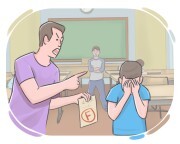
surprising
surprising
[прилагательное]

causing a feeling of shock, disbelief, or wonder

удивительный

удивительный

Ex: The surprising kindness of strangers made her day. 

Удивительная доброта незнакомцев сделала ее день.
Закрыть
Войти
to embarrass
to embarrass
[глагол]

to make a person feel ashamed, uneasy, or nervous, especially in front of other people

стеснять, смущать

стеснять, смущать

Ex: His clumsy fall embarrassed him in front of his colleagues. 

Его неуклюжее падение смутило его перед коллегами.

Закрыть
Войти
embarrassed
embarrassed
[прилагательное]

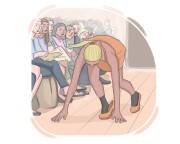
feeling ashamed and uncomfortable because of something that happened or was said

смущенный

смущенный

Ex: She felt embarrassed when she realized she had mispronounced the word. 

Она почувствовала себя неловко, когда поняла, что неправильно произнесла слово.
Закрыть
Войти
embarrassing
embarrassing
[прилагательное]

causing a person to feel ashamed or uneasy

неловкий

неловкий

Ex: His embarrassing behavior at the dinner table made the guests uncomfortable. 

Его смущающее поведение за обеденным столом заставило гостей чувствовать себя неловко.

Закрыть
Войти
to enjoy
to enjoy
[глагол]

to take pleasure or find happiness in something or someone

наслаждаться

наслаждаться

Ex: She enjoys listening to classical music while working. 

Она наслаждается прослушиванием классической музыки во время работы.

Закрыть
Войти
enjoyment
enjoyment
[существительное]

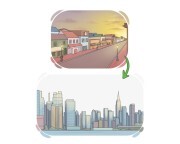
the feeling of pleasure that someone experiences from an activity, a thing or a situation

наслаждение

наслаждение

Ex: The children's enjoyment at the amusement park was evident in their laughter. 

Наслаждение детей в парке развлечений было очевидно по их смеху.
Закрыть
Войти
to develop
to develop
[глагол]

to change and become stronger or more advanced

развиваться

развиваться

Ex: As the disease progresses, symptoms may develop in more severe forms. 

По мере прогрессирования заболевания симптомы могут развиваться в более тяжелых формах.

Закрыть
Войти
development
development
[существительное]

a process or state in which something becomes more advanced, stronger, etc.

развитие

развитие

Ex: The development of new technologies has transformed modern life. 

Развитие новых технологий изменило современную жизнь.

Закрыть
Войти
to encourage
to encourage
[глагол]

to provide someone with support, hope, or confidence

поощрять

поощрять

Ex: The teacher always took the time to encourage her students, praising their efforts and boosting their confidence in the classroom. 

Учитель всегда находил время, чтобы подбодрить своих учеников, хваля их усилия и повышая их уверенность в классе.

Закрыть
Войти
encouragement
encouragement
[существительное]

something that is told or given to someone in order to give them hope or provide support

поощрение

поощрение

Ex: The teacher's encouragement motivated the students to do their best. 

Поощрение учителя мотивировало учеников делать все возможное.

Закрыть
Войти
to argue
to argue
[глагол]

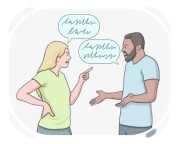
to speak to someone often angrily because one disagrees with them

спорить

спорить

Ex: He argues with everyone at work; it's so annoying! 

Он спорит со всеми на работе; это так раздражает!
Закрыть
Войти
argument
argument
[существительное]

a discussion, typically a serious one, between two or more people with different views

спор

спор

Ex: His strong argument convinced the team to change their strategy. 

Его сильный аргумент убедил команду изменить свою стратегию.

Закрыть
Войти
to impress
to impress
[глагол]

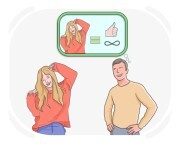
to give the impression of having a certain quality or being a certain type

производить впечатление

производить впечатление

Ex: The film impressed critics as a remarkable achievement in cinematography. 

Фильм произвел впечатление на критиков как выдающееся достижение в кинематографии.
Закрыть
Войти
impression
impression
[существительное]

an opinion or feeling that one has about someone or something, particularly one formed unconsciously

впечатление

впечатление

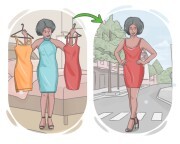
Ex: Her cheerful demeanor gave me the impression that she was always happy. 

Её жизнерадостное поведение создало у меня впечатление, что она всегда счастлива.
Закрыть
Войти
to decide
to decide
[глагол]

to think carefully about different things and choose one of them

принять решение

принять решение

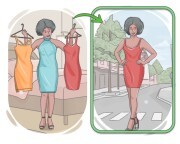
Ex: He had to decide whether to accept the job offer. 

Ему пришлось решить, принимать ли предложение о работе.
Закрыть
Войти
decision
decision
[существительное]

a choice or judgment that is made after adequate consideration or thought

решение

решение

Ex: After much deliberation, she finally made the decision to pursue a career in medicine. 

После долгих раздумий она наконец приняла решение посвятить себя карьере в медицине.

Закрыть
Войти
to intend
to intend
[глагол]

to have something in mind as a plan or purpose

намереваться

намереваться

Ex: She intends to travel abroad next summer. 

Она намеревается поехать за границу следующим летом.

Закрыть
Войти
intention
intention
[существительное]

something that one is aiming, wanting, or planning to do

намерение

намерение

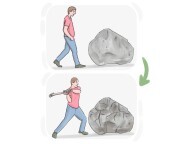
Ex: She made it clear that her intention was to finish the project ahead of the deadline. 

Она ясно дала понять, что ее намерение состояло в том, чтобы закончить проект до крайнего срока.
Закрыть
Войти
to solve
to solve
[глагол]

to find an answer or solution to a question or problem

решать

решать

Ex: A positive attitude can often help you solve various challenges in life. 

Позитивный настрой часто может помочь вам решать различные жизненные трудности.

Закрыть
Войти
solution
solution
[существительное]

a way in which a problem can be solved or dealt with

решение

решение

Ex: The team brainstormed to find a creative solution to the design challenge. 

Команда провела мозговой штурм, чтобы найти креативное решение для дизайнерской задачи.

Закрыть
Войти
LanGeek
Скачать приложение LanGeek