
El libro Insight - Pre-intermedio - Unidad 5 - 5A
Aquí encontrarás el vocabulario de la Unidad 5 - 5A del libro de curso Insight Pre-Intermediate, como "niño pequeño", "emocionar", "impresión", etc.
Revisión
Tarjetas de memoria
formas
Ortografía
Cuestionario

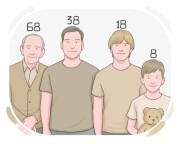
people born and living at approximately the same period of time

generación

the decade of someone's life when they are aged 20 to 29 years old
veintena, años veinte
Muchas personas en sus veintes todavía están descubriendo sus carreras.
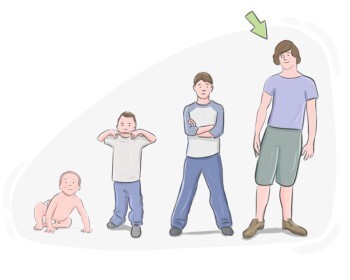
a person between the ages of 13 and 19
adolescente
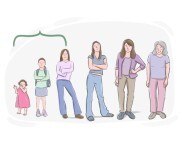
a young person who has not reached puberty or adulthood yet
niño

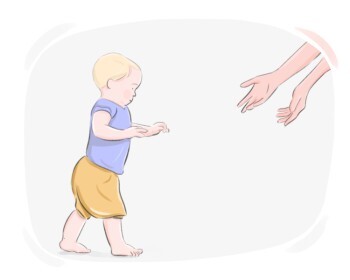
a young child who is starting to learn how to walk
niño pequeño
La guardería tenía un área de juegos especial diseñada para niños pequeños.

(of a person) approximately between 45 to 65 years old, typically indicating a stage of life between young adulthood and old age
de mediana edad
Se sentía más seguro como un profesional de mediana edad.
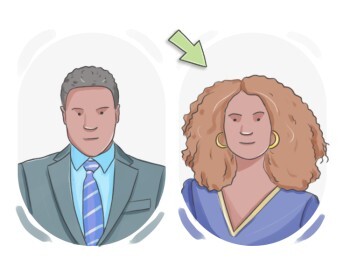
a person who is a female adult
mujer
advanced in age
mayor
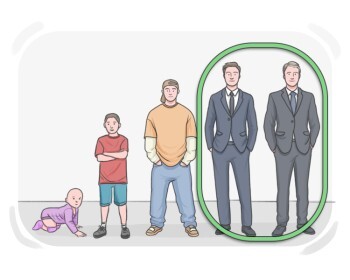
a fully grown man or woman
adulto

an old person, especially someone who is retired
persona mayor
Ella trabaja como voluntaria en un refugio que brinda apoyo y servicios a los adultos mayores.
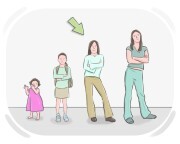
a young person who is in the process of becoming an adult
adolescente
La película se centró en los desafíos que enfrenta un adolescente.
the period of time in someone's life between the ages of 40 and 49
los cuarenta, la década de los cuarenta
Para cuando llegó a los cuarenta, ya había viajado a más de 30 países.
the period of one's life between the age of 13 and 19
adolescencia
En su adolescencia, se apasionó por la música.

an educational institution at the highest level, where we can study for a degree or do research
universidad
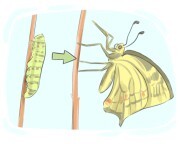
to start or grow to be
convertirse en, volverse, hacerse, llegar a ser
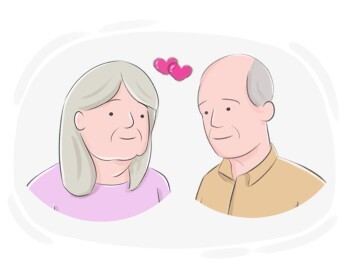
someone who is our mom or dad's parent
abuelo o abuela
Sus abuelos a menudo lo cuidan cuando sus padres están en el trabajo.

to leave your job and stop working, usually on reaching a certain age
jubilarse
![to [get] married](https://cdn.langeek.co/photo/39013/thumb/marry/350?type=jpeg "to [get] married")
to legally become someone's wife or husband

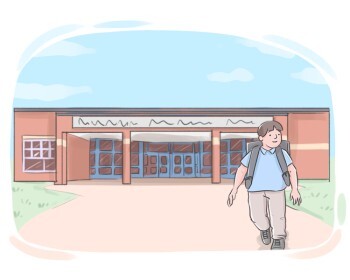
a place where children learn things from teachers
escuela, colegio
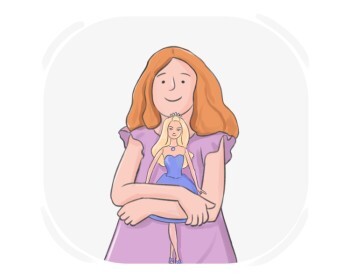
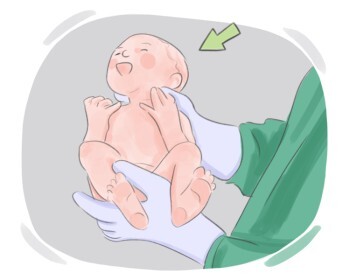
brought to this world through birth
nacido
El amor de Emily por la música era evidente desde el día en que nació, ya que se calmaba de inmediato al escuchar melodías.

to begin something new and continue doing it, feeling it, etc.
comenzar, empezar
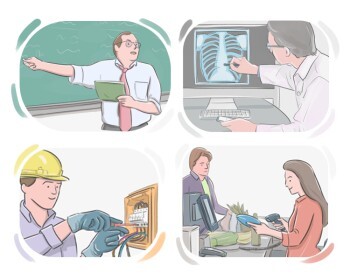
to do certain physical or mental activities in order to achieve a result or as a part of our job
trabajar

to become knowledgeable or skilled in something by doing it, studying, or being taught
aprender
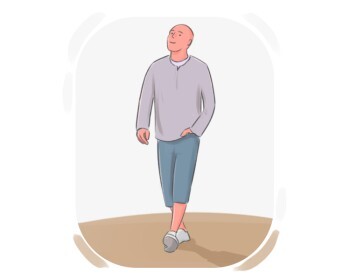
to move forward at a regular speed by placing our feet in front of each other one by one
caminar
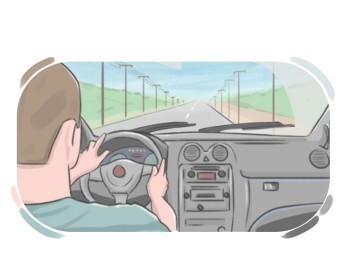
to control the movement and the speed of a car, bus, truck, etc. when it is moving
conducir

to make a person feel interested or happy, particularly about something that will happen soon
entusiasmar, emocionar
La anticipación de conocer a su autor favorito emocionó al joven ratón de biblioteca.

feeling very happy, interested, and energetic
entusiasmado, emocionado
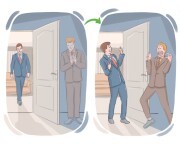
to cause a person or animal to feel scared
asustar

causing one to feel fear
alarmante, aterrador
Fue una experiencia aterradora estar perdido en el bosque.

feeling afraid, often suddenly, due to danger, threat, or shock
asustado
La expresión asustada en su rostro reveló su miedo a las alturas.

feeling or showing great surprise
asombrado
Los rostros asombrados de los niños reflejaban su asombro ante el acto de desaparición del mago.

extremely surprising, particularly in a good way
asombroso, increíble
La vista desde la cima de la montaña era increíble, con bosques interminables abajo.

to make someone feel mildly shocked
sorprender

feeling or showing shock or amazement
sorprendido
Actuó sorprendido, pero ya sabía del plan.
causing a feeling of shock, disbelief, or wonder
sorprendente
Es sorprendente lo rápido que ha pasado el tiempo.
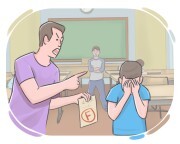
to make a person feel ashamed, uneasy, or nervous, especially in front of other people
avergonzar
Es importante no avergonzar intencionalmente a otros con burlas o burlas.

feeling ashamed and uncomfortable because of something that happened or was said
avergonzado
Intentó actuar con calma, pero su sonrisa avergonzada la delató.
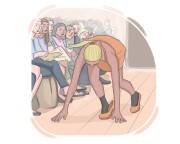
causing a person to feel ashamed or uneasy
embarazoso
Enviar accidentalmente un mensaje privado a la persona equivocada siempre es vergonzoso.

to take pleasure or find happiness in something or someone
disfrutar, gozar

the feeling of pleasure that someone experiences from an activity, a thing or a situation
disfrute, goce
El disfrute de los niños en el parque de atracciones era evidente en sus risas.
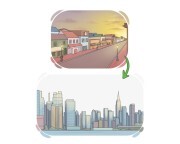
to change and become stronger or more advanced
desarrollarse

a process or state in which something becomes more advanced, stronger, etc.
desarrollo

to provide someone with support, hope, or confidence
animar, motivar
something that gives someone hope, confidence, or motivation
estímulo, aliento

to speak to someone often angrily because one disagrees with them
argumentar
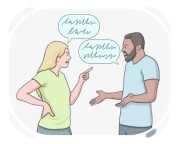
a discussion, typically a serious one, between two or more people with different views
argumento
to cause someone to form a particular opinion about a person or thing
impresionar
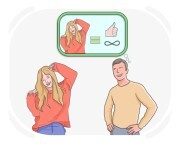
an opinion or feeling that one has about someone or something, particularly one formed unconsciously
impresión, idea
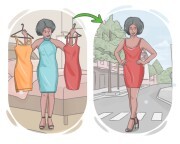
to think carefully about different things and choose one of them
decidir
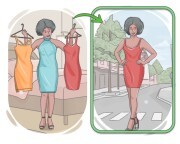
a choice or judgment that is made after adequate consideration or thought
decisión

to have something in mind as a plan or purpose
tener la intención de
something that one is aiming, wanting, or planning to do
intención
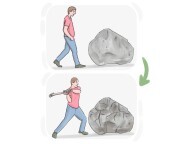
to find an answer or solution to a question or problem
resolver, solucionar
a way in which a problem can be solved or dealt with
solución
