
Kniha Insight - Předstředně pokročilý - Jednotka 5 - 5A
Zde najdete slovní zásobu z Jednotky 5 - 5A v učebnici Insight Pre-Intermediate, jako je "batole", "vzrušovat", "dojem", atd.
Revize
Kartičky
tvary
Pravopis
Kvíz

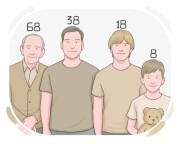
people born and living at approximately the same period of time

generace, generace

the decade of someone's life when they are aged 20 to 29 years old
dvacátá léta, věk dvaceti až devětadvaceti let
Dvacetiletí je často dobou významného osobního růstu.
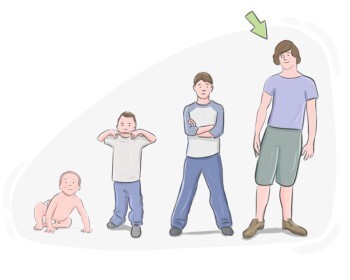
a person between the ages of 13 and 19
teenager
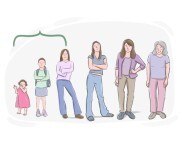
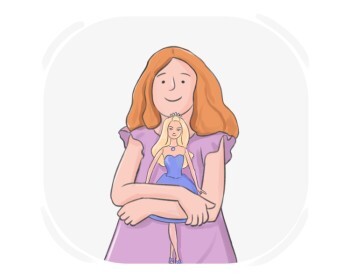
a young person who has not reached puberty or adulthood yet
dítě, dítě
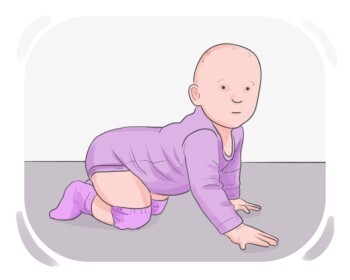
a very young child
miminko, dítě
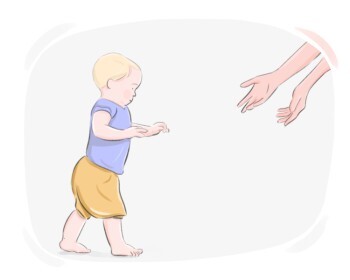
a young child who is starting to learn how to walk
batole, dítě začínající chodit
Vzali batole do parku, kde si užívalo hraní na houpačkách.
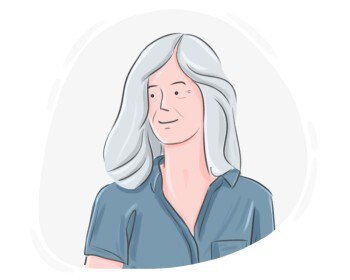
(of a person) approximately between 45 to 65 years old, typically indicating a stage of life between young adulthood and old age
středního věku
Žena středního věku kandidovala v nadcházejících volbách.
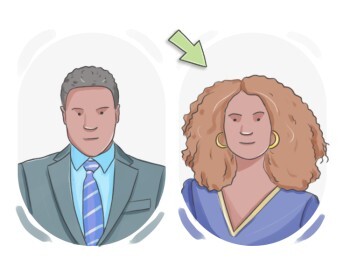
a person who is a female adult
žena, dáma
advanced in age
starší, pokročilého věku
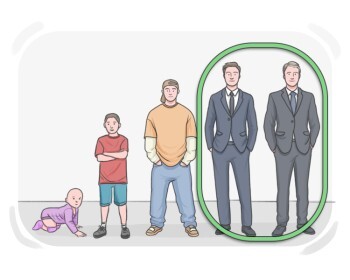
a fully grown man or woman
dospělý, dospělá osoba
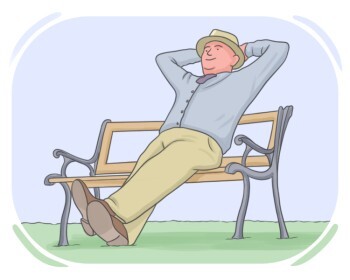
an old person, especially someone who is retired
senior, důchodce
Nová politika má za cíl zlepšit přístup ke zdravotní péči pro seniory po celé zemi.
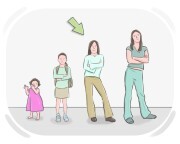
a young person who is in the process of becoming an adult
dospívající, mladý člověk
Dospívající často zažívají silné emoce, když rostou.
the period of time in someone's life between the ages of 40 and 49
čtyřicátá léta, věk čtyřiceti let
Po dosažení 40 let si uvědomil, že čtyřicítky budou dobou, kdy bude upřednostňovat rovnováhu mezi prací a osobním životem.
the period of one's life between the age of 13 and 19
dospívání, léta dospívání
Vytvořili mnoho vzpomínek během svých dospívajících let před odjezdem na vysokou školu.

an educational institution at the highest level, where we can study for a degree or do research
univerzita
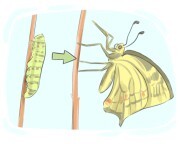
to start or grow to be
stát se, stát se
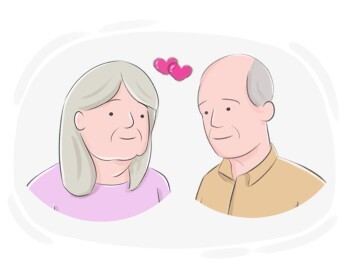
someone who is our mom or dad's parent
dědeček, babička
Každé Vánoce tráví se svými prarodiči.
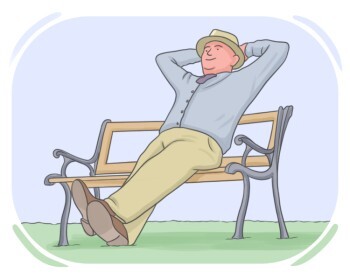
to leave your job and stop working, usually on reaching a certain age
odejít do důchodu, vzdát se
![to [get] married](https://cdn.langeek.co/photo/39013/thumb/marry/350?type=jpeg "to [get] married")
to legally become someone's wife or husband
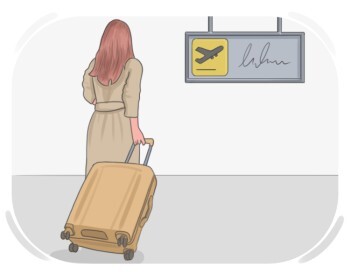
to go away from somewhere
odejít, opustit
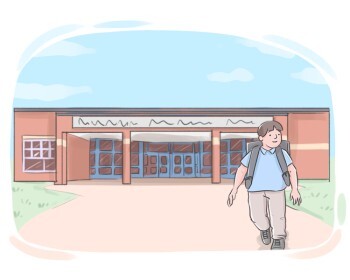
a place where children learn things from teachers
škola, vzdělávací zařízení
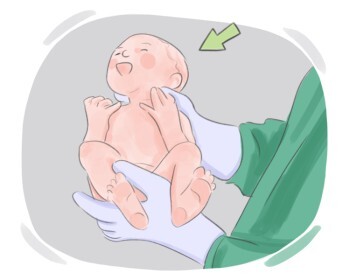
brought to this world through birth
narozený, narozená
Nově narozené hříbě udělalo své první nejisté kroky, dychtivé prozkoumat své okolí.

to begin something new and continue doing it, feeling it, etc.
začít, zahájit
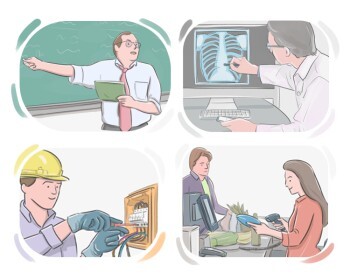
to do certain physical or mental activities in order to achieve a result or as a part of our job
pracovat
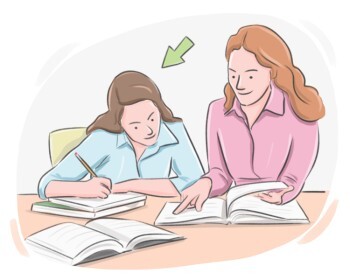
to become knowledgeable or skilled in something by doing it, studying, or being taught
učit se, studovat
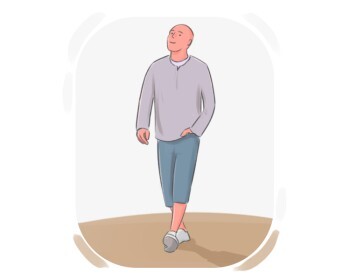
to move forward at a regular speed by placing our feet in front of each other one by one
chodit, procházet se
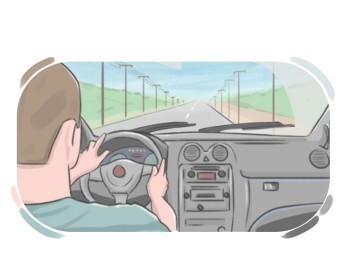
to control the movement and the speed of a car, bus, truck, etc. when it is moving
řídit

to make a person feel interested or happy, particularly about something that will happen soon
vzrušit, nadchnout
Pohled na padající sněhové vločky vzrušil obyvatele a ohlašoval příchod zimy.

feeling very happy, interested, and energetic
nadšený,vzrušený, very happy and full of energy
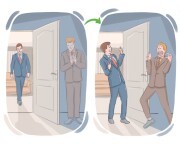
to cause a person or animal to feel scared
vyděsit, polekat

causing one to feel fear
děsivý, strašidelný
Děsivý hluk ji přiměl vyskočit.
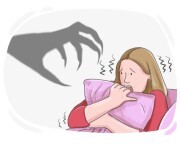
feeling afraid, often suddenly, due to danger, threat, or shock
vystrašený, vyděšený
Cítila se vyděšená, když slyšela podivné zvuky za svým oknem.

feeling or showing great surprise
ohromený, překvapený
Jeho ohromený výraz řekl mnoho o jeho reakci na neočekávanou zprávu.

extremely surprising, particularly in a good way
úžasný, ohromující
Jejich dovolená u pláže byla úžasná, s perfektním počasím každý den.

to make someone feel mildly shocked
překvapit, udivit

feeling or showing shock or amazement
překvapený, ohromený
Vypadala překvapeně, když jí uspořádali narozeninovou oslavu.
causing a feeling of shock, disbelief, or wonder
překvapující, úžasný
Jeho náhlé rozhodnutí opustit práci bylo docela překvapivé.
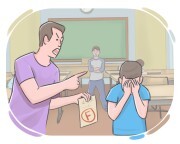
to make a person feel ashamed, uneasy, or nervous, especially in front of other people
zahanbit, uvést do rozpaků
Veřejné mluvení často zneklidňuje lidi, ale s praxí to může být pohodlnější.

feeling ashamed and uncomfortable because of something that happened or was said
rozpačitý, zahanbený
Byl očividně rozpačitý z chyby, kterou udělal.
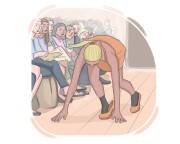
causing a person to feel ashamed or uneasy
trapný, rozpačitý
Jeho trapné uklouznutí na banánové slupce před všemi ho přimělo zčervenat hanbou.
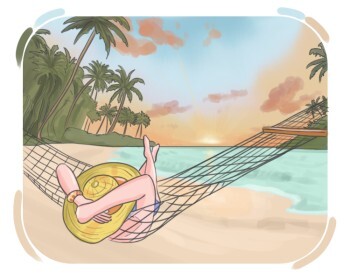
to take pleasure or find happiness in something or someone
užívat si, mít rád
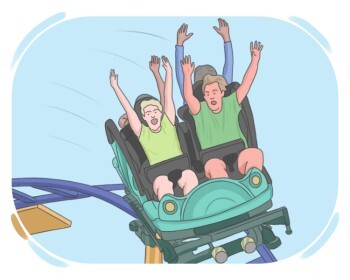
the feeling of pleasure that someone experiences from an activity, a thing or a situation
potěšení, požitek
Našel velké potěšení v hraní na klavír každý večer.
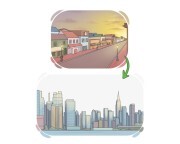
to change and become stronger or more advanced
rozvíjet, vyvíjet se

a process or state in which something becomes more advanced, stronger, etc.
vývoj

to provide someone with support, hope, or confidence
povzbudit, podpořit
something that gives someone hope, confidence, or motivation
povzbuzení, podpora

to speak to someone often angrily because one disagrees with them
hádat se, přít se
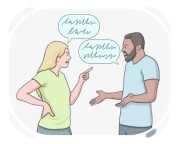
a discussion, typically a serious one, between two or more people with different views
argument, diskuse
to cause someone to form a particular opinion about a person or thing
vzbuzovat dojem, působit dojmem
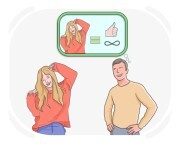
an opinion or feeling that one has about someone or something, particularly one formed unconsciously
dojem
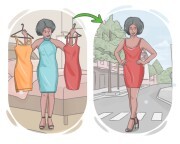
to think carefully about different things and choose one of them
rozhodnout se, rozhodovat se
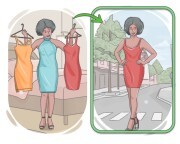
a choice or judgment that is made after adequate consideration or thought
rozhodnutí, volba
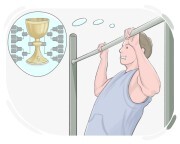
to have something in mind as a plan or purpose
mít v úmyslu, plánovat
something that one is aiming, wanting, or planning to do
záměr, úmysl
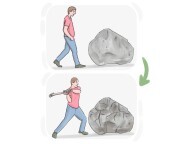
to find an answer or solution to a question or problem
řešit, vyřešit
a way in which a problem can be solved or dealt with
řešení
