

책 Insight - 초중급 - 유닛 5 - 5A

여기에서 Insight Pre-Intermediate 교과서의 5단원 - 5A에서 나온 어휘를 찾을 수 있습니다. 예를 들어 "걸음마를 배우는 아이", "흥분시키다", "인상" 등입니다.

review-disable

리뷰

flashcard-disable

플래시카드

spelling-disable

철자법

quiz-disable

퀴즈

학습 시작
책 Insight - 초중급
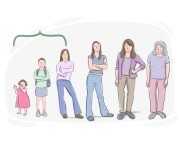
generation [명사]
اجرا کردن

세대

Ex: Each generation faces unique challenges and opportunities shaped by the events of their time .

각 세대는 그들의 시대의 사건들에 의해 형성된 독특한 도전과 기회에 직면합니다.

twenties [명사]
اجرا کردن

이십 대

Ex: Many people in their twenties are still figuring out their careers .

20대의 많은 사람들은 여전히 자신의 직업을 알아가고 있습니다.

teenager [명사]
اجرا کردن

십대

Ex: She met a teenager who was passionate about music .

그녀는 음악에 열정적인 십대를 만났다.

child [명사]
اجرا کردن

아이

Ex: She is a dedicated teacher who is passionate about nurturing and educating children .

그녀는 아이들을 양육하고 교육하는 데 열정을 가진 헌신적인 교사입니다.

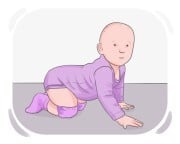
baby [명사]
اجرا کردن

아기

Ex: The baby giggled and clapped its hands in delight .

아기는 웃으며 기쁨에 손뼉을 쳤다.

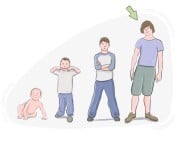
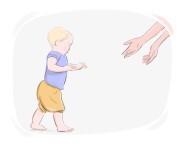
toddler [명사]
اجرا کردن

유아

Ex: The daycare center had a special play area designed for toddlers .

어린이집은 유아를 위해 설계된 특별한 놀이 공간이 있었습니다.

middle-aged [형용사]
اجرا کردن

중년의

Ex: He felt more confident as a middle-aged professional .

그는 중년 전문가로서 더 자신감을 느꼈다.

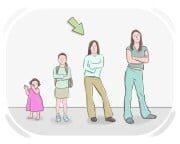
woman [명사]
اجرا کردن

여성

Ex: The woman at the library helped me find a book .

도서관에서 여성이 책을 찾는 것을 도와주셨습니다.

elderly [형용사]
اجرا کردن

노년의

Ex: The elderly residents of the nursing home appreciated visits from volunteers who provided companionship .

양로원의 노인 거주자들은 친구를 제공한 자원봉사자들의 방문을 감사히 여겼습니다.

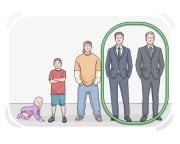
adult [명사]
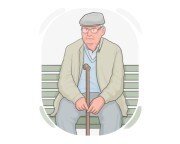
اجرا کردن

성인

Ex: Many adult learners enroll in evening classes to pursue further education .

많은 성인 학습자들이 추가 교육을 위해 야간 수업에 등록합니다.

اجرا کردن

노인

Ex: She volunteers at a shelter that provides support and services for senior citizens .

그녀는 노인들을 위한 지원과 서비스를 제공하는 쉼터에서 봉사합니다.

adolescent [명사]
اجرا کردن

청소년

Ex: The film was focused on the challenges faced by an adolescent .
forties [명사]
اجرا کردن

사십 대

Ex: By the time he reached his forties , he had already traveled to over 30 countries .

그가 40대에 도달했을 때, 그는 이미 30개국 이상을 여행했다.

teens [명사]
اجرا کردن

10대

Ex: In his teens , he became passionate about music .

그는 10대 때 음악에 열정을 갖게 되었습니다.

university [명사]
اجرا کردن

대학교

Ex: She received a scholarship to help fund her university education .

그녀는 대학 교육을 지원하기 위해 장학금을 받았습니다.

to become [동사]
اجرا کردن

되다

Ex: I became interested in photography after attending a workshop .

워크숍에 참석한 후 사진에 관심을 갖게 되었습니다.

grandparent [명사]
اجرا کردن

할아버지

Ex: His grandparents often take care of him when his parents are at work .

그의 조부모는 부모님이 일할 때 종종 그를 돌봅니다.

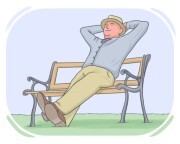
to retire [동사]
اجرا کردن

은퇴하다

Ex: It 's common for people to retire and move to warmer climates .

사람들이 은퇴하고 더 따뜻한 기후로 이사하는 것은 흔한 일입니다.

اجرا کردن

to legally become someone's wife or husband

Ex: They got married at the city courthouse in a simple and intimate ceremony .
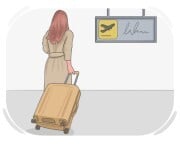
to leave [동사]
اجرا کردن

떠나다

Ex: The bus will leave in five minutes , so be quick !

버스가 5분 안에 출발할 테니 서두르세요!

school [명사]
اجرا کردن

학교

Ex: She takes the bus to school every morning .

그녀는 매일 아침 버스를 타고 학교에 갑니다.

to have [동사]
اجرا کردن

가지다

Ex: The family has a profitable real estate business .

가족은 수익성 있는 부동산 사업을 가지고 있습니다.

born [형용사]
اجرا کردن

태어난

Ex:

에밀리의 음악에 대한 사랑은 그녀가 태어난 날부터 분명했는데, 멜로디를 듣자마자 즉시 진정되었기 때문입니다.

to start [동사]
اجرا کردن

시작하다

Ex: I 'm starting to get hungry , let 's grab some food .

나는 배고프기 시작했다, 음식을 좀 먹자.

to work [동사]
اجرا کردن

일하다

Ex: They ca n't work if the internet is down .

인터넷이 다운되면 그들은 할 수 없습니다.

to learn [동사]
اجرا کردن

배우다

Ex: They are learning about history in their school lessons .

그들은 학교 수업에서 역사에 대해 배우고 있습니다.

to walk [동사]
اجرا کردن

걷다

Ex: The baby just learned to walk and is taking a few steps at a time .

아기는 방금 걷기를 배웠고 한 번에 몇 걸음 걷고 있습니다.

to drive [동사]
اجرا کردن

운전하다

Ex: I like to drive along scenic routes to enjoy the countryside .

나는 시골을 즐기기 위해 경치 좋은 길을 따라 운전하는 것을 좋아합니다.

to excite [동사]
اجرا کردن

흥분시키다

Ex: The anticipation of meeting her favorite author excited the young bookworm .

좋아하는 작가를 만날 것이라는 기대감이 어린 책벌레를 흥분시켰다.

excited [형용사]
اجرا کردن

흥분한,들뜬

Ex: The children were excited to open their presents on Christmas morning .

아이들은 크리스마스 아침에 선물을 열기 위해 흥분했습니다.

to frighten [동사]
اجرا کردن

겁주다

Ex: The news of the approaching storm frightened the residents , who quickly prepared for evacuation .

다가오는 폭풍 소식이 주민들을 겁먹게 했고, 그들은 급히 대피 준비를 했다.

frightening [형용사]
اجرا کردن

무서운

Ex: The frightening realization that they had lost their passports in a foreign country set in .

그들이 외국에서 여권을 잃어버렸다는 무서운 깨달음이 밀려왔다.

frightened [형용사]
اجرا کردن

겁에 질린

Ex: I felt frightened walking alone at night .

나는 밤에 혼자 걸을 때 두려움을 느꼈다.

amazed [형용사]
اجرا کردن

놀란

Ex: She was amazed by the magician 's final trick .

그녀는 마술사의 마지막 트릭에 놀랐다.

amazing [형용사]
اجرا کردن

놀라운

Ex: The view from the top of the mountain was amazing , with endless forests below .

산 꼭대기에서의 전망은 놀라웠고, 아래로는 끝없는 숲이 펼쳐져 있었다.

to surprise [동사]
اجرا کردن

놀라게 하다

Ex: The sudden appearance of a familiar face in the crowd managed to surprise me .

군중 속에서 익숙한 얼굴이 갑자기 나타나 나를 놀라게 했습니다.

surprised [형용사]
اجرا کردن

놀란

Ex: She was genuinely surprised at how well the presentation went .

그녀는 프레젠테이션이 얼마나 잘 진행되었는지 진심으로 놀랐다.

surprising [형용사]
اجرا کردن

놀라운

Ex: The surprising kindness of strangers made her day .

낯선 사람들의 놀라운 친절이 그녀의 하루를 만들었다.

اجرا کردن

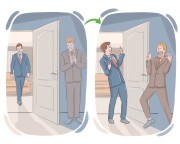
당황하게 하다

Ex: It 's important not to intentionally embarrass others with teasing or mocking .

농담이나 조롱으로 다른 사람들을 의도적으로 당황하게 만들지 않는 것이 중요합니다.

embarrassed [형용사]
اجرا کردن

당황한

Ex: She tried to act calm , but her embarrassed smile gave her away .

그녀는 차분하게 행동하려고 했지만, 그녀의 당황한 미소가 그녀를 드러냈다.

embarrassing [형용사]
اجرا کردن

당황스러운

Ex: His embarrassing behavior at the dinner table made the guests uncomfortable .

식탁에서의 그의 당황스러운 행동은 손님들을 불편하게 했다.

to enjoy [동사]
اجرا کردن

즐기다

Ex: He often enjoys hiking in the mountains during the weekends .

그는 주말에 산에서 하이킹을 즐기는 경우가 많다.

enjoyment [명사]
اجرا کردن

즐거움

Ex: The children 's enjoyment at the amusement park was evident in their laughter .

놀이공원에서 아이들의 즐거움은 그들의 웃음에서 분명했다.

to develop [동사]
اجرا کردن

발전시키다

Ex: As the disease progresses , symptoms may develop in more severe forms .

질병이 진행됨에 따라 증상이 더 심각한 형태로 발달할 수 있습니다.

development [명사]
اجرا کردن

개발

Ex: The child 's language development was impressive for his age .

그 아이의 언어 발달은 그의 나이에 비해 인상적이었다.

اجرا کردن

격려하다

Ex: The coach 's motivational speeches were designed to encourage the athletes , inspiring them to give their best performance on the field .

코치의 동기 부여 연설은 운동선수들을 격려하고, 그들이 경기장에서 최고의 성과를 내도록 영감을 주기 위해 고안되었습니다.

اجرا کردن

격려

Ex: The coach 's encouragement boosted the team 's morale .

코치의 격려가 팀의 사기를 높였다.

to argue [동사]
اجرا کردن

말다툼하다

Ex:

저는 엄마와 그런 사소한 문제로 논쟁하고 싶지 않습니다.

argument [명사]
اجرا کردن

논쟁

Ex: The siblings had a silly argument about who got the bigger slice of cake .

형제자매들은 누가 더 큰 케이크 조각을 얻었는지에 대해 어리석은 논쟁을 벌였다.

to impress [동사]
اجرا کردن

감명을 주다

Ex:

문제 해결에 대한 그의 접근 방식은 창의적이고 효율적이어서 모두를 감동시켰다.

impression [명사]
اجرا کردن

인상

Ex: He had the impression that the meeting went well , despite the lack of feedback .
to decide [동사]
اجرا کردن

결정하다

Ex:

그들은 회의 날짜를 결정했나요?

decision [명사]
اجرا کردن

결정

Ex: His decision to move to a new city was influenced by his desire for a fresh start and new opportunities .

새 도시로 이사하기로 한 그의 결정은 새로운 시작과 기회에 대한 욕구에 영향을 받았습니다.

to intend [동사]
اجرا کردن

의도하다

Ex: They intend to save money for a down payment on a house .

그들은 집의 계약금을 위해 돈을 저축할 계획이다.

intention [명사]
اجرا کردن

의도

Ex: The company 's intention was to expand into new markets by launching innovative products in the coming year .

회사의 의도는 내년에 혁신적인 제품을 출시하여 새로운 시장으로 확장하는 것이었습니다.

to solve [동사]
اجرا کردن

해결하다

Ex: The scientist conducted experiments to solve the scientific question .

과학자는 과학적 질문을 해결하기 위해 실험을 수행했다.

solution [명사]
اجرا کردن

해결책

Ex: The puzzle enthusiast quickly found the solution to the crossword puzzle .

퍼즐 애호가는 크로스워드 퍼즐의 해결책을 빠르게 찾았습니다.