
Список Слов Уровня B2 - взгляд
Здесь вы выучите некоторые английские слова, связанные с оценкой и мнением, такие как "счет", "одобрять", "одобрение" и т.д., подготовленные для учащихся уровня B2.
Обзор
Флэш-карточки
формы
Правописание
Тест


a general description of an idea, a theory, or an event

отчет
Каждый участник предоставил описание своей роли в проекте, иллюстрируя его общий успех.

to officially agree to a plan, proposal, etc.
утверждать
Совет директоров одобрил новый бюджет на предстоящий финансовый год.

a formal agreement to something
утверждение
Проект получил одобрение совета перед тем, как продолжить.

to form a judgment on the quality, worth, nature, ability or importance of something, someone, or a situation
оценивать
Менеджер оценивает работу сотрудников во время квартальных обзоров.

the act of judging or evaluating someone or something carefully based on specific standards or principles
оценка
Учитель провел оценку понимания своих учеников с помощью серии викторин и тестов.
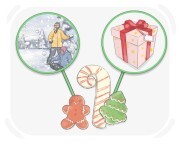
to make a connection between someone or something and another in the mind
связывать
Многие люди ассоциируют запах свежеиспечённого печенья с теплом и домом.

to think that something is true without having proof or evidence
предполагать, полагать
Она часто предполагает, что все согласны с её точкой зрения.

a series of facts supporting a theory or an argument
доводы, аргументы
Адвокат построил убедительное дело, представив ряд неопровержимых доказательств.

the ability to make sound judgments and think in a practical way
здравый смысл
Это здравый смысл пристегиваться ремнем безопасности во время вождения ради безопасности.

an instance of serious opposition between ideas, values, or interests
конфликт
Конфликт между их разными ценностями создал напряженность в группе.

a judgment or calculation of the size, extent, value, etc. of something without knowing the exact details or numbers
смета
На основе опроса компания сделала оценку количества людей, которые примут участие в мероприятии.

a strong disagreement or argument over something that involves many people
спор
Новая политика вызвала споры среди членов сообщества.
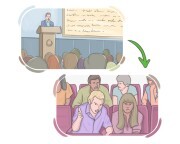
causing a lot of strong public disagreement or discussion
спорный
Некоторые из спорных идей в статье были оспорены экспертами.
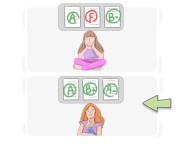
following the same course of action or behavior over time
последовательный
Она проявила последовательную преданность своим занятиям, получая высшие оценки семестр за семестром.

used to introduce additional information
кроме того
Результаты исследования подтвердили гипотезу, и кроме того, они дали ценную информацию о потенциальных применениях.

a public meeting place where people can discuss and exchange views on various topics or issues
форум
Образовательный форум предоставил платформу для учителей, чтобы делиться идеями.

an opposing argument or viewpoint that challenges an idea or theory
контраргумент
Она предвидела контраргументы на свое предложение и подготовила сильные опровержения.

a contrast of facts or ideas between two or more sides
несогласие
Разногласие между результатами исследования и предыдущими исследованиями вызвало вопросы.

a strong disagreement or conflict between two countries that often involves military action
инцидент
Недавний инцидент на границе между двумя странами обострил напряженность и привел к усилению военного присутствия с обеих сторон.

to judge something based on its positive or negative points
критиковать
Учитель критикует сочинения учеников на основе грамматики, структуры и ясности идей.

a discussion about a particular issue between two opposing sides, mainly held publicly
дискуссия
Кандидаты приняли участие в телевизионных дебатах, чтобы представить свои взгляды на экономическую политику.

to support someone or try to justify an action, plan, etc.
отстаивать, защищать
Она много работала, чтобы защитить свое исследование от критиков в академическом сообществе.

to disagree with someone or to hold different opinions, viewpoints, or beliefs
расходиться во мнениях
Они расходились во мнениях относительно наилучшего подхода к решению проблемы.

to cause disagreement among people
разделять, раскалывать
Политическая поляризация глубоко разделила страну, граждане придерживаются резко разных взглядов.
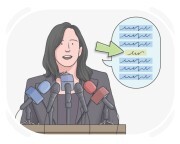
to give special attention or importance to something
подчеркнуть
Объясняя направления, я подчеркнул необходимость повернуть направо на главном перекрестке.

to no longer be friends with someone as a result of an argument
ссориться
После жаркого спора друзья поссорились и перестали разговаривать друг с другом.

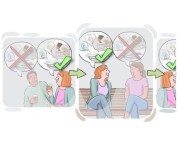
to agree with or be suitable for a particular thing
соответствовать, подходить
to have a specific opinion or belief about someone or something
придерживаться мнения
Мой дедушка придерживался традиционных ценностей, когда дело касалось семьи.
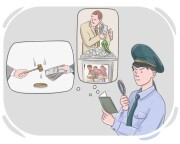
to reach an opinion or decision based on available evidence and one's understanding of the matter
заключать
После наблюдения за моделью поведения детектив мог сделать вывод, что подозреваемый был знаком с жертвой.
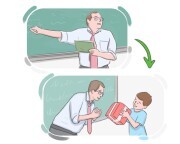
to value something or someone's good qualities
ценить, уважать
Я ценю мастерство этого handmade стола.
![to [take] {sb/sth} for granted](https://cdn.langeek.co/photo/44572/thumb/350?type=jpeg "to [take] {sb/sth} for granted")
to not appreciate a person or thing because one thinks one will never lose them
принимать как должное, не ценить
Не принимай родителей как должное; они не всегда будут рядом.

a conclusion one reaches from the existing evidence or known facts
заключение
Новаторское открытие ученого было результатом тщательных наблюдений и логических умозаключений.

not done in a complete or thorough way
поверхностный
Она бросила поверхностный взгляд на проблему, прежде чем перейти к следующей, не разобравшись в ней полностью.
![(as|so) far as {sb} [is] concerned](https://cdn.langeek.co/photo/72662/thumb/350?type=jpeg "(as|so) far as {sb} [is] concerned")
used to express an individual's opinion on a particular matter
насколько я понимаю
![to [have] a problem with {sb/sth}](https://cdn.langeek.co/photo/72586/thumb/350?type=jpeg "to [have] a problem with {sb/sth}")
to not to be able to approve or accept someone or something
иметь проблемы с

used to summarize or describe something briefly
короче говоря, вкратце
Короче говоря, план слишком дорогой и слишком рискованный.

used to introduce one's personal opinion or perspective on a topic, emphasizing on the fact that it is their personal view
если вы спросите меня
