
Seznam Slovíček Úrovně B2 - Hodnocení a Názor
Zde se naučíte některá anglická slova o hodnocení a názoru, jako je "účet", "schválit", "schválení" atd., připravená pro studenty úrovně B2.
Revize
Kartičky
tvary
Pravopis
Kvíz


a general description of an idea, a theory, or an event

vylíčení, popis
Profesor požádal studenty, aby napsali zprávu o svých výzkumných zjištěních.

to officially agree to a plan, proposal, etc.
schválit, potvrdit
Vláda schválila dodatečné financování projektu.

a formal agreement to something
schválení, souhlas
Schválení místními úřady bylo nezbytné pro stavební povolení.

to form a judgment on the quality, worth, nature, ability or importance of something, someone, or a situation
hodnotit, posuzovat
Trenér zhodnotil dovednosti hráčů během náboru do týmu.

the act of judging or evaluating someone or something carefully based on specific standards or principles
hodnocení, posouzení
Každoroční hodnocení výkonu pomohlo zaměstnancům a manažerům identifikovat oblasti pro zlepšení.
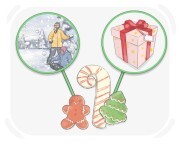
to make a connection between someone or something and another in the mind
spojovat, asociovat
Červená barva je běžně spojována s vášní a intenzitou v různých kulturách.

to think that something is true without having proof or evidence
předpokládat, domnívat se
Právě teď někteří členové týmu předpokládají, že termín projektu bude prodloužen.

a series of facts supporting a theory or an argument
případ, argument

the ability to make sound judgments and think in a practical way
zdravý rozum, rozum
Myšlenka zamykání dveří v noci je otázkou zdravého rozumu.

an instance of serious opposition between ideas, values, or interests
konflikt, opozice
Kniha zkoumala konflikt mezi individuálními právy a kolektivním dobrem.
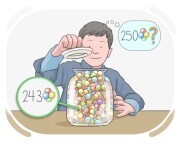
a judgment or calculation of the size, extent, value, etc. of something without knowing the exact details or numbers
odhad, nabídka
Dodavatel poskytl odhad nákladů na renovaci kuchyně.

a strong disagreement or argument over something that involves many people
kontroverze, spor
Kontroverze ohledně dopadu projektu na životní prostředí byla široce diskutována.
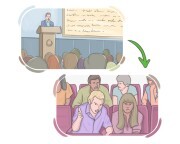
causing a lot of strong public disagreement or discussion
kontroverzní, sporný
Mnoho lidí považuje její vyjádření k této problematice za kontroverzní.
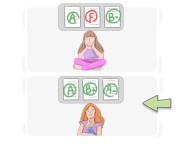
following the same course of action or behavior over time
důsledný, pravidelný
Konzistentní plán psaní autora jim umožnil vydat knihu každý rok.

used to introduce additional information
navíc, dále
Jackovo vedení inspiruje k úspěchu a přizpůsobivosti; navíc jeho vize posouvá projekt kupředu.

a public meeting place where people can discuss and exchange views on various topics or issues
fórum, diskuzní místo
Komunitní fórum umožnilo obyvatelům vyjádřit své obavy a návrhy.

an opposing argument or viewpoint that challenges an idea or theory
protinázor, opačný argument
Profesor povzbudil studenty, aby zvážili protiargumenty, aby si vytvořili komplexnější porozumění tématu.

a contrast of facts or ideas between two or more sides
nesouhlas, rozdílnost názorů
Neshoda mezi dvěma výzkumníky vyvolala debatu v akademické obci.

a strong disagreement or conflict between two countries that often involves military action
incident
Přeshraniční incident zahrnující přestřelku vedl k mimořádnému zasedání Rady bezpečnosti OSN.

to judge something based on its positive or negative points
kritizovat
Porota bude kritizovat výkon každého soutěžícího na základě technických dovedností.

a discussion about a particular issue between two opposing sides, mainly held publicly
debata
Debata o reformě zdravotní péče zůstává v politice kontroverzním tématem.

to support someone or try to justify an action, plan, etc.
bránit, podporovat
Nejnovější kniha spisovatelky si klade za cíl obhájit její kontroverzní názory na společenská témata.

to disagree with someone or to hold different opinions, viewpoints, or beliefs
lišit se, nesouhlasit
Členové týmu se lišili ve svých preferencích ohledně designu nového webu.

to cause disagreement among people
dělit, rozštěpit
Kontroverzní návrh na vybudování nové dálnice přes park rozdělil komunitu.
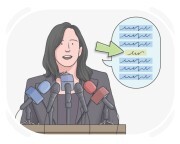
to give special attention or importance to something
zdůraznit, klást důraz na
Během svého předvolebního projevu kandidátka zdůraznila své plány na zlepšení vzdělání a zdravotní péče, pokud bude zvolena.
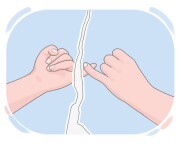
to no longer be friends with someone as a result of an argument
pohádat se, přerušit přátelství
Navzdory jejich dlouholetému přátelství způsobila řada neshod, že se pohádali a šli každý svou cestou.

to agree with or be suitable for a particular thing
hodit se, vyhovovat
Kvalifikace kandidáta dokonale odpovídají popisu práce.
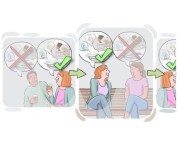
to have a specific opinion or belief about someone or something
držet, mít
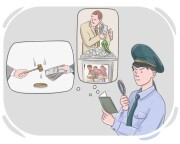
to reach an opinion or decision based on available evidence and one's understanding of the matter
usoudit, vyvodit
Ona vyvozuje odpověď na otázku zkoumáním dostupných informací.
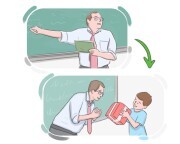
to value something or someone's good qualities
oceňovat, vážit si
Profesor oceňuje originalitu jejího výzkumu.
![to [take] {sb/sth} for granted](https://cdn.langeek.co/photo/44572/thumb/350?type=jpeg "to [take] {sb/sth} for granted")
to not appreciate a person or thing because one thinks one will never lose them
brát jako samozřejmost, nevážit si
Nikdy neber své zdraví jako samozřejmost.

a conclusion one reaches from the existing evidence or known facts
závěr, usuzování
Detektiv učinil klíčový závěr ohledně alibi podezřelého na základě nových důkazů.

not done in a complete or thorough way
povrchní, povrchní
Kniha poskytuje povrchní přehled éry, aniž by se ponořila do složitostí a nuancí.
![(as|so) far as {sb} [is] concerned](https://cdn.langeek.co/photo/72662/thumb/350?type=jpeg "(as|so) far as {sb} [is] concerned")
used to express an individual's opinion on a particular matter
![to [have] a problem with {sb/sth}](https://cdn.langeek.co/photo/72586/thumb/350?type=jpeg "to [have] a problem with {sb/sth}")
to not to be able to approve or accept someone or something

used to summarize or describe something briefly
stručně řečeno, zkrátka
Celý příběh ti řeknu později, ale stručně řečeno, vyhráli jsme.

used to introduce one's personal opinion or perspective on a topic, emphasizing on the fact that it is their personal view
