


pattern

B2 수준 단어 목록 - 평가와 의견

여기에서 B2 학습자를 위해 준비된 "계정", "승인", "승인" 등 평가와 의견에 관한 몇 가지 영어 단어를 배우게 됩니다.

리뷰

플래시카드

형태

철자법

퀴즈

학습 시작
CEFR B2 Vocabulary
account
account
[명사]

a general description of an idea, a theory, or an event

설명, 기술

설명, 기술

Ex: Her account of the historical event provided a new perspective on the cause of the conflict. 
닫기
로그인
to approve
to approve
[동사]

to officially agree to a plan, proposal, etc.

승인하다, 인가하다

승인하다, 인가하다

Ex: The board of directors approved the new budget for the upcoming fiscal year. 
닫기
로그인
approval
approval
[명사]

a formal agreement to something

승인, 동의

승인, 동의

Ex: The project received approval from the board before moving forward. 
닫기
로그인
to assess
to assess
[동사]

to form a judgment on the quality, worth, nature, ability or importance of something, someone, or a situation

평가하다, 판단하다

평가하다, 판단하다

Ex: The manager assesses employees' performance during quarterly reviews. 
닫기
로그인
assessment
assessment
[명사]

the act of judging or evaluating someone or something carefully based on specific standards or principles

평가, 판단

평가, 판단

Ex: The teacher conducted an assessment of her students' understanding through a series of quizzes and tests. 
닫기
로그인
to associate
to associate
[동사]

to make a connection between someone or something and another in the mind

연상하다, 관련시키다

연상하다, 관련시키다

Ex: Many people associate the smell of freshly baked cookies with warmth and home. 
닫기
로그인
to assume
to assume
[동사]

to think that something is true without having proof or evidence

가정하다, 추정하다

가정하다, 추정하다

Ex: She often assumes that everyone agrees with her perspective. 
닫기
로그인
case
case
[명사]

a series of facts supporting a theory or an argument

사건, 논거

사건, 논거

Ex: The lawyer built a strong case by presenting a series of compelling pieces of evidence. 
닫기
로그인
common sense
common sense
[명사]

the ability to make sound judgments and think in a practical way

상식, 이성

상식, 이성

Ex: It is common sense to wear a seatbelt while driving for safety. 
닫기
로그인
conflict
conflict
[명사]

an instance of serious opposition between ideas, values, or interests

갈등, 대립

갈등, 대립

Ex: The conflict between their differing values created tension in the group. 
닫기
로그인
estimate
estimate
[명사]

a judgment or calculation of the size, extent, value, etc. of something without knowing the exact details or numbers

추정, 견적

추정, 견적

Ex: The contractor provided an estimate for the cost of renovating the kitchen. 
닫기
로그인
controversy
controversy
[명사]

a strong disagreement or argument over something that involves many people

논란,  논쟁

논란, 논쟁

Ex: The new policy sparked a controversy among community members. 
닫기
로그인
controversial
controversial
[형용사]

causing a lot of strong public disagreement or discussion

논란의 여지가 있는,  논쟁적인

논란의 여지가 있는, 논쟁적인

Ex: The politician's controversial statements about immigration sparked heated discussions among voters. 
닫기
로그인
consistent
consistent
[형용사]

following the same course of action or behavior over time

일관된, 규칙적인

일관된, 규칙적인

Ex: She showed consistent dedication to her studies, earning top grades semester after semester. 
닫기
로그인
furthermore
furthermore
[부사]

used to introduce additional information

또한, 더욱이

또한, 더욱이

Ex: The research findings supported the hypothesis, and furthermore, they provided valuable insights into potential applications. 
닫기
로그인
forum
forum
[명사]

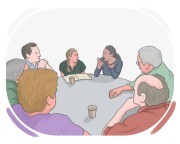
a public meeting place where people can discuss and exchange views on various topics or issues

포럼, 토론 장소

포럼, 토론 장소

Ex: The community forum allowed residents to voice their concerns and suggestions. 
닫기
로그인
counterargument

an opposing argument or viewpoint that challenges an idea or theory

반론, 대립하는 견해

반론, 대립하는 견해

Ex: She anticipated the counterarguments to her proposal and prepared strong rebuttals. 
닫기
로그인
disagreement
disagreement
[명사]

a contrast of facts or ideas between two or more sides

불일치, 의견 차이

불일치, 의견 차이

Ex: The disagreement between the study's findings and previous research raised questions. 
닫기
로그인
incident
incident
[명사]

a strong disagreement or conflict between two countries that often involves military action

사건

사건

Ex: The recent border incident between the two countries has escalated tensions and led to increased military presence on both sides. 
닫기
로그인
to criticize
to criticize
[동사]

to judge something based on its positive or negative points

비평하다

비평하다

Ex: The teacher will criticize the students' essays based on grammar, structure, and clarity of ideas. 
닫기
로그인
debate
debate
[명사]

a discussion about a particular issue between two opposing sides, mainly held publicly

토론

토론

Ex: The candidates participated in a televised debate to present their views on economic policy. 
닫기
로그인
to defend
to defend
[동사]

to support someone or try to justify an action, plan, etc.

방어하다, 지지하다

방어하다, 지지하다

Ex: She worked hard to defend her research against critics in the academic community. 
닫기
로그인
to differ
to differ
[동사]

to disagree with someone or to hold different opinions, viewpoints, or beliefs

다르다, 동의하지 않다

다르다, 동의하지 않다

Ex: They differed on the best approach to solving the problem. 
닫기
로그인
to divide
to divide
[동사]

to cause disagreement among people

나누다, 분열시키다

나누다, 분열시키다

Ex: The controversial proposal to build a new highway through the park divided the community. 
닫기
로그인
to emphasize
to emphasize
[동사]

to give special attention or importance to something

강조하다, 중점을 두다

강조하다, 중점을 두다

Ex: Throughout her campaign speech, the candidate emphasized her plans for improving education and healthcare if elected. 
닫기
로그인
to fall out
to fall out
[동사]

to no longer be friends with someone as a result of an argument

다투다, 관계를 끊다

다투다, 관계를 끊다

Ex: After a heated debate, the friends fell out and stopped speaking to each other. 
닫기
로그인
to fit
to fit
[동사]

to agree with or be suitable for a particular thing

맞다, 적합하다

맞다, 적합하다

Ex: The candidate's qualifications fit the job description perfectly. 
닫기
로그인
to hold
to hold
[동사]

to have a specific opinion or belief about someone or something

가지다, 믿다

가지다, 믿다

Ex: My grandfather held traditional values when it came to family. 
닫기
로그인
to infer
to infer
[동사]

to reach an opinion or decision based on available evidence and one's understanding of the matter

추론하다, 추정하다

추론하다, 추정하다

Ex: After observing the pattern of behavior, the detective could infer that the suspect was familiar with the victim. 
닫기
로그인
to appreciate

to value something or someone's good qualities

감사하다, 소중히 여기다

감사하다, 소중히 여기다

Ex: I appreciate the craftsmanship of this handmade table. 
닫기
로그인
to [take] {sb/sth} for granted

to not appreciate a person or thing because one thinks one will never lose them

당연하게 여기다, 소중함을 모르다

당연하게 여기다, 소중함을 모르다

Ex: Don't take your parents for granted; they won't always be around. 
닫기
로그인
inference
inference
[명사]

a conclusion one reaches from the existing evidence or known facts

추론, 추정

추론, 추정

Ex: The detective made a crucial inference about the suspect's alibi based on the new evidence. 
닫기
로그인
superficial
superficial
[형용사]

not done in a complete or thorough way

피상적인, 피상적인

피상적인, 피상적인

Ex: The book provides a superficial overview of the era without delving into the complexities and nuances. 
닫기
로그인
(as|so) far as {sb} [is] concerned

used to express an individual's opinion on a particular matter

Ex: As far as he was concerned, the blame for his financial woes lay with the state. 
닫기
로그인
to [have] a problem with {sb/sth}

to not to be able to approve or accept someone or something

Ex: He clearly has a problem with his neighbor's loud music. 
닫기
로그인
in a nutshell

used to summarize or describe something briefly

요컨대, 간단히 말해

요컨대, 간단히 말해

Ex: The movie, in a nutshell, is about a group of friends who embark on an adventurous journey. 
닫기
로그인
if you ask me

used to introduce one's personal opinion or perspective on a topic, emphasizing on the fact that it is their personal view

Ex: If you ask me, the book was much better than the movie adaptation. 
닫기
로그인
LanGeek
LanGeek 앱 다운로드