
Listă de Cuvinte Nivel B2 - Evaluare și Opinie
Aici veți învăța câteva cuvinte în engleză despre evaluare și opinie, cum ar fi "cont", "aproba", "aprobare" etc., pregătite pentru cursanții de nivel B2.
Revizuire
Fișe de studiu
forme
Ortografie
Chestionar


a general description of an idea, a theory, or an event

relatare, descriere
Relatarea supraviețuitorului a evidențiat provocările întâmpinate în timpul dezastrului.

to officially agree to a plan, proposal, etc.
aproba, valida
Consiliul de administrație a aprobat noul buget pentru anul fiscal viitor.

a formal agreement to something
aprobare, consimțământ
Proiectul a primit aprobarea consiliului înainte de a merge mai departe.

to form a judgment on the quality, worth, nature, ability or importance of something, someone, or a situation
evalua, judeca
Managerul evaluează performanța angajaților în timpul evaluărilor trimestriale.

the act of judging or evaluating someone or something carefully based on specific standards or principles
evaluare, estimare
Profesorul a efectuat o evaluare a înțelegerii elevilor săi printr-o serie de teste și examene.
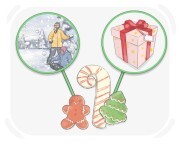
to make a connection between someone or something and another in the mind
asocia, legă
Mulți oameni asociază mirosul de prăjituri proaspăt coapte cu căldura și cu casa.

to think that something is true without having proof or evidence
presupune, considera
Ea deseori presupune că toată lumea este de acord cu perspectiva ei.

a series of facts supporting a theory or an argument
caz, argument
Avocatul a construit un caz solid prin prezentarea unei serii de dovezi convingătoare.

the ability to make sound judgments and think in a practical way
bun simț, simț comun
Este bun simț să porți centura de siguranță în timpul condusului pentru siguranță.

an instance of serious opposition between ideas, values, or interests
conflict, opozitie
Conflictul dintre valorile lor diferite a creat tensiune în grup.
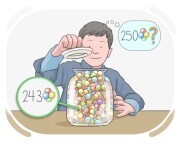
a judgment or calculation of the size, extent, value, etc. of something without knowing the exact details or numbers
estimare, devis
Pe baza sondajului, compania a făcut o estimare a numărului de persoane care vor participa la eveniment.

a strong disagreement or argument over something that involves many people
controversă, polemică
Noua politică a stârnit o controversă în rândul membrilor comunității.
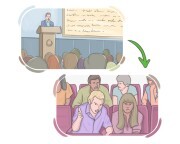
causing a lot of strong public disagreement or discussion
controversat, polemic
Noul film a fost criticat pentru temele sale controversate.
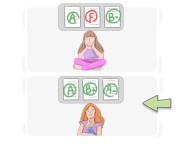
following the same course of action or behavior over time
consistent, regulat
Ea a demonstrat o dedicație consecventă față de studiile sale, obținând cele mai bune note semestru după semestru.

used to introduce additional information
în plus, mai mult
Rezultatele cercetării au susținut ipoteza și, în plus, au oferit perspective valoroase asupra aplicațiilor potențiale.

a public meeting place where people can discuss and exchange views on various topics or issues
forum, spațiu de discuții
Forumul anual a adunat experți pentru a împărtăși cunoștințe și perspective.

an opposing argument or viewpoint that challenges an idea or theory
contraargument, argument opus
Ea a anticipat contraargumentele la propunerea sa și a pregătit replici puternice.

a contrast of facts or ideas between two or more sides
dezacord, divergență
Neînțelegerea dintre rezultatele studiului și cercetările anterioare a ridicat întrebări.

a strong disagreement or conflict between two countries that often involves military action
incident
Recentul incident de frontieră dintre cele două țări a escaladat tensiunile și a dus la o prezență militară sporită de ambele părți.

to judge something based on its positive or negative points
critica
Profesorul va critica eseurile studenților pe baza gramaticii, structurii și clarității ideilor.

a discussion about a particular issue between two opposing sides, mainly held publicly
dezbatere
Candidații au participat la un dezbatere televizată pentru a-și prezenta punctele de vedere privind politica economică.

to support someone or try to justify an action, plan, etc.
apăra, sprijini
A muncit din greu pentru a-și apăra cercetarea împotriva criticilor din comunitatea academică.

to disagree with someone or to hold different opinions, viewpoints, or beliefs
difera, a nu fi de acord
Ei diferă în ceea ce privește cea mai bună abordare pentru rezolvarea problemei.

to cause disagreement among people
diviza, separa
Polarizarea politică a divizat profund țara, cetățenii având opinii radical diferite.
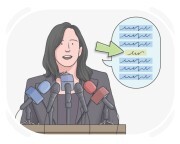
to give special attention or importance to something
sublinia, accentua
Când explicam direcțiile, am subliniat să virați la dreapta la intersecția principală.

to no longer be friends with someone as a result of an argument
se certa, a rupe relația
După o dezbatere aprigă, prietenii s-au certat și au încetat să mai vorbească unul cu altul.

to agree with or be suitable for a particular thing
se potrivi, a corespunde
Personalitatea lui nu se potrivește foarte bine cu cultura companiei.
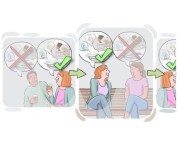
to have a specific opinion or belief about someone or something
ține, avea
Bunicul meu ținea la valori tradiționale când era vorba de familie.
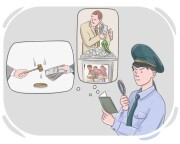
to reach an opinion or decision based on available evidence and one's understanding of the matter
deduce, infera
După ce a observat modelul de comportament, detectivul a putut deduce că suspectul era familiar cu victima.
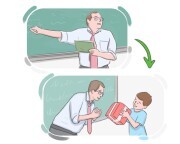
to value something or someone's good qualities
aprecia, preţui
Apreciez meșteșugul acestui masă făcută manual.
![to [take] {sb/sth} for granted](https://cdn.langeek.co/photo/44572/thumb/350?type=jpeg "to [take] {sb/sth} for granted")
to not appreciate a person or thing because one thinks one will never lose them
a lua de bun, a nu aprecia
Nu-ți lua părinții de buni; nu vor fi mereu lângă tine.

a conclusion one reaches from the existing evidence or known facts
inferență, deducție
Descoperirea inovatoare a omului de știință a fost rezultatul observațiilor atente și al inferențelor logice.

not done in a complete or thorough way
superficial, superficială
A avut doar o înțelegere superficială a subiectului, abia zgâriind suprafața în studiile sale.
![(as|so) far as {sb} [is] concerned](https://cdn.langeek.co/photo/72662/thumb/350?type=jpeg "(as|so) far as {sb} [is] concerned")
used to express an individual's opinion on a particular matter
![to [have] a problem with {sb/sth}](https://cdn.langeek.co/photo/72586/thumb/350?type=jpeg "to [have] a problem with {sb/sth}")
to not to be able to approve or accept someone or something

used to summarize or describe something briefly
pe scurt, în câteva cuvinte
Pe scurt, planul este prea scump și prea riscant.

used to introduce one's personal opinion or perspective on a topic, emphasizing on the fact that it is their personal view
