pattern

Lista Słówek Poziomu B2 - Ocena i Opinia

Tutaj nauczysz się niektórych angielskich słów dotyczących oceny i opinii, takich jak "konto", "zatwierdzać", "zatwierdzenie" itp., przygotowanych dla uczących się na poziomie B2.

Przegląd

Fiszki

formy

Pisownia

Test

Zacznij naukę
CEFR B2 Vocabulary
account
account
[Rzeczownik]

a general description of an idea, a theory, or an event

relacja, opis

relacja, opis

Ex: The account given by the survivor highlighted the challenges faced during the disaster. 
to approve
to approve
[Czasownik]

to officially agree to a plan, proposal, etc.

zatwierdzać, aprobować

zatwierdzać, aprobować

Ex: The board of directors approved the new budget for the upcoming fiscal year. 
approval
approval
[Rzeczownik]

a formal agreement to something

zatwierdzenie, zgoda

zatwierdzenie, zgoda

Ex: The project received approval from the board before moving forward. 
to assess
to assess
[Czasownik]

to form a judgment on the quality, worth, nature, ability or importance of something, someone, or a situation

oceniać, osądzać

oceniać, osądzać

Ex: The manager assesses employees' performance during quarterly reviews. 
assessment
assessment
[Rzeczownik]

the act of judging or evaluating someone or something carefully based on specific standards or principles

ocena, ewaluacja
ocena, ewaluacja

Ex: The teacher conducted an assessment of her students' understanding through a series of quizzes and tests. 
to associate
to associate
[Czasownik]

to make a connection between someone or something and another in the mind

kojarzyć, wiązać

kojarzyć, wiązać

Ex: Many people associate the smell of freshly baked cookies with warmth and home. 
to assume
to assume
[Czasownik]

to think that something is true without having proof or evidence

zakładać, przypuszczać

zakładać, przypuszczać

Ex: She often assumes that everyone agrees with her perspective. 
case
case
[Rzeczownik]

a series of facts supporting a theory or an argument

przypadek, argument

przypadek, argument

Ex: The case for the new policy was supported by extensive research and data analysis. 
common sense
common sense
[Rzeczownik]

the ability to make sound judgments and think in a practical way

zdrowy rozsądek, rozsądek

zdrowy rozsądek, rozsądek

Ex: Common sense suggests that eating healthy foods benefits overall well-being. 

Zdrowy rozsądek podpowiada, że jedzenie zdrowej żywności przynosi korzyści ogólnemu samopoczuciu.

conflict
conflict
[Rzeczownik]

an instance of serious opposition between ideas, values, or interests

konflikt, sprzeczność
konflikt, sprzeczność

Ex: The conflict between their differing values created tension in the group. 
estimate
estimate
[Rzeczownik]

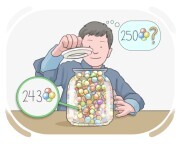
a judgment or calculation of the size, extent, value, etc. of something without knowing the exact details or numbers

oszacowanie, wycena

oszacowanie, wycena

Ex: The appraiser offered an estimate of the house's market value. 
controversy
controversy
[Rzeczownik]

strong public disagreement or debate about an issue, often involving opposing opinions

kontrowersja,  spór
kontrowersja, spór

Ex: The article became the subject of intense controversy. 
controversial
controversial
[przymiotnik]

causing a lot of strong public disagreement or discussion

kontrowersyjny,  sporny

kontrowersyjny, sporny

Ex: The new movie has been criticized for its controversial themes. 

Nowy film został skrytykowany za swoje kontrowersyjne tematy.
consistent
consistent
[przymiotnik]

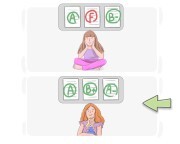
following the same course of action or behavior over time

konsekwentny, regularny

konsekwentny, regularny

Ex: The teacher praised the student for their consistent attendance and participation in class. 

Nauczyciel pochwalił ucznia za jego konsekwentną frekwencję i udział w zajęciach.

furthermore
furthermore
[przysłówek]

used to introduce additional information

ponadto, co więcej

ponadto, co więcej

Ex: Ancient ruins hold historical significance; furthermore, their preservation is crucial. 

Starożytne ruiny mają znaczenie historyczne; ponadto ich ochrona jest kluczowa.

forum
forum
[Rzeczownik]

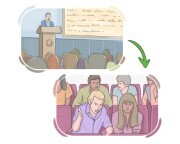
a meeting or assembly in which people openly discuss a subject or issue

forum

forum

Ex: Candidates answered questions during the public forum. 
counterargument
counterargument
[Rzeczownik]

an opposing argument or viewpoint that challenges an idea or theory

kontrargument, przeciwny pogląd

kontrargument, przeciwny pogląd

Ex: During the debate, each speaker raised counterarguments to undermine the opposing side's position. 

Podczas debaty każdy mówca przedstawiał kontrargumenty, aby podważyć stanowisko strony przeciwnej.

disagreement
disagreement
[Rzeczownik]

a contrast of facts or ideas between two or more sides

niezgoda, rozbieżność

niezgoda, rozbieżność

Ex: The disagreement between the study's findings and previous research raised questions. 
incident
incident
[Rzeczownik]

a strong disagreement or conflict between two countries that often involves military action

incydent

incydent

Ex: The recent border incident between the two countries has escalated tensions and led to increased military presence on both sides. 
to criticize
to criticize
[Czasownik]

to evaluate or discuss the merits and faults of a work, idea, or performance

krytykować,  omawiać

krytykować, omawiać

Ex: Daniel criticized the novel by examining both its strengths and weaknesses. 
debate
debate
[Rzeczownik]

a discussion about a particular issue between two opposing sides, mainly held publicly

debata

debata

Ex: The candidates participated in a televised debate to present their views on economic policy. 
to defend
to defend
[Czasownik]

to support someone or try to justify an action, plan, etc.

bronić, wspierać

bronić, wspierać

Ex: She worked hard to defend her research against critics in the academic community. 
to differ
to differ
[Czasownik]

to disagree with someone or to hold different opinions, viewpoints, or beliefs

różnić się, nie zgadzać się

różnić się, nie zgadzać się

Ex: They differed on the best approach to solving the problem. 
to divide
to divide
[Czasownik]

to cause disagreement among people

dzielić, rozszczepiać
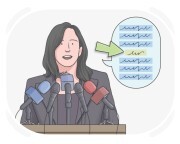
dzielić, rozszczepiać

Ex: The debate over education reform has divided parents and educators. 
to emphasize
to emphasize
[Czasownik]

to give special attention or importance to something

podkreślać, akcentować

podkreślać, akcentować

Ex: His use of silence in the speech emphasized the gravity of the situation, leaving the audience in contemplative silence. 
to fall out
to fall out
[Czasownik]

to no longer be friends with someone as a result of an argument

pokłócić się, zerwać przyjaźń

pokłócić się, zerwać przyjaźń

Ex: Political differences caused the neighbors to fall out, leading to a strained relationship. 

Różnice polityczne spowodowały, że sąsiedzi pokłócili się, co doprowadziło do napiętych relacji.

to fit
to fit
[Czasownik]

to agree with or be suitable for a particular thing

pasować, odpowiadać
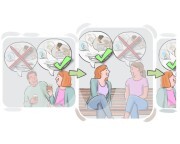
pasować, odpowiadać

Ex: The candidate's qualifications fit the job description perfectly. 
to hold
to hold
[Czasownik]

to have a specific opinion or belief about someone or something

trzymać, mieć
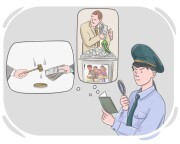
trzymać, mieć

Ex: The community holds great affection for their local hero. 
to infer
to infer
[Czasownik]

to reach an opinion or decision based on available evidence and one's understanding of the matter

wnioskować, wywnioskować

wnioskować, wywnioskować

Ex: The team inferred historical events from the artifacts discovered during the excavation. 

Zespół wywnioskował wydarzenia historyczne z artefaktów odkrytych podczas wykopalisk.
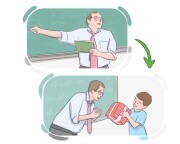
to appreciate
to appreciate
[Czasownik]

to value something or someone's good qualities

doceniać, cenić

doceniać, cenić

Ex: I appreciate the craftsmanship of this handmade table. 
to [take] {sb/sth} for granted

to not appreciate a person or thing because one thinks one will never lose them

brać za pewnik, nie doceniać

brać za pewnik, nie doceniać

Ex: She felt taken for granted at work. 

W pracy czuła się niedoceniana.

inference
inference
[Rzeczownik]

a conclusion one reaches from the existing evidence or known facts

wniosek, wywód

wniosek, wywód

Ex: In literature, readers often make inferences about characters' motivations based on their actions and dialogue. 

W literaturze czytelnicy często wyciągają wnioski na temat motywacji postaci na podstawie ich działań i dialogów.

superficial
superficial
[przymiotnik]

not done in a complete or thorough way

powierzchowny, powierzchowna

powierzchowny, powierzchowna

Ex: The book provides a superficial overview of the era without delving into the complexities and nuances. 

Książka zapewnia powierzchowny przegląd epoki, nie zagłębiając się w złożoność i niuanse.

(as|so) far as {sb} [is] concerned

used to express an individual's opinion on a particular matter

Ex: So far as they are concerned, education should be accessible to all and should prioritize inclusivity. 
to [have] a problem with {sb/sth}

to not to be able to approve or accept someone or something

Ex: Do you have a problem with the seating arrangement at the event? 
in a nutshell
in a nutshell
[przysłówek]

used to summarize or describe something briefly

krótko mówiąc, w skrócie

krótko mówiąc, w skrócie

Ex: The report says, in a nutshell, that the system is outdated. 

Raport mówi w skrócie, że system jest przestarzały.

if you ask me

used to introduce one's personal opinion or perspective on a topic, emphasizing on the fact that it is their personal view

Ex: If you ask me, she's the best candidate for the job. 
LanGeek
Pobierz aplikację LanGeek