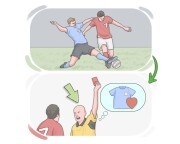
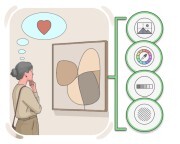
pattern

Необходимый Словарный Запас для TOEFL - Гордость и предубеждение

Здесь вы узнаете некоторые английские слова о гордости и предубеждении, такие как "восхищаться", "вкус", "ненавидеть" и т. д., которые необходимы для экзамена TOEFL.

Обзор

Флэш-карточки

формы

Правописание

Тест

Начать учиться
Essential Words Needed for TOEFL
admiration
admiration
[существительное]

a feeling of much respect for and approval of someone or something

восхищение

восхищение

Ex: He spoke about his mentor with deep admiration, crediting her for his success and inspiration .

Он говорил о своем наставнике с глубоким восхищением, приписывая ей свой успех и вдохновение.

Закрыть
Войти
to admire
to admire
[глагол]

to express respect toward someone or something often due to qualities, achievements, etc.

восхищаться

восхищаться

Ex: The community admires the local philanthropist for their generosity and commitment to charitable causes .

Сообщество восхищается местным филантропом за его щедрость и приверженность благотворительным делам.

Закрыть
Войти
biased
biased
[прилагательное]

having a preference or unfair judgment toward one side or viewpoint over others

предубежденный

предубежденный

Ex: It's important to consider multiple sources of information to avoid being biased in your conclusions.

Важно учитывать несколько источников информации, чтобы избежать предвзятости в ваших выводах.

Закрыть
Войти
disgust
disgust
[существительное]

a strong feeling of distaste for someone or something

отвращение

отвращение

Ex: She felt a wave of disgust wash over her as she discovered the unsanitary conditions of the public restroom.

Она почувствовала, как волна отвращения накрыла её, когда она обнаружила антисанитарные условия в общественном туалете.

Закрыть
Войти
taste
taste
[существительное]

the ability to recognize something with good quality or high standard, especially in art, style, beauty, etc., based on personal preferences

вкус

вкус

Ex: Developing a sophisticated taste in fashion often involves exploring different styles and understanding personal preferences .
Закрыть
Войти
preference
preference
[существительное]

a tendency or predisposition to favor something over other options

предпочтение

предпочтение

Ex: His preference for morning workouts guided his schedule .

Его предпочтение утренних тренировок определяло его расписание.

Закрыть
Войти
to despise
to despise
[глагол]

to hate and have no respect for something or someone

презирать

презирать

Ex: We despise cruelty to animals and support organizations that work to protect them .

Мы презираем жестокость по отношению к животным и поддерживаем организации, которые работают над их защитой.

Закрыть
Войти
to detest
to detest
[глагол]

to absolutely hate someone or something

ненавидеть

ненавидеть

Ex: We detest dishonesty and value truthfulness and integrity.

Мы ненавидим нечестность и ценим правдивость и честность.

Закрыть
Войти
to favor
to favor
[глагол]

to treat someone better than someone else, especially in an unfair manner

благоприятствовать

благоприятствовать

Ex: It 's unfair when they favor people based on who they know .

Это несправедливо, когда они благоволят людям в зависимости от того, кого они знают.

Закрыть
Войти
to find
to find
[глагол]

(of a law court) to make an official decision

признавать

признавать

Ex: The judge found the defendant guilty of theft and sentenced him to prison.

Судья признал подсудимого виновным в краже и приговорил его к тюремному заключению.

Закрыть
Войти
appeal
appeal
[существительное]

the attraction and allure that makes one interesting

привлекательность

привлекательность

Ex: The scenic beauty of the beach enhances its appeal.

Живописная красота пляжа усиливает его привлекательность.

Закрыть
Войти
to adore
to adore
[глагол]

to love and respect someone very much

обожать

обожать

Ex: They adore their parents for the sacrifices they 've made for the family .

Они обожают своих родителей за жертвы, которые они принесли ради семьи.

Закрыть
Войти
to please
to please
[глагол]

to make someone satisfied or happy

доставлять

доставлять

Ex: He pleases his parents by cleaning up the house before they return from their trip .

Он радует своих родителей, убирая дом до их возвращения из поездки.

Закрыть
Войти
to contest
to contest
[глагол]

to formally oppose or challenge a decision or a statement

опротестовывать

опротестовывать

Ex: They filed paperwork to contest the patent granted to their competitor .

Они подали документы, чтобы оспаривать патент, выданный их конкуренту.

Закрыть
Войти
criteria
criteria
[существительное]

the particular characteristics that are considered when evaluating something

критерии, параметры

критерии, параметры

Ex: The criteria for this research study include patient age and medical history .
Закрыть
Войти
to commit
to commit
[глагол]

to be dedicated to a person, cause, policy, etc.

посвятить себя

посвятить себя

Ex: They committed their resources to environmental protection .

Они посвятили свои ресурсы защите окружающей среды.

Закрыть
Войти
inflexible
inflexible
[прилагательное]

reluctant to compromise or change one's attitude, belief, plan, etc.

негибкий, упрямый

негибкий, упрямый

Ex: Despite the new evidence presented , he remained inflexible in his opinion .

Несмотря на новые представленные доказательства, он остался непреклонным в своем мнении.

Закрыть
Войти
free will
free will
[существительное]

the idea that human beings have the agency to decide independently without being controlled by any outside influences

свободная воля

свободная воля

Ex: The philosophical debate centered around whether humans truly have free will.

Философские дебаты вращались вокруг того, есть ли у людей действительно свобода воли.

Закрыть
Войти
acceptable
acceptable
[прилагательное]

capable of being approved

приемлемый

приемлемый

Ex: The temperature of the food was acceptable for serving .

Температура еды была приемлемой для подачи.
Закрыть
Войти
dilemma
dilemma
[существительное]

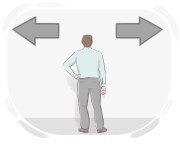
a situation that is difficult because a choice must be made between two or more options that are equally important

дилемма, затруднительное положение

дилемма, затруднительное положение

Ex: The environmentalists faced a dilemma: support clean energy projects that displaced local communities or oppose them for social justice reasons .

Экологи столкнулись с дилеммой: поддержать проекты чистой энергии, которые вытесняли местные сообщества, или выступить против них по соображениям социальной справедливости.

Закрыть
Войти
compromise
compromise
[существительное]

a middle state between two opposing situations that is reached by slightly changing both of them, so that they can coexist

компромисс

компромисс

Ex: The new agreement was a compromise that took both cultural and legal perspectives into account .

Новое соглашение стало компромиссом, учитывающим как культурные, так и правовые перспективы.

Закрыть
Войти
to settle
to settle
[глагол]

to follow a more secure and stable lifestyle with a permanent job and home

устраиваться

устраиваться

Ex: He was ready to settle, finding a secure job and a house to call his own .

Он был готов осесть, найдя надежную работу и дом, который можно назвать своим.

Закрыть
Войти
persuasion
persuasion
[существительное]

a set of personal beliefs mostly religious and political

вероисповедание

вероисповедание

Закрыть
Войти
repulsion
repulsion
[существительное]

intense hatred or disgust

отвращение

отвращение

Закрыть
Войти
grudge
grudge
[существительное]

a deep feeling of anger and dislike toward someone because of what they did in the past

зависть

зависть

Ex: She tried to forgive , but the grudge from the betrayal lingered .

Она пыталась простить, но обида от предательства оставалась.

Закрыть
Войти
foe
foe
[существительное]

an individual opponent or adversary

недруг

недруг

Ex: The detective discovered that the criminal had a personal foe seeking revenge .

Детектив обнаружил, что у преступника был личный враг, ищущий мести.

Закрыть
Войти
picky
picky
[прилагательное]

(of a person) extremely careful with their choices and hard to please

разборчивый

разборчивый

Ex: The picky customer returned the product because it did n't meet their exact specifications .

Привередливый клиент вернул товар, потому что он не соответствовал его точным спецификациям.

Закрыть
Войти
judgment
judgment
[существительное]

an opinion that is formed after thinking carefully

суждение

суждение

Ex: His judgment was clouded by personal bias , leading to an unfair decision .

Его суждение было затуманено личной предвзятостью, что привело к несправедливому решению.

Закрыть
Войти
resentment
resentment
[существительное]

a lasting feeling of anger or bitterness because of unfair treatment

обида

обида

Ex: Deep resentment over the decision continued to shape the community 's response .

Глубокое негодование по поводу решения продолжало формировать реакцию сообщества.

Закрыть
Войти
LanGeek
Скачать приложение LanGeek