pattern

Základní Slovní Zásoba pro TOEFL - Pýcha a předsudek

Zde se naučíte některá anglická slova o pýše a předsudcích, jako jsou "obdivovat", "chuť", "nenávidět" atd., která jsou potřebná pro zkoušku TOEFL.

Revize

Kartičky

tvary

Pravopis

Kvíz

Začněte se učit
Essential Words Needed for TOEFL
admiration
admiration
[Podstatné jméno]

a feeling of much respect for and approval of someone or something

obdiv, úcta

obdiv, úcta

Ex: He spoke about his mentor with deep admiration, crediting her for his success and inspiration. 

Mluvil o svém mentorovi s hlubokým obdivem, přičemž jí připisoval svůj úspěch a inspiraci.

to admire
to admire
[sloveso]

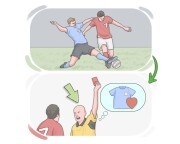
to respect and approve of someone or something because of their qualities, achievements, or actions

obdivovat, uctívat
obdivovat, uctívat

Ex: His colleagues admire him for remaining calm under pressure. 
biased
biased
[Přídavné jméno]

having a preference or unfair judgment toward one side or viewpoint over others

zaujatý, předpojatý

zaujatý, předpojatý

Ex: It's important to consider multiple sources of information to avoid being biased in your conclusions. 

Je důležité zvážit více zdrojů informací, aby se zabránilo zaujatosti ve vašich závěrech.

disgust
disgust
[Podstatné jméno]

a strong feeling of distaste for someone or something

odpor, znechucení

odpor, znechucení

Ex: She felt a wave of disgust wash over her as she discovered the unsanitary conditions of the public restroom. 

Cítila, jak ji zalila vlna znechucení, když objevila nehygienické podmínky ve veřejných toaletách.

taste
taste
[Podstatné jméno]

the ability to recognize something with good quality or high standard, especially in art, style, beauty, etc., based on personal preferences

vkus

vkus

Ex: Her taste in clothing reflects her keen eye for elegant and timeless fashion. 
preference
preference
[Podstatné jméno]

a tendency or predisposition to favor something over other options

preference, sklon

preference, sklon

Ex: He showed a preference for classical music. 
to despise
to despise
[sloveso]

to hate and have no respect for something or someone

opovrhovat, nenávidět

opovrhovat, nenávidět

Ex: We despise cruelty to animals and support organizations that work to protect them. 

Opovrhujeme krutostí vůči zvířatům a podporujeme organizace, které pracují na jejich ochraně.

to detest
to detest
[sloveso]

to absolutely hate someone or something

nesnášet, zošklivit si

nesnášet, zošklivit si

Ex: We detest dishonesty and value truthfulness and integrity. 

Nesnášíme nepoctivost a oceňujeme pravdomluvnost a integritu.

to favor
to favor
[sloveso]

to treat someone better than someone else, especially in an unfair manner

upřednostňovat, zvýhodňovat

upřednostňovat, zvýhodňovat

Ex: She favors her younger brother and lets him get away with more. 
to find
to find
[sloveso]

(of a law court) to make an official decision

rozhodnout, vynést rozsudek

rozhodnout, vynést rozsudek

Ex: The jury found him guilty of fraud. 
appeal
appeal
[Podstatné jméno]

the attraction and allure that makes one interesting

přitažlivost, půvab

přitažlivost, půvab

Ex: The movie's appeal lies in its powerful storyline. 
to adore
to adore
[sloveso]

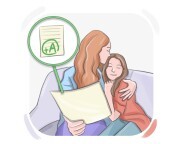
to love and respect someone very much

uctívat, milovat

uctívat, milovat

Ex: They adore their parents for the sacrifices they've made for the family. 

Zbožňují své rodiče za oběti, které pro rodinu přinesli.
to please
to please
[sloveso]

to make someone satisfied or happy

uspokojit, potěšit

uspokojit, potěšit

Ex: The musician pleases the crowd by playing her favorite song. 
to contest
to contest
[sloveso]

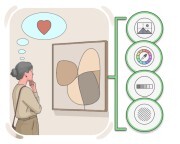
to formally challenge, dispute, or oppose a decision, claim, or statement

napadnout,  zpochybnit
napadnout, zpochybnit

Ex: The election result was contested by the losing candidate. 
criteria
criteria
[Podstatné jméno]

the particular characteristics that are considered when evaluating something

kritéria, parametry

kritéria, parametry

Ex: The criteria for this research study include patient age and medical history. 
to commit
to commit
[sloveso]

to be dedicated to a person, cause, policy, etc.

zavázat se, věnovat se

zavázat se, věnovat se

Ex: She decided to commit herself to the education of underprivileged children, spending hours volunteering at a local school. 
inflexible
inflexible
[Přídavné jméno]

reluctant to compromise or change one's attitude, belief, plan, etc.

neústupný, tvrdohlavý

neústupný, tvrdohlavý

Ex: Despite the new evidence presented, he remained inflexible in his opinion. 

Navzdory novým předloženým důkazům zůstal ve svém názoru neústupný.

free will
free will
[Podstatné jméno]

the idea that human beings have the agency to decide independently without being controlled by any outside influences

svobodná vůle

svobodná vůle

Ex: The philosophical debate centered around whether humans truly have free will. 

Filozofická debata se točila kolem toho, zda lidé skutečně mají svobodnou vůli.
acceptable
acceptable
[Přídavné jméno]

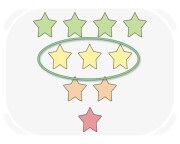
capable of being approved

přijatelný, schvalovatelný

přijatelný, schvalovatelný

Ex: The quality of the report was acceptable, but it could be improved. 

Kvalita zprávy byla přijatelná, ale mohla by být vylepšena.
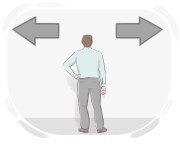
dilemma
dilemma
[Podstatné jméno]

a situation in which a difficult choice must be made between alternatives

dilema

dilema

Ex: The manager faced the dilemma of cutting expenses or raising prices. 
compromise
compromise
[Podstatné jméno]

a middle position or solution that combines different or opposing qualities

Ex: The apartment was a reasonable compromise between size and location. 
to settle
to settle
[sloveso]

to follow a more secure and stable lifestyle with a permanent job and home

usadit se,  zabydlet se

usadit se, zabydlet se

Ex: After college, they settled into steady jobs in the city. 
persuasion
persuasion
[Podstatné jméno]

a set of personal beliefs mostly religious and political

přesvědčení, víra

přesvědčení, víra

repulsion
repulsion
[Podstatné jméno]

intense hatred or disgust

odpor, intenzivní nenávist

odpor, intenzivní nenávist

grudge
grudge
[Podstatné jméno]

a deep feeling of anger and dislike toward someone because of what they did in the past

zášť, nenávist

zášť, nenávist

Ex: She tried to forgive, but the grudge from the betrayal lingered. 

Snažila se odpustit, ale zášť zrady přetrvávala.

foe
foe
[Podstatné jméno]

an individual opponent or adversary

protivník, nepřítel

protivník, nepřítel

Ex: The detective discovered that the criminal had a personal foe seeking revenge. 

Detektiv zjistil, že zločinec měl osobního nepřítele, který hledal pomstu.

picky
picky
[Přídavné jméno]

(of a person) extremely careful with their choices and hard to please

vybíravý, náročný

vybíravý, náročný

Ex: The picky customer returned the product because it didn't meet their exact specifications. 

Vybredý zákazník vrátil produkt, protože nesplňoval jeho přesné specifikace.

judgment
judgment
[Podstatné jméno]

an opinion that is formed after thinking carefully

úsudek, názor

úsudek, názor

Ex: Her judgment about the project's potential risks was highly valued by the team. 
resentment
resentment
[Podstatné jméno]

a lasting feeling of anger or bitterness because of unfair treatment

zášť, hořkost

zášť, hořkost

Ex: Deep resentment over the decision continued to shape the community's response. 

Hluboká zášť vůči rozhodnutí nadále formovala reakci komunity.

LanGeek
Stáhnout aplikaci LanGeek