
Cambridge IELTS 19 - Академический - Тест 4 - Чтение - Отрывок 3 (2)
Здесь вы можете найти словарный запас из Теста 4 - Чтение - Отрывок 3 (2) в учебнике Cambridge IELTS 19 - Academic, чтобы помочь вам подготовиться к экзамену IELTS.
Обзор
Флэш-карточки
формы
Правописание
Тест
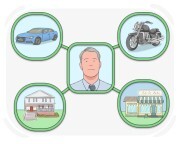
(usually plural) anything that a person has or owns at a specific time

владение
Пока он упаковывал свои вещи в коробки, воспоминания нахлынули на него о годах, проведённых в старом доме.

sticking to principles of right and wrong conduct and moral standards
этический, моральный
Этичное обращение с животными является приоритетом для многих.

an action that one must perform because they are legally or morally forced to do so
обязанность
Уплата налогов — это гражданская обязанность, которая поддерживает общественные услуги и инфраструктуру.
a noticeable and often significant difference or inequality between two or more things
неравенство
Существует большой разрыв между богатством класса миллиардеров и работающими бедняками, которые изо всех сил пытаются позволить себе основные necessities.
someone or something's professional or social position relative to that of others
статус
Её статус уважаемого учёного был заслуженным.

to begin to exist or become noticeable
возникать
Только когда зашло солнце, возникла необходимость в дополнительном освещении на мероприятии на открытом воздухе.

to give something to a person and receive something else in return
менять
Они решили обменять книги, чтобы разнообразить свой выбор для чтения.
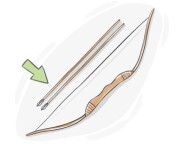
a type of weapon consisting of a metal or wooden bar with a sharp head and feathers at the end
стрела
Лучник натянул лук и выпустил стрелу, точно попав в цель.
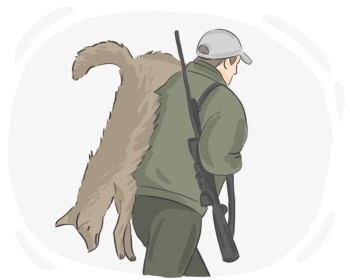
the activity of pursuing and killing wild animals or birds for money, food, or fun
охота
admiration for achievements, often in art, performance, leadership, or innovation
аккламация
Фильм получил международное признание за своё повествование и режиссуру.

to be owned by a particular person or group
принадлежать, быть собственностью
Прекрасный сад принадлежит сообществу и открыт для всех.
showing a tendency to have control over others without taking their emotions into account
властный
Его властный характер затруднял для других возможность выражать свое мнение без страха возмездия.
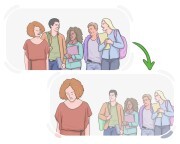
to exclude someone from a community or group as a form of punishment or social rejection
подвергать остракизму
После скандала он был остракизирован своими коллегами и больше не приглашался на корпоративные мероприятия.
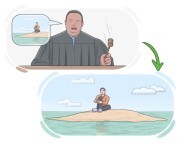
to force someone to live away from their native country, usually due to political reasons or as a punishment
ссылать
Политический диссидент был изгнан из страны за выступление против правительства.

a person who commits a crime
преступник
Полиция задержала правонарушителя и взяла его под стражу.

to tell someone what to do or not to do, in an authoritative way
диктовать
Менеджер продиктовал набор рекомендаций по проекту.

to gain something good from something or someone
выигрывать
Посещая мастер-класс, она надеялась извлечь пользу из советов экспертов.
the belief that certain races are superior to others
расизм
Идеология расизма способствует ненависти и разделению между расами.
a struggle or competition between opposing groups or ideas
борьба, конфликт
Компании вели ожесточенную рекламную войну.
to have as a foundation or to be based on a particular idea, concept, principle, or condition
основываться на, опираться на
Архитектурный дизайн здания основан на принципах современного минимализма и устойчивых материалов.

feeling or showing deep sadness mixed with hopelessness and emotional pain
полный отчаяния
Ее глаза выглядели отчаянными после того, как она услышала плохие новости.

in a way that is spread out thinly, with few people or things in an area
редко, малонаселенно
Деревня была редко заселена, дома находились далеко друг от друга.
(of individuals or communities) to be present in a particular area
населять, обитать
Исторические записи свидетельствуют о том, что древние цивилизации когда-то населяли засушливые пустынные регионы.
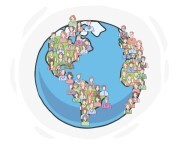
the number of people who live in a particular city or country
население
Правительство приняло меры по контролю за ростом населения.
a member of a society that survives by hunting animals, fishing, and gathering wild plants rather than practicing agriculture
охотник-собиратель, охотник-собиратель
Ранние люди были охотниками-собирателями до появления земледелия.
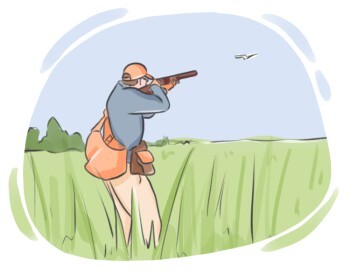
to pursue wild animals in order to kill or catch them, for sport or food
охотиться
В некоторых культурах люди до сих пор охотятся за едой, используя традиционные методы.
the spatial property of having elements packed closely together, typically expressed as the number of units per given area or volume
плотность, концентрация
Градостроители анализируют плотность населения, чтобы определить, где строить новые транспортные линии.
difficult to consider as plausible or believable
маловероятный, неправдоподобный
Маловероятно, что мероприятие будет отложено из-за ясных прогнозов погоды.
the desire to win or succeed in a contest or rivalry with others
конкурентоспособность
important or great enough to be noticed or have an impact
значительный
Обнаружение древнего артефакта было значимым для понимания истории региона.
to confirm, support, or provide evidence that something is legitimate or true
поддерживать, подтверждать
Ученый подтвердил теорию конкретными доказательствами из множества экспериментов.
a general concept or belief
понятие
У нее было представление, что он что-то от нее скрывает.
belonging to the current era
современный
Технологии, такие как смартфоны, стали неотъемлемой частью современной повседневной жизни.
a scientist who studies human beings, especially their societies, cultures, languages, and physical development, both past and present
антрополог
Антрополог провёл годы, живя среди племени, чтобы понять их обычаи.
to express one's opinion through a statement
замечать
Попробовав блюдо, она не могла не высказаться об исключительных кулинарных навыках шеф-повара.
to be a typical feature or quality of someone or something
характеризовать, определять
Неровный рельеф и густые леса характеризуют ландшафт Тихоокеанского Северо-Запада.
very high in intensity or degree
экстремальный
Туристы столкнулись с экстремальными погодными условиями во время восхождения, включая минусовые температуры и сильный ветер.
the belief in and advocacy for the equal rights, opportunities, and treatment of all individuals, regardless of their gender, race, social class, or other distinguishing characteristics
эгалитаризм, эгалитаризм
Эгалитаризм стремится к обществу, где все граждане имеют равный доступ к образованию, здравоохранению и возможностям трудоустройства.

to make a written or spoken remark
высказаться
Во время встречи она отметила, что предложенное распределение бюджета кажется непропорциональным.

to collect an increasing amount of something over time
накапливать
За годы он накопил обширную коллекцию редких марок со всего мира.

a building or the piece of land surrounding it, owned by individuals, businesses, or entities
земельная собственность
Они унаследовали большое имущество с акрами сельскохозяйственных угодий и исторической фермой.
| Cambridge IELTS 19 - Академический | |||
|---|---|---|---|
| Тест 4 - Чтение - Отрывок 2 (2) | Тест 4 - Чтение - Отрывок 2 (3) | Тест 4 - Чтение - Отрывок 2 (4) | Тест 4 - Чтение - Отрывок 3 (1) |
| Тест 4 - Чтение - Отрывок 3 (2) | Тест 4 - Чтение - Отрывок 3 (3) | Тест 4 - Чтение - Отрывок 3 (4) | |
