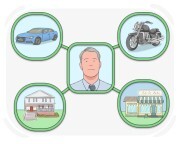
pattern

Cambridge IELTS 19 - Academic - Testul 4 - Lectură - Pasajul 3 (2)

Învață vocabular din a doua parte a Cambridge IELTS 19 Academic, Test 4 Reading Passage 3, cu cuvinte și expresii utile din text.

Revizuire

Fișe de studiu

forme

Ortografie

Chestionar
Începe să înveți
Cambridge IELTS 19 - Academic
possession
possession
[substantiv]

(usually plural) anything that a person has or owns at a specific time

bunuri, posesiuni

bunuri, posesiuni

Ex: Ownership of the house was transferred to her name, making it her possession. 
Închide
Conectare
ethical
ethical
[adjectiv]

sticking to principles of right and wrong conduct and moral standards

etic, moral

etic, moral

Ex: The ethical treatment of animals is a priority for many. 

Tratamentul etic al animalelor este o prioritate pentru mulți.

Închide
Conectare
obligation
obligation
[substantiv]

an action that one must perform because they are legally or morally forced to do so

obligație, datorie

obligație, datorie

Ex: As part of her job, she has an obligation to maintain client confidentiality. 
Închide
Conectare
disparity
disparity
[substantiv]

a noticeable and often significant difference or inequality between two or more things

disparitate, inegalitate

disparitate, inegalitate

Ex: There is a large disparity between the wealth of the billionaire class and the working poor struggling to afford basic necessities. 

Există o mare disparitate între bogăția clasei miliardarilor și cea a lucrătorilor săraci care se luptă să-și permită necesitățile de bază.

Închide
Conectare
status
status
[substantiv]

someone or something's professional or social position relative to that of others

statut, poziție

statut, poziție

Ex: Her status as a respected scientist was well-deserved. 

Statutul ei de om de știință respectat era pe deplin meritat.

Închide
Conectare
to arise
to arise
[verb]

to begin to exist or become noticeable

apărea, surveni

apărea, surveni

Ex: Unexpected challenges can arise during the course of a project, requiring swift problem-solving. 
Închide
Conectare
to swap
to swap
[verb]

to give something to a person and receive something else in return

schimba, permuta
schimba, permuta

Ex: They decided to swap books to diversify their reading choices. 
Închide
Conectare
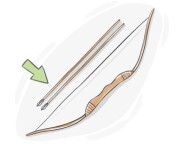
arrow
arrow
[substantiv]

a long, thin projectile with a pointed end that is shot from a bow

săgeată,  săgeată de arc

săgeată, săgeată de arc

Ex: The archer placed an arrow on the bowstring and aimed at the target. 
Închide
Conectare
hunting
hunting
[substantiv]

the activity of pursuing and killing or capturing wild animals for food or sport

vânătoare,  vânat

vânătoare, vânat

Ex: Deer hunting is popular in the region during the fall. 
Închide
Conectare
acclaim
acclaim
[substantiv]

admiration for achievements, often in art, performance, leadership, or innovation

aclamare, recunoaștere

aclamare, recunoaștere

Ex: The film received international acclaim for its storytelling and direction. 

Filmul a primit aclamare internațională pentru povestirea și regia sa.

Închide
Conectare
to belong to

to be owned by a particular person or group

aparține, a fi proprietatea

aparține, a fi proprietatea

Ex: The beautiful garden belongs to the community and is open to everyone. 

Frumoasa grădină aparține comunității și este deschisă pentru toată lumea.

Închide
Conectare
domineering
domineering
[adjectiv]

showing a tendency to have control over others without taking their emotions into account

autoritar, dominant

autoritar, dominant

Ex: His domineering personality made it difficult for others to express their opinions without fear of retribution. 

Personalitatea lui dominantă a făcut dificil pentru alții să-și exprime opiniile fără teamă de represalii.
Închide
Conectare
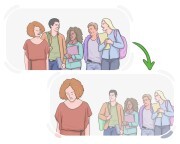
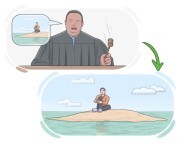
to ostracize

to exclude someone from a community or group as a form of punishment or social rejection

ostraciza, exclude

ostraciza, exclude

Ex: After the scandal, he was ostracized by his colleagues and no longer invited to company events. 

După scandal, a fost ostracizat de colegii săi și nu a mai fost invitat la evenimentele companiei.
Închide
Conectare
to exile
to exile
[verb]

to force someone to leave their home or country and live elsewhere

exila, izgoni

exila, izgoni

Ex: The government exiled the opposition leader after the uprising. 
Închide
Conectare
offender
offender
[substantiv]

a person who commits a crime or other illegal act

infractor,  delincvent

infractor, delincvent

Ex: The offender was arrested shortly after the robbery. 
Închide
Conectare
to dictate

to give orders or instructions with authority

dicta,  impune

dicta, impune

Ex: The manager cannot dictate how employees spend their free time. 
Închide
Conectare
to benefit

to gain something good from something or someone

beneficia, a profita

beneficia, a profita

Ex: Students can benefit from additional tutoring after school. 
Închide
Conectare
racism
racism
[substantiv]

the belief that certain races are superior to others

rasism, discriminare rasială

rasism, discriminare rasială

Ex: Racism still exists in many parts of the world. 
Închide
Conectare
warfare
warfare
[substantiv]

a struggle or competition between opposing groups or ideas

luptă, conflict

luptă, conflict

Ex: The companies engaged in fierce advertising warfare. 

Companiile s-au angajat într-un război publicitar aprig.

Închide
Conectare
to rest on

to have as a foundation or to be based on a particular idea, concept, principle, or condition

se baza pe, a sta în

se baza pe, a sta în

Ex: The architectural design of the building rests on principles of modern minimalism and sustainable materials. 

Designul arhitectural al clădirii se bazează pe principiile minimalismului modern și ale materialelor durabile.

Închide
Conectare
desperate
desperate
[adjectiv]

feeling or showing a loss of hope accompanied by severe distress

disperat,  desperat

disperat, desperat

Ex: Emma felt desperate after weeks of searching for her missing dog. 
Închide
Conectare
sparsely
sparsely
[adverb]

in a way that is spread out thinly, with few people or things in an area

rar, puțin populat

rar, puțin populat

Ex: The village was sparsely settled, with homes far apart. 

Satul era rar populat, cu case departate una de alta.

Închide
Conectare
to populate

(of individuals or communities) to be present in a particular area

popula, locui

popula, locui

Ex: Historical records suggest that ancient civilizations once populated the arid desert regions. 

Înregistrările istorice sugerează că civilizațiile antice au populat cândva regiunile aride deșertice.

Închide
Conectare
population
population
[substantiv]

the number of people who live in a particular city or country

populație

populație

Ex: Japan has a rapidly aging population, leading to economic challenges. 
Închide
Conectare
hunter-gatherer
hunter-gatherer
[substantiv]

a member of a society that survives by hunting animals, fishing, and gathering wild plants rather than practicing agriculture

vânător-culegător, vânător-culegător

vânător-culegător, vânător-culegător

Ex: Early humans were hunter-gatherers before the advent of farming. 

Oamenii timpurii erau vânători-culegători înainte de apariția agriculturii.

Închide
Conectare
to hunt
to hunt
[verb]

to pursue wild animals in order to kill or catch them, for sport or food

vâna, urmări

vâna, urmări

Ex: The experienced tracker knew how to hunt stealthily without scaring away the animals. 
Închide
Conectare
density
density
[substantiv]

the degree to which people or things are concentrated within a particular area or volume

densitate,  concentrare

densitate, concentrare

Ex: The neighborhood has a high population density. 
Închide
Conectare
unlikely
unlikely
[adjectiv]

difficult to consider as plausible or believable

improbabil, incredibil

improbabil, incredibil

Ex: He made an unlikely claim about finding treasure in his backyard. 
Închide
Conectare
competitiveness
competitiveness
[substantiv]

the desire to win or succeed in a contest or rivalry with others

competitivitate

competitivitate

Închide
Conectare
significant
significant
[adjectiv]

important or great enough to be noticed or have an impact

important, semnificativ

important, semnificativ

Ex: The discovery of the ancient artifact was significant for understanding the region's history. 

Descoperirea artefactului antic a fost semnificativă pentru înțelegerea istoriei regiunii.

Închide
Conectare
to back
to back
[verb]

to confirm, support, or provide evidence that something is legitimate or true

sprijini, confirma

sprijini, confirma

Ex: The historian backed her claims with authenticated documents. 
Închide
Conectare
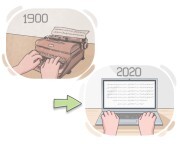
notion
notion
[substantiv]

a general concept or belief

idee, concept
idee, concept

Ex: The notion of freedom is central to the country's history. 
Închide
Conectare
contemporary
contemporary
[adjectiv]

belonging to the current era

contemporan, actual

contemporan, actual

Ex: We studied the contemporary political landscape to understand today's issues. 
Închide
Conectare
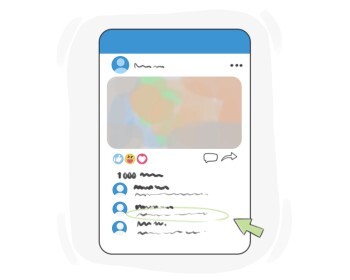
anthropologist
anthropologist
[substantiv]

a scientist who studies human beings, especially their societies, cultures, languages, and physical development, both past and present

antropolog, etnolog

antropolog, etnolog

Ex: The anthropologist spent years living among the tribe to understand their customs. 

Antropologul a petrecut ani de zile trăind printre trib pentru a înțelege obiceiurile lor.
Închide
Conectare
to remark
to remark
[verb]

to express one's opinion through a statement

remarca, comenta

remarca, comenta

Ex: During the presentation, the audience was encouraged to remark on the key points by writing down their thoughts. 
Închide
Conectare
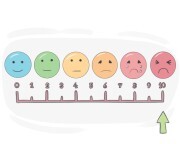
to characterize

to be a typical or distinguishing feature of someone or something

caracteriza,  distinge
caracteriza, distinge

Ex: Rapid growth characterized the company's early years. 
Închide
Conectare
extreme
extreme
[adjectiv]

very high in intensity or degree

extrem, intens

extrem, intens

Ex: The athlete pushed their body to its extreme limits in order to achieve peak performance. 
Închide
Conectare
egalitarianism
egalitarianism
[substantiv]

the belief in and advocacy for the equal rights, opportunities, and treatment of all individuals, regardless of their gender, race, social class, or other distinguishing characteristics

egalitarism, egalitarismul

egalitarism, egalitarismul

Ex: Egalitarianism strives for a society where all citizens have equal access to education, healthcare, and employment opportunities. 

Egalitarianismul urmărește o societate în care toți cetățenii au acces egal la educație, îngrijiri medicale și oportunități de angajare.

Închide
Conectare
to observe

to make a written or spoken remark

observa, remarca

observa, remarca

Ex: The professor observed that the theory had significant implications for understanding human behavior in social contexts. 
Închide
Conectare
to accumulate

to collect an increasing amount of something over time

acumula, aduna

acumula, aduna

Ex: Over the years, he has accumulated a vast collection of rare stamps from all over the world. 
Închide
Conectare
property
property
[substantiv]

a building or the piece of land surrounding it, owned by individuals, businesses, or entities

proprietate,  imobil

proprietate, imobil

Ex: Real estate agents help clients buy and sell residential and commercial properties. 
Închide
Conectare
LanGeek
Descarcă aplicația LanGeek