pattern

Cambridge IELTS 19 - 아카데믹 - 테스트 4 - 독해 - 지문 3 (2)

여기에서 Cambridge IELTS 19 - Academic 교과서의 Test 4 - Reading - Passage 3 (2)에서 나온 어휘를 찾을 수 있어, IELTS 시험 준비에 도움이 될 것입니다.

리뷰

플래시카드

형태

철자법

퀴즈

학습 시작
Cambridge IELTS 19 - Academic
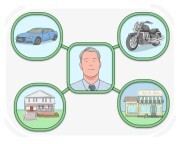
possession
possession
[명사]

(usually plural) anything that a person has or owns at a specific time

소유물, 재산

소유물, 재산

Ex: As he packed his possessions into boxes, memories flooded back from years spent in the old house. 
닫기
로그인
ethical
ethical
[형용사]

sticking to principles of right and wrong conduct and moral standards

윤리적인, 도덕적인

윤리적인, 도덕적인

Ex: The ethical treatment of animals is a priority for many. 
닫기
로그인
obligation
obligation
[명사]

an action that one must perform because they are legally or morally forced to do so

의무, 책임

의무, 책임

Ex: Paying taxes is a civic obligation that supports public services and infrastructure. 
닫기
로그인
disparity
disparity
[명사]

a noticeable and often significant difference or inequality between two or more things

차이, 불평등

차이, 불평등

Ex: There is a large disparity between the wealth of the billionaire class and the working poor struggling to afford basic necessities. 
닫기
로그인
status
status
[명사]

someone or something's professional or social position relative to that of others

지위, 위치

지위, 위치

Ex: Her status as a respected scientist was well-deserved. 
닫기
로그인
to arise
to arise
[동사]

to begin to exist or become noticeable

발생하다, 나타나다

발생하다, 나타나다

Ex: Unexpected challenges can arise during the course of a project, requiring swift problem-solving. 
닫기
로그인
to swap
to swap
[동사]

to give something to a person and receive something else in return

교환하다, 스왑하다

교환하다, 스왑하다

Ex: They decided to swap books to diversify their reading choices. 
닫기
로그인
arrow
arrow
[명사]

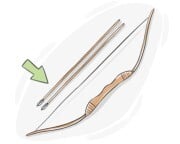
a type of weapon consisting of a metal or wooden bar with a sharp head and feathers at the end

화살, 살

화살, 살

Ex: The archer drew his bow and released the arrow, hitting the target with precision. 
닫기
로그인
hunting
hunting
[명사]

the activity of pursuing and killing wild animals or birds for money, food, or fun

사냥, 수렵

사냥, 수렵

닫기
로그인
acclaim
acclaim
[명사]

admiration for achievements, often in art, performance, leadership, or innovation

칭찬, 인정

칭찬, 인정

Ex: The film received international acclaim for its storytelling and direction. 
닫기
로그인
to belong to
to belong to
[동사]

to be owned by a particular person or group

소유하다, 소속되다

소유하다, 소속되다

Ex: The beautiful garden belongs to the community and is open to everyone. 
닫기
로그인
domineering
domineering
[형용사]

showing a tendency to have control over others without taking their emotions into account

횡포한, 지배적인

횡포한, 지배적인

Ex: His domineering personality made it difficult for others to express their opinions without fear of retribution. 
닫기
로그인
to ostracize
to ostracize
[동사]

to exclude someone from a community or group as a form of punishment or social rejection

배척하다, 제외하다

배척하다, 제외하다

Ex: After the scandal, he was ostracized by his colleagues and no longer invited to company events. 
닫기
로그인
to exile
to exile
[동사]

to force someone to live away from their native country, usually due to political reasons or as a punishment

추방하다, 유배하다

추방하다, 유배하다

Ex: The political dissident was exiled from the country for speaking out against the government. 
닫기
로그인
offender
offender
[명사]

a person who commits a crime

범죄자, 위반자

범죄자, 위반자

Ex: The police apprehended the offender and took him into custody. 
닫기
로그인
to dictate
to dictate
[동사]

to tell someone what to do or not to do, in an authoritative way

지시하다, 명령하다

지시하다, 명령하다

Ex: The manager dictated a set of guidelines for the project. 
닫기
로그인
to benefit
to benefit
[동사]

to gain something good from something or someone

이익을 얻다, 혜택을 받다

이익을 얻다, 혜택을 받다

Ex: By attending the workshop, she hoped to benefit from expert advice. 
닫기
로그인
racism
racism
[명사]

the belief that certain races are superior to others

인종 차별주의, 인종 차별

인종 차별주의, 인종 차별

Ex: The group spread racism, claiming superiority over other races. 
닫기
로그인
warfare
warfare
[명사]

a struggle or competition between opposing groups or ideas

투쟁, 갈등

투쟁, 갈등

Ex: The companies engaged in fierce advertising warfare. 
닫기
로그인
to rest on
to rest on
[동사]

to have as a foundation or to be based on a particular idea, concept, principle, or condition

의존하다, 기반을 두다

의존하다, 기반을 두다

Ex: The decision to invest in renewable energy sources rests on the commitment to sustainability and environmental responsibility. 
닫기
로그인
desperate
desperate
[형용사]

feeling or showing deep sadness mixed with hopelessness and emotional pain

절망적인, 절망에 빠진

절망적인, 절망에 빠진

Ex: Her eyes looked desperate after hearing the bad news. 
닫기
로그인
sparsely
sparsely
[부사]

in a way that is spread out thinly, with few people or things in an area

드문드문, 인구가 희박한

드문드문, 인구가 희박한

Ex: The village was sparsely settled, with homes far apart. 
닫기
로그인
to populate
to populate
[동사]

(of individuals or communities) to be present in a particular area

거주하다, 서식하다

거주하다, 서식하다

Ex: Various indigenous tribes have populated the rainforest for centuries. 
닫기
로그인
population
population
[명사]

the number of people who live in a particular city or country

인구

인구

Ex: As the population ages, there will be increasing strain on healthcare systems. 
닫기
로그인
hunter-gatherer

a member of a society that survives by hunting animals, fishing, and gathering wild plants rather than practicing agriculture

수렵채집인, 수렵채집인

수렵채집인, 수렵채집인

Ex: Early humans were hunter-gatherers before the advent of farming. 
닫기
로그인
to hunt
to hunt
[동사]

to pursue wild animals in order to kill or catch them, for sport or food

사냥하다, 추적하다

사냥하다, 추적하다

Ex: In some cultures, people still hunt for their food using traditional methods. 
닫기
로그인
density
density
[명사]

the spatial property of having elements packed closely together, typically expressed as the number of units per given area or volume

밀도, 집중도

밀도, 집중도

Ex: Urban planners analyze population density to determine where to build new transit lines. 
닫기
로그인
unlikely
unlikely
[형용사]

difficult to consider as plausible or believable

있을 법하지 않은, 믿기 어려운

있을 법하지 않은, 믿기 어려운

Ex: He made an unlikely claim about finding treasure in his backyard. 
닫기
로그인
competitiveness

the desire to win or succeed in a contest or rivalry with others

경쟁력

경쟁력

닫기
로그인
significant
significant
[형용사]

important or great enough to be noticed or have an impact

중요한, 상당한

중요한, 상당한

Ex: The discovery of the ancient artifact was significant for understanding the region's history. 
닫기
로그인
to back
to back
[동사]

to confirm, support, or provide evidence that something is legitimate or true

지지하다, 입증하다

지지하다, 입증하다

Ex: The scientist backed the theory with concrete evidence from multiple experiments. 
닫기
로그인
notion
notion
[명사]

a general concept or belief

개념, 생각

개념, 생각

Ex: She had a notion that he was hiding something from her. 
닫기
로그인
contemporary
contemporary
[형용사]

belonging to the current era

현대의, 동시대의

현대의, 동시대의

Ex: We studied the contemporary political landscape to understand today's issues. 
닫기
로그인
anthropologist

a scientist who studies human beings, especially their societies, cultures, languages, and physical development, both past and present

인류학자, 민족학자

인류학자, 민족학자

Ex: The anthropologist spent years living among the tribe to understand their customs. 
닫기
로그인
to remark
to remark
[동사]

to express one's opinion through a statement

언급하다, 의견을 말하다

언급하다, 의견을 말하다

Ex: After tasting the dish, she couldn't help but remark on the chef's exceptional culinary skills. 
닫기
로그인
to characterize

to be a typical feature or quality of someone or something

특징짓다, 정의하다

특징짓다, 정의하다

Ex: The rough terrain and dense forests characterize the landscape of the Pacific Northwest. 
닫기
로그인
extreme
extreme
[형용사]

very high in intensity or degree

극단적인, 강렬한

극단적인, 강렬한

Ex: The hikers faced extreme weather conditions during their ascent, including freezing temperatures and high winds. 
닫기
로그인
egalitarianism

the belief in and advocacy for the equal rights, opportunities, and treatment of all individuals, regardless of their gender, race, social class, or other distinguishing characteristics

평등주의, 평등주의

평등주의, 평등주의

Ex: Egalitarianism strives for a society where all citizens have equal access to education, healthcare, and employment opportunities. 
닫기
로그인
to observe
to observe
[동사]

to make a written or spoken remark

관찰하다, 지적하다

관찰하다, 지적하다

Ex: During the meeting, she observed that the proposed budget allocation seemed disproportionate. 
닫기
로그인
to accumulate

to collect an increasing amount of something over time

축적하다, 모으다

축적하다, 모으다

Ex: Over the years, he has accumulated a vast collection of rare stamps from all over the world. 
닫기
로그인
property
property
[명사]

a building or the piece of land surrounding it, owned by individuals, businesses, or entities

재산,  부동산

재산, 부동산

Ex: They inherited a large property with acres of farmland and a historic farmhouse. 
닫기
로그인
LanGeek
LanGeek 앱 다운로드