
IELTS Academic için kelime bilgisi (Skor 8-9) - Biyoloji
Burada, Akademik IELTS sınavı için gerekli olan Biyoloji ile ilgili bazı İngilizce kelimeleri öğreneceksiniz.
Gözden Geçir
Flash kartlar
Yazım
Quiz


a tiny structure within cells that assembles proteins by reading the genetic instructions carried by messenger RNA

ribozom
Tetrasiklin ve streptomisin gibi antibiyotikler, bakteriyel ribozomları hedef alarak protein sentezini engeller.
a cellular organelle involved in the processing, packaging, and distribution of proteins and lipids within the cell, consisting of a stack of flattened membrane sacs called cisternae
Golgi aygıtı, Golgi kompleksi
Bitki hücreleri, hücre duvarı bileşenleri ve diğer temel biyomolekülleri üretmek için Golgi aygıtını kullanır.
a small, enzyme-filled sac in a cell that breaks down waste materials and unwanted substances
lizozom, enzim dolu kesecik
Lizozomların içindeki asidik ortam, sindirim enzimlerinin optimal çalışmasına yardımcı olur.
an organelle that is abundantly present in most cells and is responsible for energy production
mitokondri
Mitokondri, hücrenin enerji santrali olarak bilinir ve aerobik solunum yoluyla enerji üretir.
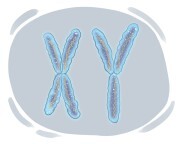
(genetics) a thread-like structure of DNA that carries genes inside the cell nucleus
kromozom
a plant cell organelle that uses sunlight to produce energy and make glucose through photosynthesis
kloroplast, fotosentetik organel
Kloroplastlar, atmosferdeki oksijen ve karbon dioksit dengesinin korunmasında çok önemli bir rol oynar.
the gel-like, semifluid substance within a cell that surrounds the organelles, providing a medium for cellular activities, including metabolism, transport of substances, and support for cellular structures
sitoplazma, hücre içi sıvı
Hücresel solunum, hayati bir enerji üretim süreci, sitoplazmada gerçekleşir.
a cell that has had its nucleus removed or the cellular material excluding the nucleus
sitoplast, çekirdeği çıkarılmış hücre
Genetik mühendisleri, klonlama prosedürlerinin verimliliğini artırmak için sitoplastları optimize etmek üzerinde çalışıyor.
a network of protein fibers in a cell that gives it shape, supports its structure, and aids in movement
sitoskeleton, hücre iskeleti
Hücre göçü sırasında, hücre iskeleti, hücrelerin hareket etmesine ve şekil değiştirmesine çıkıntılar uzatarak yardımcı olur.
a molecule that forms the basic building block of DNA and RNA, consisting of a sugar, a phosphate group, and a nitrogenous base
nükleotid
Hücrelerin enerji para birimi olan ATP, üç fosfat grubuna sahip bir nükleotittir.
the complete set of genetic material of any living thing
genom
Meyve sineği Drosophila melanogaster'ın genomu, genetik prensipleri anlamak için bir model olarak kapsamlı bir şekilde incelenmiştir.
a linear chain of amino acids linked by peptide bonds, forming a primary structure of a protein
polipeptit, amino asit zinciri
Biyokimyasal reaksiyonları katalize etmede kritik olan enzimler, genellikle polipeptit zincirlerinden oluşur.
a specialized, membrane-bound structure within a cell that performs specific functions, contributing to the cell's overall structure and function
organel, hücre organeli
Plazma zarı, her zaman bir organel olarak adlandırılmasa da, hayati bir hücresel sınırdır.
a cell organelle in plants, fungi, and some protists that stores nutrients, manages waste, and helps maintain cell pressure
vakuol, koful
Bazı bitki dokularında, vakuoller otoburları caydırmak için toksik maddeler depolar.
a pair of small cylinders near the nucleus in animal cells, organizing cell division by forming the mitotic spindle
sentriyol, sentriyol çifti
Bitki hücrelerinde sentriyollerin olmaması, hayvan hücrelerinden dikkate değer bir farklılıktır.
a repetitive DNA sequence at the end of a linear chromosome, protecting it from deterioration during replication, and playing a role in cellular aging and cancer development
telomer, kromozom ucu
Telomerlerin incelenmesi, yaşlanma sürecini anlamak ve yaşa bağlı hastalıklar için potansiyel tedaviler geliştirmek açısından önemlidir.
a type of protein that plays a structural role in the packaging of DNA into nucleosomes, fundamental units of chromatin
histon, histon proteini
Histonların modifikasyonu, DNA erişilebilirliğini düzenleyerek gen ifadesini etkileyebilir.
the observable physical and behavioral characteristics of an organism, resulting from the interaction of its genotype (genetic makeup) with the environment
fenotip, gözlemlenebilir özellikler
Hayvanların kürk rengi, boyutu ve davranışları onların fenotiplerini temsil eder.
the tendency of an organism or cell to regulate its internal environment and maintain a stable, balanced condition, despite external changes
homeostaz, iç denge
Susadığınızda su içmek, vücudun su dengesini geri kazanmasına yardımcı olur ve homeostazı korur.
the process in which the information encoded in messenger RNA directs the synthesis of a protein
translasyon, çeviri
the process by which a segment of DNA is used as a template to synthesize a complementary RNA molecule
transkripsiyon, transkripsiyon işlemi
DNA'daki sonlandırma sinyali, transkripsiyonun sonunu işaretler ve RNA ipliği serbest bırakılır.
the process by which an organism duplicates its genetic material, particularly the copying of DNA in cell division
replikasyon
Replikasyon sırasında üretilen her bir DNA molekülü, bir orijinal iplik ve bir yeni sentezlenmiş iplikten oluşur.
an individual organism or cell with two different alleles at a specific gene locus, having inherited different genetic information from each parent
heterozigot, heterozigot birey
Bir kulak memesi yapışık ve diğeri serbest sarkan kulak memesi için bir aleli olan bireyler, kulak memesi özelliği için heterozigotlardır.
an individual organism or cell with two identical alleles at a specific gene locus, having inherited the same genetic information from both parents
homozigot, homozigot birey
Acı bir maddeyi tatma yeteneği için iki aleli olan bireyler, tat algısı için homozigotlardır.
a sequence of three adjacent nucleotides in mRNA that codes for a specific amino acid during protein synthesis or serves as a start or stop signal in the translation process
kodon, kodon dizisi
Genetik kod dejeneredir, yani aynı amino asidi kodlayan birden fazla kodon olabilir.
a close and often long-term interaction between two different species living in close physical association, typically to the advantage of both
simbiyoz
Arılar ve çiçekli bitkiler arasındaki ilişki, arıların bitkileri tozlaştırması ve nektar elde etmesiyle karşılıklı simbiyoz örneğidir.
a microscopic single-celled organism that changes shape and typically moves and feeds by extending pseudopodia
the protein coat of a virus that encases its genetic material and helps it attach to and enter host cells during infection
kapsid, protein kılıf
Kapsidin sökülmesi, virüsün konak hücrelere girişi sırasında önemli bir adımdır.
a green pigment found in all green plants and cyanobacteria that is responsible for the absorption of the sunlight needed for the photosynthesis process
klorofil
Klorofil ve varyantlarının incelenmesi, fotosentezin arkasındaki moleküler mekanizmaları anlamamıza katkıda bulunur.
a type of living thing with cells that have a nucleus and other structures enclosed in membranes, like plants, animals, fungi, and some microorganisms
ökaryot, ökaryot canlı
Maya, bir mantar türü olan, fırıncılık ve bira yapımında kullanılan ökaryot bir mikroorganizmadır.
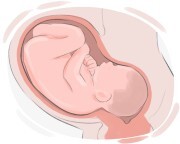
an offspring of a human or animal that is not born yet, particularly a human aged more than eight weeks after conception
cenin
Fetüs, ilk üç aylık dönemin sonunda hareket etmeye başlamıştı.
a mature, female reproductive cell or egg, typically larger than a sperm cell, capable of fusing with a sperm cell during fertilization to form a zygote
ovum, yumurta
Yumurtlama sırasında, olgun bir yumurta yumurtalıktan salınır ve fallop tüpünden aşağı doğru ilerler.
an enzyme produced in the stomach that helps in the digestion of proteins by breaking them down into smaller peptides
pepsin
Pepsin, diyet proteinlerinin sindiriminde ve onların emilim için parçalanmasında çok önemli bir rol oynar.
a molecule that carries energy within cells, composed of adenine, a ribose sugar, and three phosphate groups
adenozin trifosfat, adenozin trifosfat
Adenozin trifosfat, hücresel süreçlerde proteinler ve nükleik asitler gibi moleküllerin sentezinde rol oynar.
a simple, single-celled organism that lacks a true nucleus and membrane-bound organelles, such as bacteria and archaea
prokaryot, prokaryot organizma
Prokaryot hücreler, genetik materyali içeren bir nükleoid bölge ile daha basit bir yapıya sahiptir.
| IELTS Academic için kelime bilgisi (Skor 8-9) | |||
|---|---|---|---|
| Yemek ve İçmek | Yiyecek Hazırlama | Değiştirmek ve Oluşturmak | Bilim |
| Education | Astronomi | Fizik | Biyoloji |
| Kimya | Jeoloji | Felsefe | Psikoloji |
| Matematik ve Grafikler | Geometri | Çevre | Enerji ve Güç |
| Manzara ve Coğrafya | Mühendislik | Teknoloji | İnternet |
