
pattern

Vocabulary for IELTS Academic (Band 8-9) - Biology

Here, you will learn some English words related to Biology that are necessary for the Academic IELTS exam.

Review

Flashcards

Spelling

Quiz

Start learning
Vocabulary for Academic IELTS (8)
ribosome
ribosome
[noun]

a tiny structure within cells that assembles proteins by reading the genetic instructions carried by messenger RNA

Ex: Ribosomes are the cellular factories responsible for building proteins, essential for various biological functions. 
Close
Sign in
Golgi apparatus

a cellular organelle involved in the processing, packaging, and distribution of proteins and lipids within the cell, consisting of a stack of flattened membrane sacs called cisternae

Ex: The Golgi apparatus modifies and packages proteins, ensuring they are properly shaped and functional. 
Close
Sign in
lysosome
lysosome
[noun]

a small, enzyme-filled sac in a cell that breaks down waste materials and unwanted substances

Ex: Lysosomes act as the "recycling centers" of cells, breaking down and digesting cellular waste materials. 
Close
Sign in
mitochondrion

an organelle that is abundantly present in most cells and is responsible for energy production
Ex: The mitochondrion is a membrane-bound organelle found in most eukaryotic cells. 
Close
Sign in
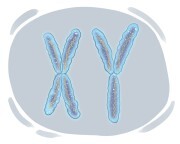
chromosome

a very small threadlike structure in a living organism that carries the genes and genetic information

Close
Sign in
chloroplast

a plant cell organelle that uses sunlight to produce energy and make glucose through photosynthesis

Ex: Chloroplasts are the green structures in plant cells where photosynthesis, the process of converting light into energy, takes place. 
Close
Sign in
cytoplasm
cytoplasm
[noun]

the gel-like, semifluid substance within a cell that surrounds the organelles, providing a medium for cellular activities, including metabolism, transport of substances, and support for cellular structures

Ex: Cytoplasm fills the interior of a cell, serving as a supportive medium for cellular structures and activities. 
Close
Sign in
cytoplast
cytoplast
[noun]

a cell that has had its nucleus removed or the cellular material excluding the nucleus

Ex: The scientist carefully examined the cytoplast under the microscope to analyze its cellular structure. 
Close
Sign in
cytoskeleton

a network of protein fibers in a cell that gives it shape, supports its structure, and aids in movement

Ex: The cytoskeleton acts like a cell's internal scaffolding, maintaining its shape and structural integrity. 
Close
Sign in
nucleotide

a molecule that forms the basic building block of DNA and RNA, consisting of a sugar, a phosphate group, and a nitrogenous base

Ex: The sequence of nucleotides in DNA determines genetic information. 
Close
Sign in
genome
genome
[noun]

the complete set of genetic material of any living thing

Ex: The human genome consists of approximately 3 billion base pairs of DNA, encoding all the information needed for human development and function. 
Close
Sign in
polypeptide

a linear chain of amino acids linked by peptide bonds, forming a primary structure of a protein

Ex: Insulin is a polypeptide hormone that regulates blood sugar levels. 
Close
Sign in
organelle
organelle
[noun]

a specialized, membrane-bound structure within a cell that performs specific functions, contributing to the cell's overall structure and function

Ex: The nucleus, an organelle housing genetic material, regulates cell activities. 
Close
Sign in
vacuole
vacuole
[noun]

a cell organelle in plants, fungi, and some protists that stores nutrients, manages waste, and helps maintain cell pressure

Ex: Vacuoles in plant cells may contain pigments, giving flowers and fruits their vibrant colors. 
Close
Sign in
centriole
centriole
[noun]

a pair of small cylinders near the nucleus in animal cells, organizing cell division by forming the mitotic spindle

Ex: Centrioles play a crucial role in animal cell division, forming the mitotic spindle. 
Close
Sign in
telomere
telomere
[noun]

a repetitive DNA sequence at the end of a linear chromosome, protecting it from deterioration during replication, and playing a role in cellular aging and cancer development

Ex: Think of telomeres as the plastic tips on the ends of a phone charger cable that keep it from wearing out. 
Close
Sign in
histone
histone
[noun]

a type of protein that plays a structural role in the packaging of DNA into nucleosomes, fundamental units of chromatin

Ex: Histones act as spools around which DNA winds, forming compact structures called nucleosomes. 
Close
Sign in
phenotype
phenotype
[noun]

the observable physical and behavioral characteristics of an organism, resulting from the interaction of its genotype (genetic makeup) with the environment

Ex: Eye color, hair texture, and height are examples of human phenotypes. 
Close
Sign in
homeostasis

the tendency of an organism or cell to regulate its internal environment and maintain a stable, balanced condition, despite external changes

Ex: Sweating to cool down the body temperature is an example of homeostasis in response to external heat. 
Close
Sign in
translation

the process by which the information encoded in the sequence of nucleotides in DNA is converted into a functional product, typically a protein

Ex: In the first step of translation, messenger RNA (mRNA) is synthesized based on the DNA template. 
Close
Sign in
transcription

the process by which a segment of DNA is used as a template to synthesize a complementary RNA molecule

Ex: Transcription initiates when RNA polymerase binds to the DNA at the promoter region. 
Close
Sign in
replication

the process by which an organism duplicates its genetic material, particularly the copying of DNA in cell division

Ex: DNA replication is a fundamental process that occurs before cell division, ensuring genetic continuity. 
Close
Sign in
heterozygote

an individual organism or cell with two different alleles at a specific gene locus, having inherited different genetic information from each parent

Ex: An organism with one allele for brown eyes and one for blue eyes is a heterozygote for the eye color gene. 
Close
Sign in
homozygote

an individual organism or cell with two identical alleles at a specific gene locus, having inherited the same genetic information from both parents

Ex: An organism with two alleles for brown eyes is a homozygote for the eye color gene. 
Close
Sign in
codon
codon
[noun]

a sequence of three adjacent nucleotides in mRNA that codes for a specific amino acid during protein synthesis or serves as a start or stop signal in the translation process

Ex: AUG is the start codon, initiating the translation process in protein synthesis. 
Close
Sign in
symbiosis
symbiosis
[noun]

a close and often long-term interaction between two different species living in close physical association, typically to the advantage of both

Ex: The relationship between cleaner fish and larger fish, where the cleaner fish remove parasites, represents a mutualistic symbiosis. 
Close
Sign in
ameba
ameba
[noun]

a single-celled, microscopic organism belonging to the group of protozoa, characterized by a flexible cell membrane and the absence of a fixed body shape

Ex: Amebas are commonly found in various aquatic environments, including freshwater ponds and streams. 
Close
Sign in
capsid
capsid
[noun]

the protein coat of a virus that encases its genetic material and helps it attach to and enter host cells during infection

Ex: The capsid of a virus provides structural integrity, enclosing and protecting its genetic material. 
Close
Sign in
chlorophyll

a green pigment found in all green plants and cyanobacteria that is responsible for the absorption of the sunlight needed for the photosynthesis process

Ex: Chlorophyll is responsible for the green color of plants, reflecting its role in photosynthesis. 
Close
Sign in
eukaryote
eukaryote
[noun]

a type of living thing with cells that have a nucleus and other structures enclosed in membranes, like plants, animals, fungi, and some microorganisms
Ex: Plants, with their roots, stems, and leaves, are examples of eukaryotes. 
Close
Sign in
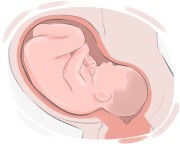
fetus
fetus
[noun]

an offspring of a human or animal that is not born yet, particularly a human aged more than eight weeks after conception

Ex: The ultrasound showed that the fetus was developing normally. 
Close
Sign in
ovum
ovum
[noun]

a mature, female reproductive cell or egg, typically larger than a sperm cell, capable of fusing with a sperm cell during fertilization to form a zygote

Ex: Human females typically release one ovum during each menstrual cycle. 
Close
Sign in
pepsin
pepsin
[noun]

an enzyme produced in the stomach that helps in the digestion of proteins by breaking them down into smaller peptides

Ex: Pepsin is an enzyme produced in the stomach that helps break down proteins into smaller peptides. 
Close
Sign in
adenosine triphosphate

a molecule that carries energy within cells, composed of adenine, a ribose sugar, and three phosphate groups

Ex: Adenosine triphosphate is often referred to as the "energy currency" of cells due to its role in energy transfer. 
Close
Sign in
prokaryote

a simple, single-celled organism that lacks a true nucleus and membrane-bound organelles, such as bacteria and archaea

Ex: Bacteria, such as Escherichia coli (E. coli), are common examples of prokaryotes. 
Close
Sign in
LanGeek
Download LanGeek app
