

pattern

ACT Bilim - Kimyasal Maddeler ve Bileşikler

Burada, ACT'lerinizde başarılı olmanıza yardımcı olacak "tampon", "çözünen", "halojen" gibi kimyasal maddeler ve bileşiklerle ilgili bazı İngilizce kelimeler öğreneceksiniz.

Gözden Geçir

Flash kartlar

Yazım

Quiz

Öğrenmeye başla
ACT Vocabulary for Science
halogen
halogen
[isim]

a type of chemical element found in Group 17 of the periodic table, known for being highly reactive and commonly used in disinfectants and lights

halojen, halojen element

halojen, halojen element

Ex: Chlorine is a halogen commonly used in water treatment for its disinfectant properties. 
polythene
polythene
[isim]

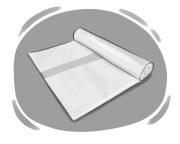
a durable plastic material used for packaging, bags, and various applications

polietilen

polietilen

Ex: Supermarket shopping bags are often made of polythene material. 
polystyrene

a lightweight and versatile synthetic polymer used in packaging, insulation, and disposable products

polistiren, strafor

polistiren, strafor

Ex: The food industry favors polystyrene containers for their excellent insulation and cost-effectiveness. 
phosphorus

a chemical element that is a vital component of DNA and bone structure, found in dairy products, meat, and nuts, playing a key role in cellular energy transfer

fosfor

fosfor

Ex: Eating meat regularly ensures an intake of phosphorus, vital for tissue repair. 
acetone
acetone
[isim]

a colorless, volatile liquid solvent commonly used for removing nail polish and other substances from surfaces

aseton

aseton

alginate
alginate
[isim]

a naturally occurring polysaccharide derived from brown seaweed, commonly used in various industries for its thickening, gelling, and stabilizing properties

aljinat, deniz yosunu türevi polisakkarit

aljinat, deniz yosunu türevi polisakkarit

silicate
silicate
[isim]

a compound containing silicon and oxygen atoms, often forming minerals or glasses, with diverse applications in industry and nature

silikat, silisyum bileşiği

silikat, silisyum bileşiği

Ex: Quartz is a common silicate mineral found in many types of rocks. 
graphene
graphene
[isim]

a single layer of carbon atoms arranged in a two-dimensional honeycomb lattice, known for its exceptional strength, electrical conductivity, and flexibility

grafen, iki boyutlu petek örgüsü şeklinde düzenlenmiş tek bir karbon atomu tabakası

grafen, iki boyutlu petek örgüsü şeklinde düzenlenmiş tek bir karbon atomu tabakası

malic acid

a naturally occurring organic compound found in many fruits that contributes to their sour taste

malik asit

malik asit

citric acid

a weak organic acid found naturally in citrus fruits like lemons, oranges, and limes, commonly used as a food additive for flavoring and preserving

sitrik asit, limon asidi

sitrik asit, limon asidi

Ex: Lemon juice contains citric acid, giving it its characteristic tart flavor. 
phosphate
phosphate
[isim]

a chemical compound that contains phosphorus and oxygen atoms, commonly found in salts or esters of phosphoric acid, important for biological processes and industrial applications

fosfat, fosfor ve oksijen atomları içeren

fosfat, fosfor ve oksijen atomları içeren

Ex: Plants absorb phosphates from the soil to promote healthy root development and flower formation. 
charm quark

a type of elementary particle that is one of the six types, or flavors, of quarks that has an electric charge of +2/3 and participates in strong and electromagnetic interactions

çekici kuark, cazibe kuarkı

çekici kuark, cazibe kuarkı

Ex: Physicists at the Large Hadron Collider study collisions to observe the behavior of charm quarks in high-energy experiments. 
disinfectant

something that has specific chemicals or causes a chemical reaction that destroys harmful microorganisms such as bacteria

dezenfektan

dezenfektan

bicarbonate

a chemical compound important for regulating pH balance, found in baking soda and crucial for bodily functions

bikarbonat, hidrojenkarbonat

bikarbonat, hidrojenkarbonat

Ex: Baking soda contains bicarbonate, which helps baked goods rise when mixed with acidic ingredients. 
solute
solute
[isim]

a substance that is dissolved in a solvent, resulting in a solution

çözünen, çözülmüş madde

çözünen, çözülmüş madde

Ex: In saltwater, salt (NaCl) is the solute that dissolves in water, the solvent. 
saturated
saturated
[sıfat]

having absorbed as much of a substance as possible at a given temperature, reaching its maximum concentration

doymuş, aşırı doymuş

doymuş, aşırı doymuş

Ex: The saturated sugar solution had reached its limit and could not dissolve any more sugar crystals. 
ethereal
ethereal
[sıfat]

(of a solution) containing volatile or highly flammable substances, such as diethyl ether

eterik, uçucu

eterik, uçucu

Ex: The reaction mixture was distilled under vacuum to remove the ethereal solvent. 
inorganic
inorganic
[sıfat]

describing chemical compounds that do not contain carbon-hydrogen bonds and are typically derived from minerals or non-living matter

inorganik

inorganik

Ex: Sodium chloride (table salt) is an inorganic compound widely used in cooking and food preservation. 
solvent
solvent
[isim]

a liquid that is capable of dissolving another substance

çözücü

çözücü

Ex: Ethanol is commonly used as a solvent to dissolve oils and perfume essences for the production of aftershaves and colognes. 
alkaline
alkaline
[sıfat]

refering to substances that have a pH greater than 7, indicating a basic or non-acidic nature

alkali

alkali

Ex: Soap is often alkaline, making it effective for cleaning grease and oils. 
saline
saline
[sıfat]

containing or relating to salt

tuzlu

tuzlu

Ex: The doctor administered a saline solution to rehydrate the patient. 
reactant
reactant
[isim]

a substance that takes part in and undergoes a chemical reaction, leading to the formation of new products

reaktif

reaktif

Ex: In photosynthesis, carbon dioxide (CO₂) and water (H₂O) are the reactants that, in the presence of sunlight, produce glucose (C₆H₁₂O₆) and oxygen (O₂). 
catalyst
catalyst
[isim]

(chemistry) a substance that causes a chemical reaction to happen at a faster rate without undergoing any chemical change itself

katalizör

katalizör

Ex: Enzymes are naturally occurring biological catalysts that allow complex metabolic reactions to proceed efficiently in living cells. 
buffer
buffer
[isim]

a solution containing a weak acid and its conjugate base, or a weak base and its conjugate acid, which maintains a stable pH when small amounts of acid or base are added

tampon, tampon çözelti

tampon, tampon çözelti

Ex: The buffer solution in the lab kept the pH steady even after the addition of a strong acid. 
reagent
reagent
[isim]

a substance or compound used in a chemical reaction to detect, examine, or produce other substances

reaktif

reaktif

Ex: The chemist carefully measured the reagent before adding it to the reaction flask. 
noble gas
noble gas
[isim]

any of the elements in Group 18 of the periodic table, including helium, neon, argon, krypton, xenon, and radon, characterized by their inert nature and stable electron configurations

soy gaz, asal gaz

soy gaz, asal gaz

Ex: Helium, a noble gas, is known for its low density and is often used in balloons to make them float. 
inert gas
inert gas
[isim]

a group of non-reactive gases that typically exhibit low chemical reactivity due to their stable electron configurations

inert gaz, soylu gaz

inert gaz, soylu gaz

Ex: Inert gases like helium and argon are commonly used in welding to shield the molten metal from reacting with oxygen in the air. 
LanGeek
LanGeek uygulamasını indir